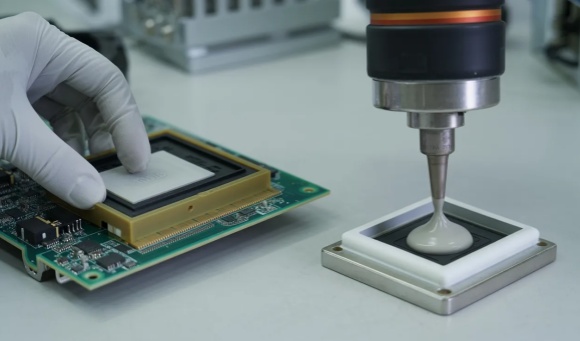
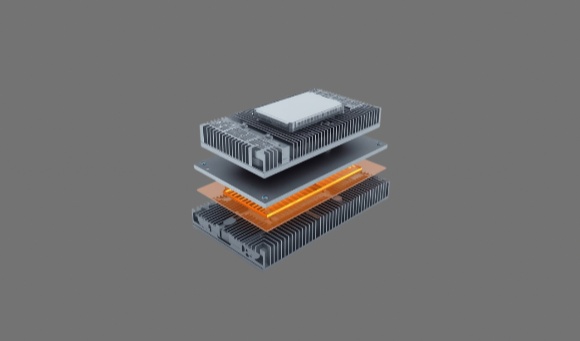
Welcome to Taxo Tape
Phase Change Thermal Interface Materials (PCM) | 0.95–7.5 W/m·K
- Phase change temperature 50–60 °C — solid during handling, flows in operation
- Thermal conductivity options from 0.95 to 7.5 W/m·K
- Thin bond lines from 0.127 mm for flat, closely mating interfaces
- Low thermal resistance under low clamping pressure
- Naturally tacky — no adhesive or heat sink preheating required
- Polyimide-laminated version available for electrical isolation
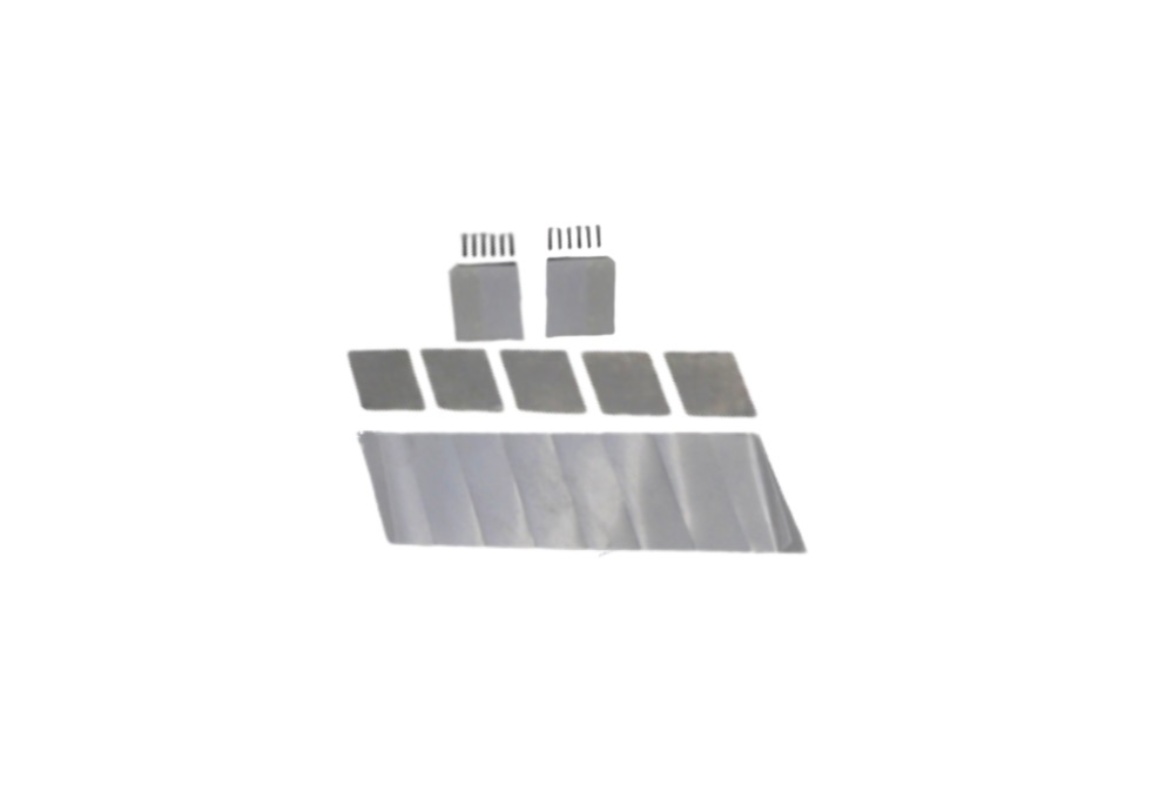
- Supplied in rolls with liner for die-cutting or automated placement
Phase Change Thermal Interface Materials for Power Electronics
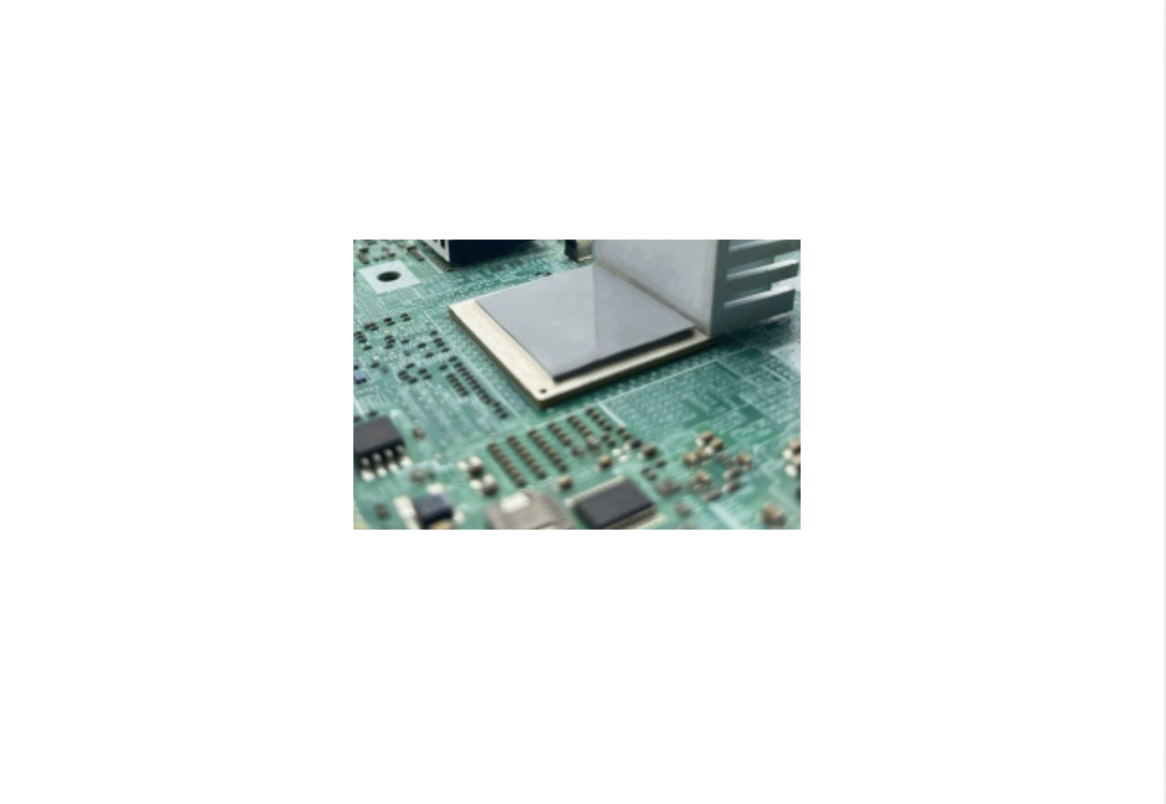
TaxoTape® TX-TPCM series phase change materials are thin thermal interface films for flat, closely mating surfaces, such as IGBT and power module baseplates, processors, and other components mounted directly to a heat sink. They handle like a pad during assembly and perform more like a grease once the device is running.
The series covers thermal conductivity from 0.95 to 7.5 W/m·K, with a phase change temperature of 50–60 °C and thicknesses starting at 0.127 mm. The material is supplied in rolls with a liner, ready for die-cutting or automated placement. A polyimide-laminated version is available where the interface also needs electrical isolation.
How Phase Change TIMs Work
At room temperature, TX-TPCM is a dry, solid film. It can be placed precisely, repositioned during assembly, and stored without the mess or settling issues of a paste.
Once the interface temperature rises above the phase change point, the material softens and flows under clamping pressure. It wets both mating surfaces, pushes trapped air out of surface roughness, and thins down to a very narrow bond line. When the device cools, the material becomes solid again but keeps the shape it formed in operation, so the interface stays filled.
The surface is naturally tacky, so no extra adhesive layer is needed and the heat sink does not have to be preheated during installation.
One practical point: full wet-out happens only after the interface has reached the phase change temperature at least once. Thermal resistance measured before the first heat cycle will be higher than in steady operation, so test results should be taken after a warm-up or burn-in step.
Why Engineers Choose PCM for IGBT and Power Modules
Less pump-out than thermal grease. In power modules, repeated thermal cycling makes the baseplate and heat sink flex slightly. Over time this can push grease out of the interface, leaving dry spots and rising junction temperatures. PCM is solid below its phase change point and far more viscous than grease above it, so it tends to stay in place much better over long service life. For a detailed comparison, see phase change materials vs. thermal grease.
Thinner bond lines than thermal pads. Thermal pads are designed to absorb gaps and tolerances, which means a thicker layer and higher thermal resistance on surfaces that are already flat. On a flat module baseplate, PCM reaches a much thinner bond line under the same clamping force. We cover this trade-off in phase change vs. thermal pads: which performs better.
Cleaner, repeatable assembly. There is no dispensing, stencil printing, or wiping. Each die-cut part has a defined thickness, so every unit gets the same amount of material, which matters in high-volume production lines.
When PCM is not the right choice. PCM is built for thin interfaces. If the gap between component and heat sink is large or varies with tolerance stack-up, a compressible material works better, such as our silicone thermal pads or dispensable thermal gap fillers. For a broader look at material choice in power conversion equipment, see our guide to selecting thermal interface materials for power inverter designs.
TX-TPCM Series Specifications
| Model | Color | Thickness (mm) | Thermal Conductivity (W/m·K) |
|---|---|---|---|
| TX-TPCM-75 | Gray | 0.127 – 0.305 | 7.5 |
| TX-TPCM-50 | Gray | 0.127 – 0.305 | 5.0 |
| TX-TPCM-25 | Gray | 0.127 – 0.254 | 2.5 |
| TX-TPCM-16 | Light Amber | 0.127 – 0.203 | 1.6 |
| TX-TPCM-095 | Pink | 0.127 – 0.254 | 0.95 |
Phase change temperature: 50 °C – 60 °C
Recommended operating temperature: -45 °C to 125 °C
Values are typical. Contact us for detailed technical data or to discuss which grade fits your interface.
Applications
TX-TPCM phase change materials are used wherever a thin, stable thermal interface is needed between a flat component surface and a heat sink:
IGBT power modules in inverters, UPS systems, and motor drives
Power modules in industrial power electronics
Servers and data processing equipment
CPUs, GPUs, and high-frequency microprocessors
Laptop and desktop computer systems
Memory modules and cache chips
LED lighting assemblies
Semiconductor thermal test fixtures
Formats and Customization
TX-TPCM is supplied in rolls with a release liner. It can be die-cut to the exact footprint of a module baseplate or component, kiss-cut on a liner for pick-and-place, or supplied with a polyimide layer for applications that require electrical isolation. Thickness and grade can be matched to surface flatness and heat load. Learn more about our custom die-cutting and material matching services.
Frequently Asked Questions
Should I use PCM or thermal grease on an IGBT module?
Both give thin bond lines. Grease is easy to apply and low cost, but it can pump out under long-term thermal cycling. PCM offers more stable performance over service life and cleaner assembly, which is why it is often preferred for power modules expected to run for many years.
Is TX-TPCM electrically insulating?
For interfaces that need electrical isolation, specify the polyimide-laminated version. Many IGBT modules already have an internally insulated baseplate, in which case the TIM only needs to carry heat. Confirm the isolation requirement with your module datasheet before choosing a grade.
Does my device need to reach the phase change temperature?
Yes. The interface must exceed 50–60 °C at least once for the material to flow and wet out fully. Most power modules reach this in normal operation. If your interface never gets that warm, a grease or gel may be a better fit.
Which thickness should I choose?
Generally the thinnest option that can still cover the flatness and roughness of both surfaces. If you can share the surface flatness and mounting pressure, we can recommend a starting grade and thickness.
Ready to test PCM in your design? Request samples or a technical consultation. Tell us your module type, interface area, and operating temperature, and we will suggest suitable grades.