Welcome to Taxo Tape
What Is Thermally Conductive Tape? A Quick Guide
Introduction
Most bonding methods and most thermal interface materials solve one problem at a time — a fastener holds a part in place, a thermal pad conducts heat away from it. Thermally conductive tape does both jobs at once, which is exactly why it shows up so often in compact assemblies where there isn't room for screws or clips, or where a clean, fastener-free assembly process matters.
This guide covers what thermally conductive tape actually is, how it works, and where it fits relative to other TIM types — a starting point before diving into the specific chemistry comparisons and selection criteria covered in more depth elsewhere.
What Is Thermally Conductive Tape?
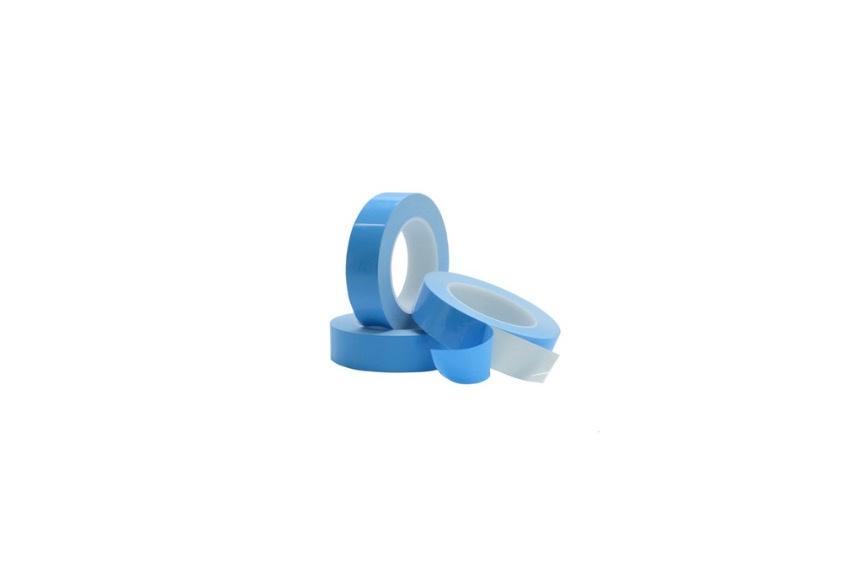
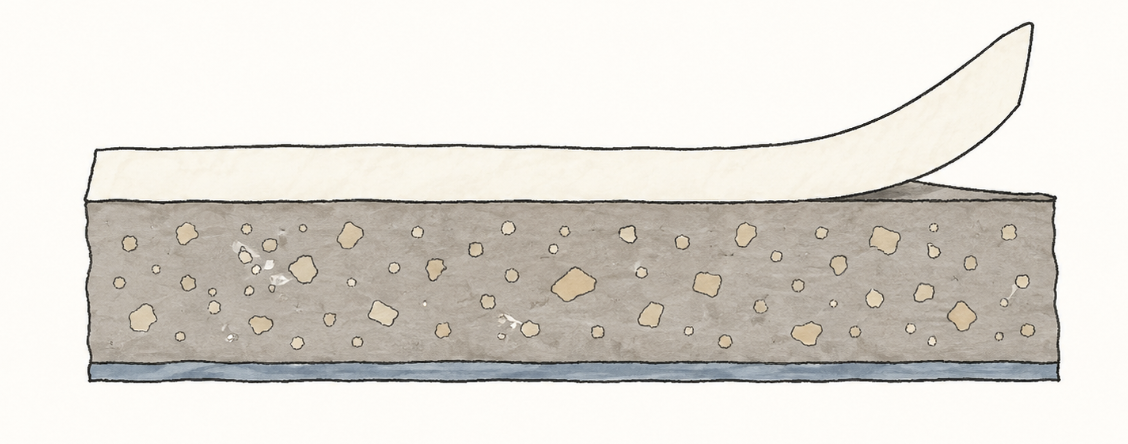
Thermally conductive tape is a double-sided adhesive material engineered to bond components together while conducting heat through the adhesive layer. Unlike standard adhesive tape, it contains thermally conductive fillers — ceramics like alumina or boron nitride, or metal oxides — dispersed through the adhesive to create a heat-conductive path from one bonded surface to the other.
It serves two functions simultaneously: bonding, holding electronic parts securely in place without mechanical fasteners, and heat transfer, allowing heat to flow through the bonded interface rather than being trapped by it. That dual function is what distinguishes it from other TIM types, which typically handle one job or the other but not both.
How Does It Improve Heat Dissipation?
Placed between a heat-generating component — an IC, MOSFET, or LED — and a heat sink, the tape fills the microscopic air gaps that would otherwise act as a thermal barrier at the interface. Replacing those air gaps with a conductive medium reduces thermal resistance and allows heat to move more efficiently from the component to whatever is meant to carry it away.
A few things make this work in practice. The soft adhesive layer conforms to surface irregularities, ensuring more complete contact than a rigid material would achieve. Ceramic fillers provide a consistent conductive path under assembly pressure. And unlike grease, which can migrate over time, tape adhesion tends to remain stable through thermal cycling and humidity exposure — meaning the contact quality established at assembly doesn't degrade as readily. Together, these effects are what translate into lower junction temperatures and more stable long-term performance, rather than any single property working in isolation.
Key Advantages Over Other TIM Types
Compared to thermal grease or epoxy, tape offers a cleaner assembly process — no curing, dispensing, or mixing required, which simplifies production and reduces the process variables that can introduce inconsistency. It's also more reworkable than a permanent adhesive: parts can be repositioned or replaced during assembly more easily than with cured epoxy or aggressive structural adhesives.
Beyond the assembly process itself, tape provides mechanical support without additional hardware — no screws or clips needed — and is available in both electrically conductive and insulating grades depending on the application's isolation requirements. Thickness, roll size, and carrier film (PET, polyimide, and others) are all customizable, which gives design flexibility that a fixed-format material like a pre-cut pad doesn't offer as readily. These combined advantages are a large part of why tape sees particularly strong adoption in mass production and automated assembly environments.
The Main Types at a Glance
Several tape formulations are available depending on performance requirements. Acrylic-based tape offers strong, durable adhesion with moderate thermal conductivity, making it a common choice for general electronics and LED modules. Silicone-based tape provides better high-temperature resistance and stability, favored in power devices and automotive electronics. Ceramic-filled tape delivers enhanced conductivity along with electrical insulation, common in inverters and battery packs. Graphite-backed tape excels at in-plane heat spreading, typically used in compact consumer electronics like smartphones.
For a detailed comparison of the two most common tape chemistries — including specific conductivity ranges, adhesion trade-offs, and selection guidance — see Acrylic vs. Silicone Thermal Tapes: Which One to Choose?
Typical Applications
Thermally conductive tape shows up across a range of industries that need compact, reliable heat dissipation. LED lighting modules use it to attach LED boards to aluminum substrates, keeping thermal resistance low at the board-to-heatsink interface. Power supplies and inverters rely on it to bond MOSFETs, diodes, and power ICs to heat sinks, often where automated assembly favors tape over dispensed materials. EV battery modules use tape for insulation and heat spreading between cells, particularly where a combination of bonding and thermal function simplifies module construction. Consumer electronics — smartphones, tablets, laptops — use thin tape formats where space for other TIM types is limited. Telecom equipment, including base stations and optical modules, uses tape to manage heat in densely packed enclosures.
Performance Considerations
A handful of parameters matter most when evaluating a thermally conductive tape for a specific application, and they're worth weighing in a particular order rather than all at once. Adhesion strength and electrical requirements — whether the application needs conductive or insulating properties — should generally be confirmed first, since these determine whether a tape is even a viable candidate before thermal performance comes into play. From there, thermal conductivity and thermal resistance narrow the field among viable candidates, with thermal resistance being the more directly useful number since it accounts for the tape's actual thickness rather than just the bulk material property. Breakdown voltage matters specifically where electrical isolation is required in high-voltage circuits, and operating temperature range — commonly -40°C to +150°C across standard formulations — needs to cover your application's full thermal envelope, not just its typical operating condition.
Common Selection Mistakes
Choosing based on conductivity alone. A tape with strong thermal conductivity but adhesion that isn't well matched to your specific substrate will fail mechanically before it ever underperforms thermally — adhesion and thermal performance need to be evaluated together, not conductivity in isolation.
Overlooking the carrier film. The carrier layer — PET, polyimide, or none at all — affects dimensional stability, temperature resistance, and how the tape handles during automated placement. A tape that performs well thermally can still cause assembly issues if the carrier isn't suited to your production process or handling requirements.
When to Choose Tape vs. Other TIM Types
Tape is generally the right choice when an application needs both bonding and thermal conductivity in a single material — attaching a component with no mechanical fasteners available, or where a clean, dispensing-free assembly process is a priority. It also tends to fit well in high-volume automated production where consistent, pre-formatted material simplifies the line.
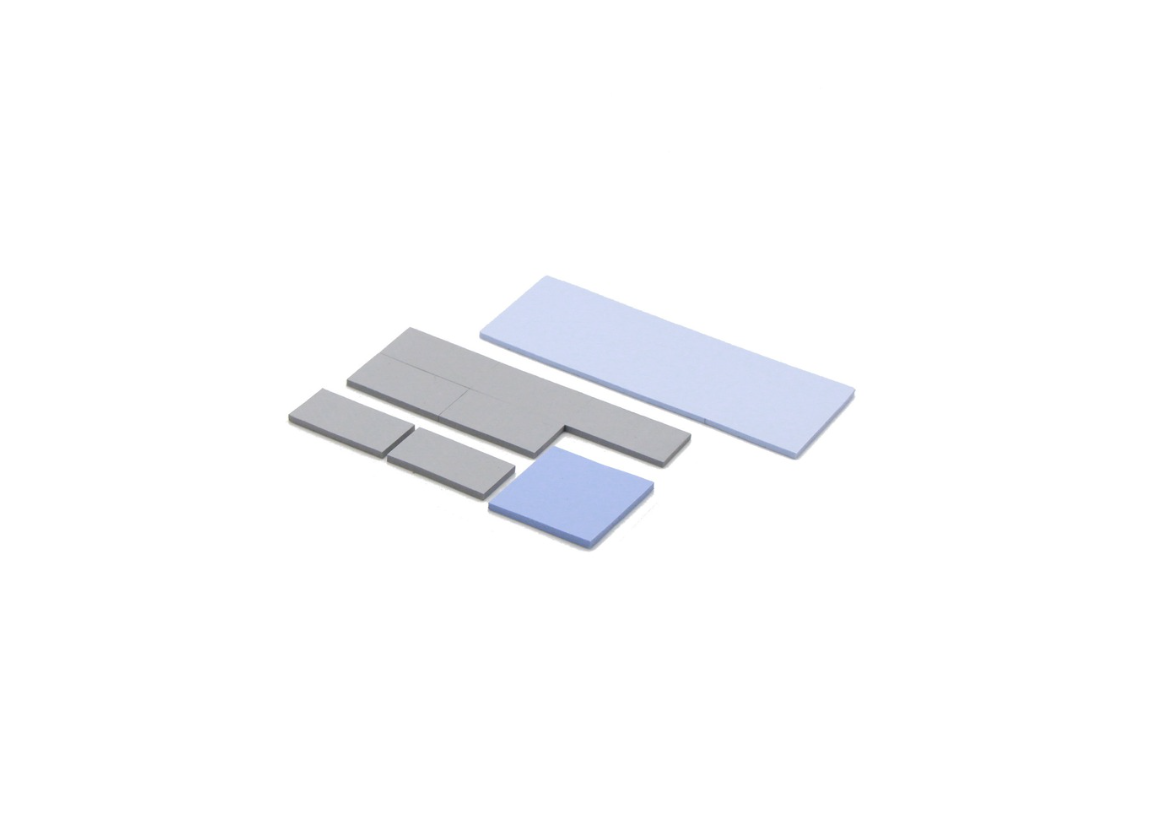
Other TIM types make more sense in different situations. Where a large or uneven gap needs filling, a thermal pad or gap filler typically outperforms tape, since tape formats are generally thinner and less accommodating of surface irregularity. Where mechanical bonding isn't needed at all and only heat transfer matters, grease or a thermal gel can deliver lower thermal resistance at a thinner bond line than tape achieves. Tape's advantage is specifically in applications where the dual bonding-and-conducting function offsets the assembly benefits of a purpose-built material for either function alone.
FAQ
Q: Can thermally conductive tape replace thermal grease?
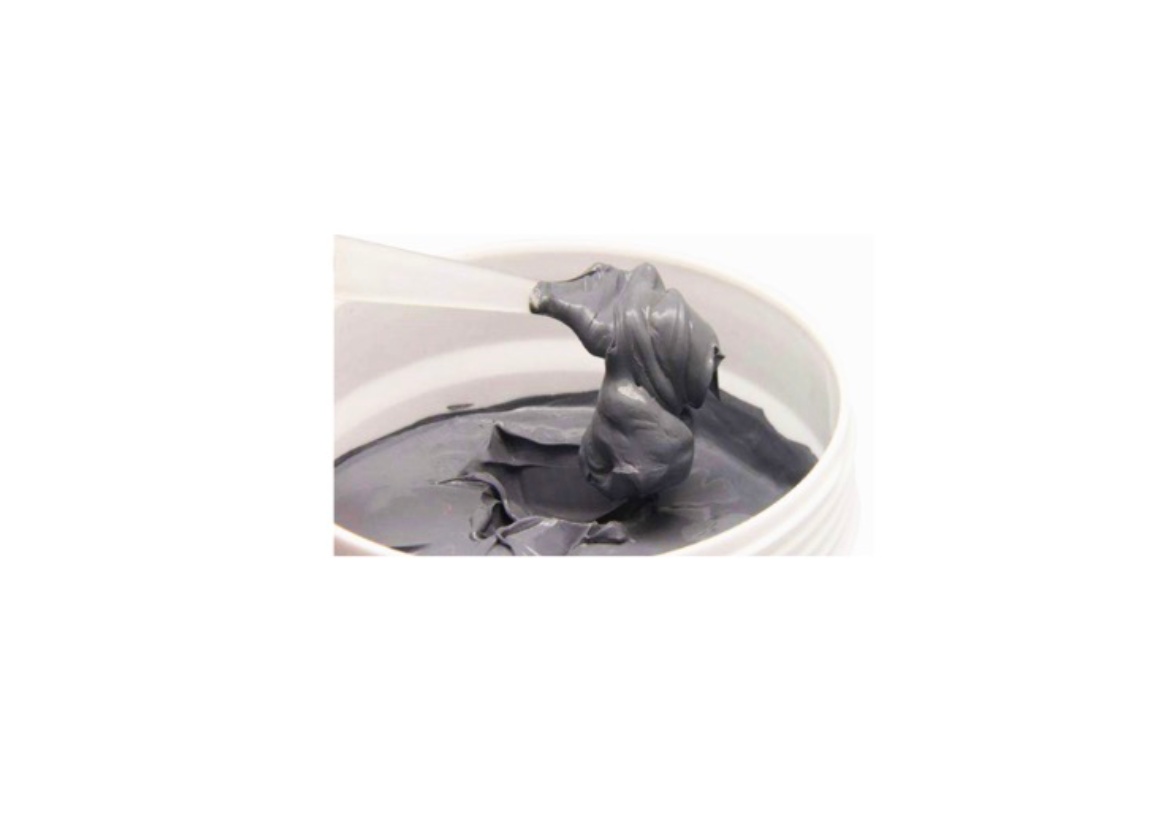
In some applications, yes — particularly where tape's combined bonding and thermal function simplifies assembly compared to grease plus a separate mechanical fastening method. However, tape generally offers less gap-filling capability and can have lower thermal conductivity than high-performance grease, so the substitution depends on your specific gap size, thermal budget, and whether mechanical bonding is actually needed.
Q: What temperature range can thermally conductive tape handle?
Most standard formulations operate reliably from about -40°C to +150°C, though the exact range depends on the specific adhesive chemistry and carrier film. Silicone-based tapes generally offer better high-temperature stability than acrylic-based ones — confirm the specific rated range against your application's actual operating envelope before specifying.
Q: Is thermally conductive tape reworkable?
It's more reworkable than cured epoxy or aggressive structural adhesives, allowing components to be repositioned during assembly more readily. It's still an adhesive bond, though, so rework isn't as simple as with a mechanically fastened or non-bonding TIM like a thermal pad — factor this into your decision if frequent rework or disassembly is expected.
Conclusion
Thermally conductive tape earns its place in modern electronics assembly by solving two problems — bonding and heat dissipation — with a single, easy-to-apply material. That dual function, combined with clean assembly and design flexibility in thickness and carrier options, makes it a practical choice across LED lighting, power electronics, battery modules, and compact consumer devices.
Choosing the right formulation comes down to matching adhesion, electrical requirements, and thermal performance to your specific application — for a closer look at how the two most common tape chemistries compare, see Acrylic vs. Silicone Thermal Tapes: Which One to Choose?
Contact TaxoTape® for sample evaluation or technical recommendations tailored to your application →