Welcome to Taxo Tape
What is Thermal Interface Material?
Introduction
In today’s world of compact, high-performance electronics, efficient heat management is no longer optional — it’s essential. Whether you’re designing LED lighting systems, power modules, or automotive control units, thermal control directly impacts the reliability, lifespan, and performance of your devices.
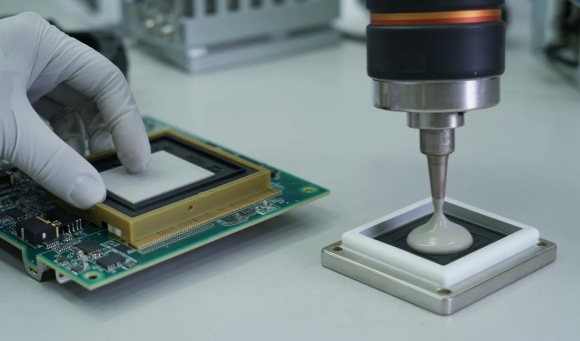
This is the point where Thermal Interface Materials (TIMs) become essential. These materials are engineered to fill microscopic air gaps between heat-generating components and heat sinks or enclosures, ensuring efficient thermal transfer and stable operation over time.
With electronics becoming more compact and high-powered, efficiently controlling heat has become a greater challenge. Excessive heat can lead to early component failure, safety hazards, and unexpected downtime — especially in applications like LED modules where performance and durability are tightly linked to thermal stability.
In this article, we’ll explore what thermal interface materials are, why they matter, and how to choose the right solution for your specific application.
What is a Thermal Interface Material (TIM)?
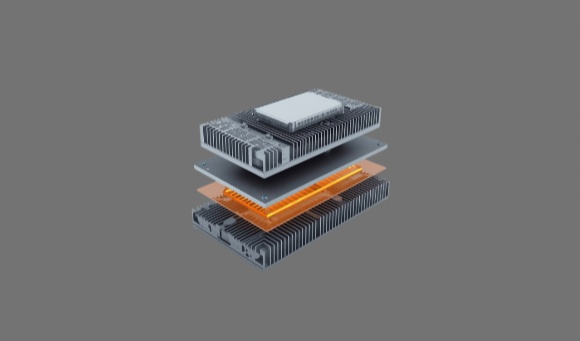
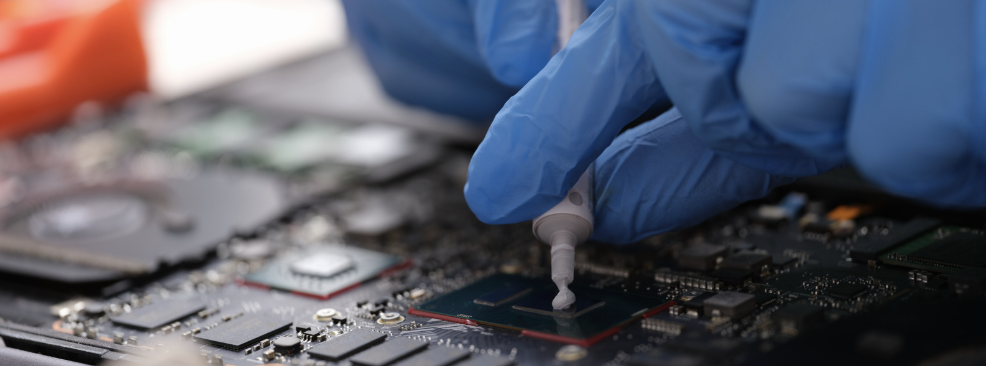
A Thermal Interface Material (TIM) is a specially engineered substance placed between two surfaces—typically a heat-generating component like a semiconductor chip and a heat-dissipating part such as a heatsink or metal casing. Its core function is to enhance thermal conductivity by eliminating air gaps and surface irregularities, which would otherwise act as insulators and reduce heat transfer efficiency.
What seems like a smooth surface can, under closer inspection, reveal countless microscopic gaps and inconsistencies. When these surfaces are pressed together, trapped air pockets create thermal resistance, preventing effective heat dissipation. TIMs solve this issue by conforming to both surfaces, filling those micro-gaps with a material that conducts heat far better than air.
TIMs are available in multiple formats tailored to meet diverse assembly methods and performance requirements, such as:
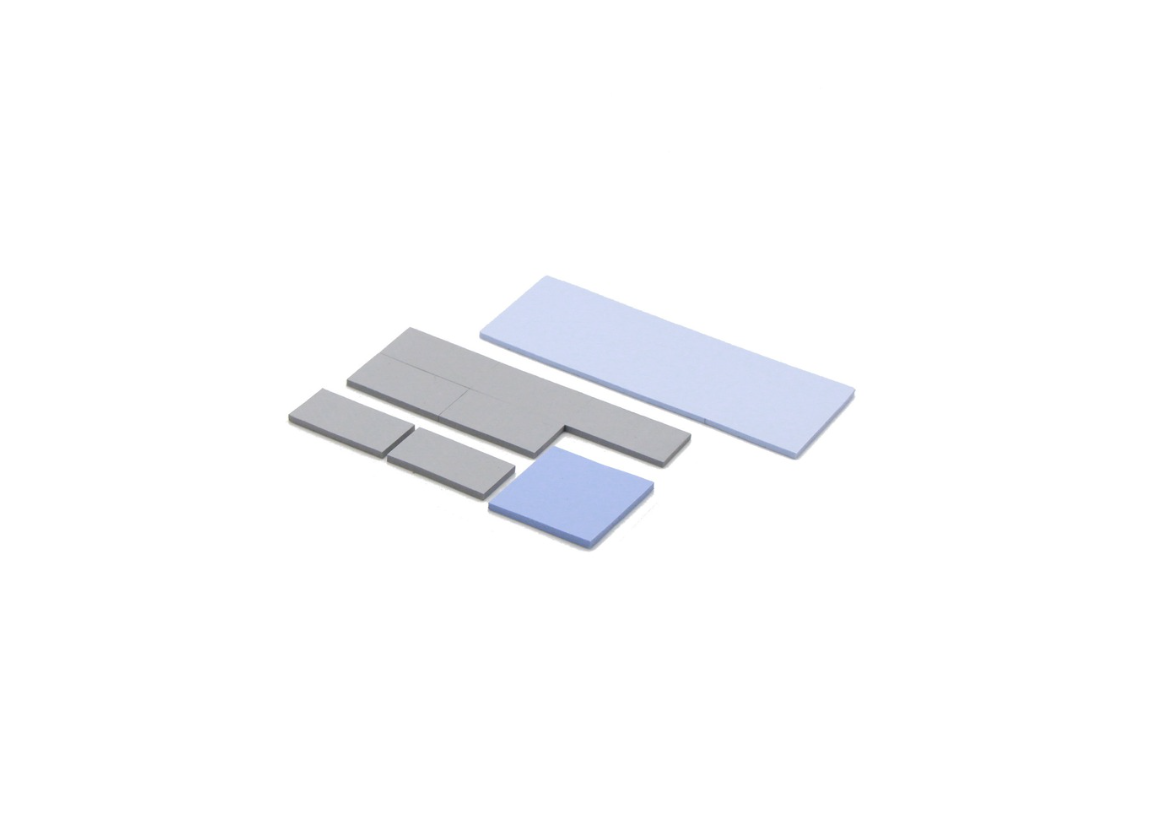
Silicone Thermal Pads (Gap Fillers)
Soft and compressible, ideal for uneven surfaces or larger gaps.
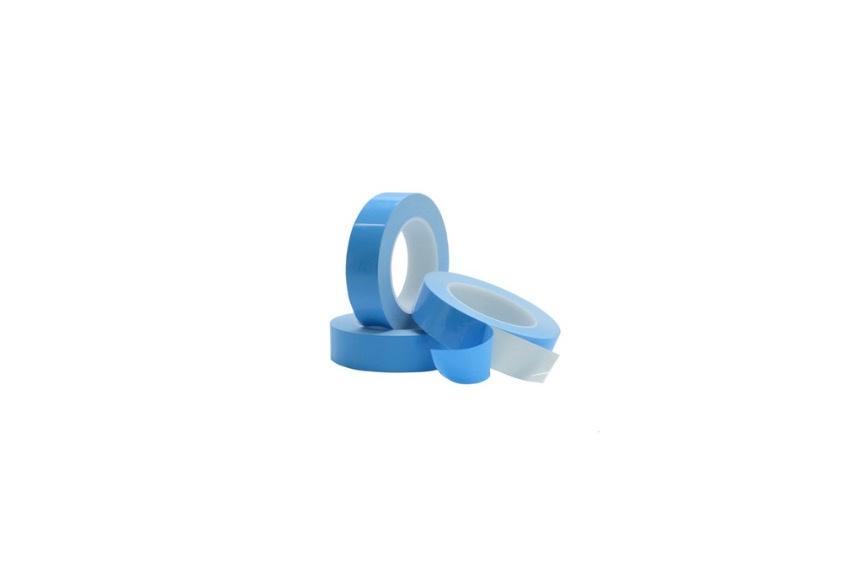
Thermal Conductive Tapes
Dual-function materials that offer both thermal conductivity and adhesive strength, simplifying installation.
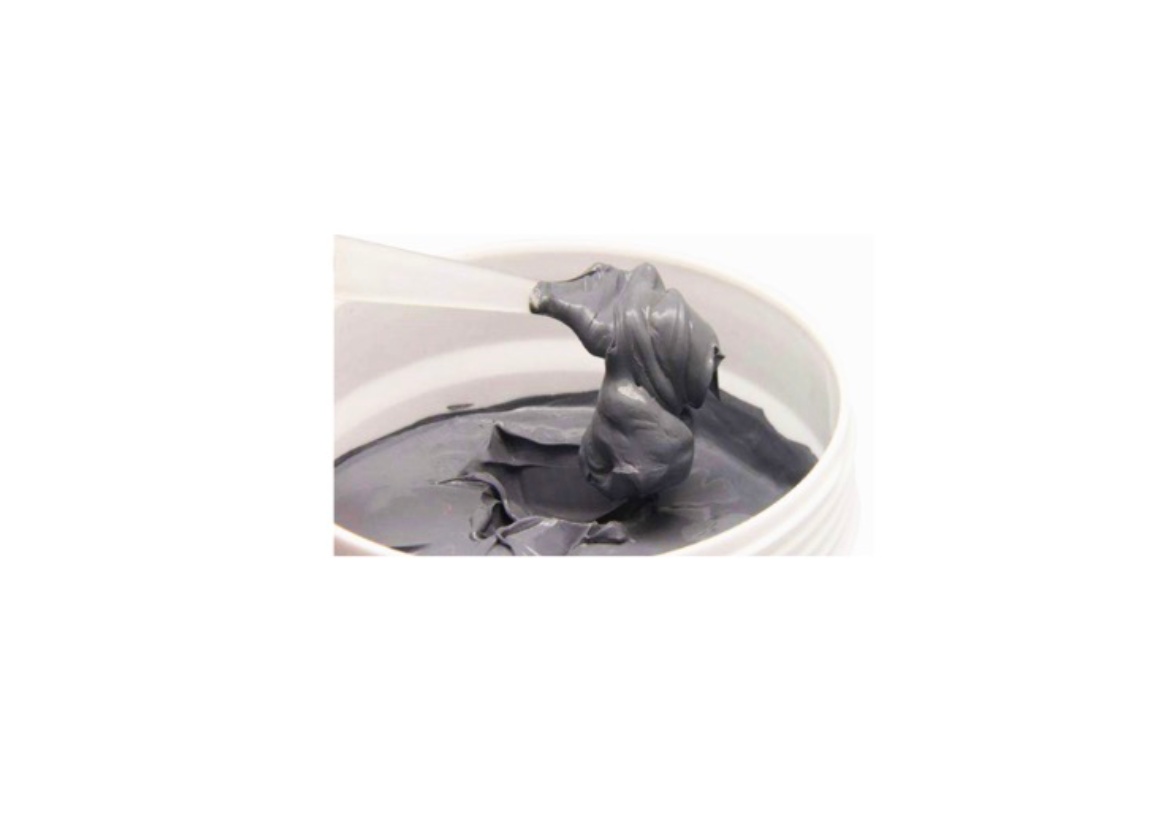
Thermal Grease or Paste
Viscous materials with excellent thermal performance, often used where minimal bond line thickness is needed.
Thermal Gels
Flowable but more stable than pastes, suitable for automated dispensing in high-volume applications.
Choosing the right TIM type depends on your specific application requirements — from ease of assembly to long-term thermal stability and electrical insulation.
Why is a TIM Necessary?
Electronic components and heat sinks are rarely a perfect match at the microscopic level. No matter how precisely they are manufactured, tiny surface imperfections and air gaps are inevitable when two solid materials are joined together. These air pockets act as thermal insulators, significantly hindering the flow of heat from the component to the heatsink or chassis.
In these scenarios, thermal interface materials help bridge the gap between components to improve thermal flow. By filling those micro-gaps with a thermally conductive medium, TIMs greatly reduce thermal resistance, allowing heat to move more efficiently away from heat-sensitive components.
The importance of effective heat transfer cannot be overstated, especially in high-power or high-density electronic assemblies like: LED lighting modules, Power converters, Communication equipment, Automotive control units.
Without a proper TIM, excess heat accumulates inside the device, leading to several serious issues:
Overheating: Components can exceed their safe operating temperature, causing malfunction or shutdown.
Reduced lifespan: Long-term exposure to elevated temperatures accelerates material degradation and failure rates.
Performance degradation: Many electronic systems, such as LEDs or processors, throttle performance to manage heat, resulting in inefficiency and poor user experience.
In short, using a high-quality TIM isn’t just about meeting thermal specs — it’s a critical investment in product reliability, performance, and safety.
Common Types of Thermal Interface Materials
Thermal interface materials are available in different formats, each suited for specific use cases depending on the mechanical structure, thermal requirements, and assembly methods. Below are three of the most widely used types in industrial and electronic applications:
1. Silicone Thermal Pads (Gap Fillers)
Silicone thermal pads are soft, elastomer-based materials designed to fill air gaps between components with irregular surfaces or varying heights. They are naturally compressible and conformable, making them easy to install even in complex assemblies.
Key Benefits:
No curing or drying required
Electrically insulating
Ideal for filling large or uneven gaps
Reworkable and reusable in some cases
Common Applications:
LED modules, power devices, automotive electronics, and battery packs
2. Thermal Conductive Double-Sided Tape
These materials combine thermal conductivity with adhesive properties, offering a two-in-one solution. It allows for direct bonding between heat-generating components and heatsinks, eliminating the need for mechanical fasteners like screws or clips.
Key Benefits:
Simplifies assembly
Clean, no mess compared to grease
Thin profile for compact designs
Offers both thermal and structural connection
Common Applications:
LED PCB modules, IC packages, compact power devices, consumer electronics
3. Thermal Grease / Thermal Paste
Thermal grease (or paste) offers superior thermal performance due to its ability to spread into micro-imperfections, creating an ultra-thin bond line with low thermal resistance. That said, applying it demands precision, and it may not be the best choice for automated manufacturing processes
Key Benefits:
Very low thermal resistance
Excellent performance under pressure
Suitable for high-performance or high-power density applications
Common Applications:
CPUs, GPUs, power amplifiers, servers, telecom base stations
Selecting the right material depends on your thermal performance targets, surface characteristics, assembly method, and environmental conditions. In many cases, a combination of thermal conductivity, ease of use, and mechanical strength must be balanced.
How to Choose the Right TIM
Selecting the appropriate thermal interface material (TIM) involves more than simply choosing the option with the highest thermal conductivity. It’s about finding the right balance of thermal, mechanical, and electrical properties that align with your device’s design and performance requirements.
When choosing a TIM, several important aspects should be evaluated:
1. Thermal Conductivity (W/m·K)
It indicates how effectively the material can move heat across contact surfaces. Higher isn’t always better—a product with good conformability and lower thermal resistance may outperform a high-conductivity material if it fits the surface better.
Tip: For high-power devices, aim for materials with >1.0 W/m·K, but always evaluate the total thermal resistance (Rθ) in your assembly.
2. Thickness and Compressibility
If your device has uneven surfaces or large component height differences, a thicker and more compressible TIM (like a silicone gap filler) can help bridge those gaps effectively. In contrast, for very tight bond lines, thin thermal tape or grease may perform better.
3. Dielectric Strength and Electrical Insulation
In applications where electrical isolation is needed (such as LED drivers, power supplies, or motor controllers), the TIM must provide adequate dielectric strength to prevent shorts. Silicone pads and some thermal tapes are designed to be both thermally and electrically insulating.
4. Adhesion and Reworkability
Some TIMs, like thermal double-sided tapes, offer built-in adhesion—ideal for quick assembly and space-constrained designs. However, if your assembly requires rework or testing before final installation, non-adhesive materials like thermal pads or paste may be more suitable.
5. Application-Specific Considerations
Each industry has different thermal demands and reliability standards. For instance:
LED modules demand materials that offer effective heat conduction while maintaining electrical insulation. Common solutions include gap fillers or thermal tapes placed between the PCB and aluminum casing.
Power Supplies & Converters: Need high-performance materials to manage localized hot spots—often a mix of grease or pad + insulation layer.
Automotive Electronics: Must withstand thermal cycling, vibration, and long-term aging. Silicone pads with high reliability and durability are preferred.
By understanding your thermal budget, mechanical constraints, and environmental conditions, you can confidently choose a TIM that delivers both performance and peace of mind. Our team can also help with material matching and custom solutions to optimize your thermal design from prototype to mass production.
Conclusion
Thermal interface materials may seem like a small detail in electronic design, but their impact on product performance, reliability, and longevity is significant. Whether you’re working on compact LED modules, high-power converters, or automotive control units, selecting the right TIM can mean the difference between stable operation and premature failure.
From silicone gap fillers and thermal tapes to pastes and custom solutions, choosing the right material starts with understanding your application’s specific thermal and mechanical needs.
At TaxoTape®, we specialize in high-performance, application-ready TIM solutions designed for industrial and commercial environments. If you’re unsure which material best fits your project—or need support for custom development—our technical team is here to help.
📩 Let’s talk about your thermal challenge. Contact us today for samples, datasheets, or a tailored recommendation.