Welcome to Taxo Tape
What is Phase Changing Material?
Introduction
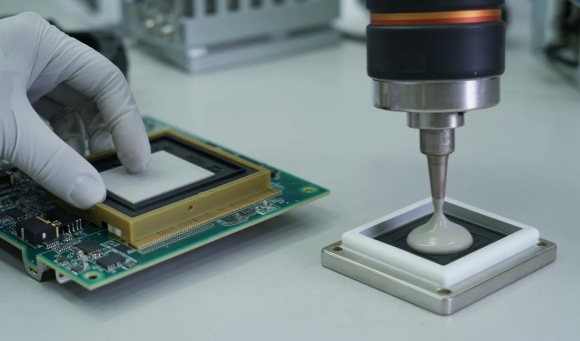
A Phase Change Material (PCM) is a unique thermal interface solution that captures, holds, and releases thermal energy through repeated solid-to-liquid transitions. Unlike regular thermal pads or paste, PCMs use this phase transition to manage temperature more effectively when your electronics heat up and cool down.
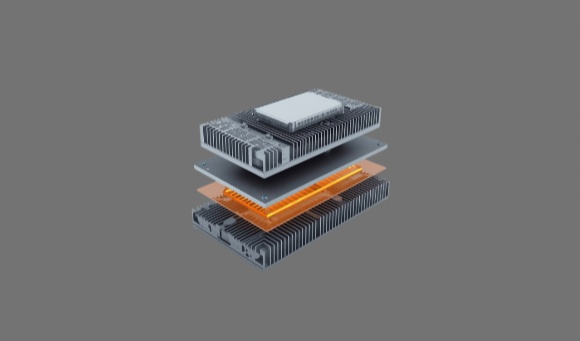
For high-power electronics like LED drivers, battery packs, or power modules, stable operating temperatures are critical. PCMs help keep heat under control by filling tiny air gaps when they melt, ensuring better contact between heat sources and heat sinks. This means fewer hotspots, more reliable performance, and a longer lifespan for your devices.
How Does a Phase Change Material Work?
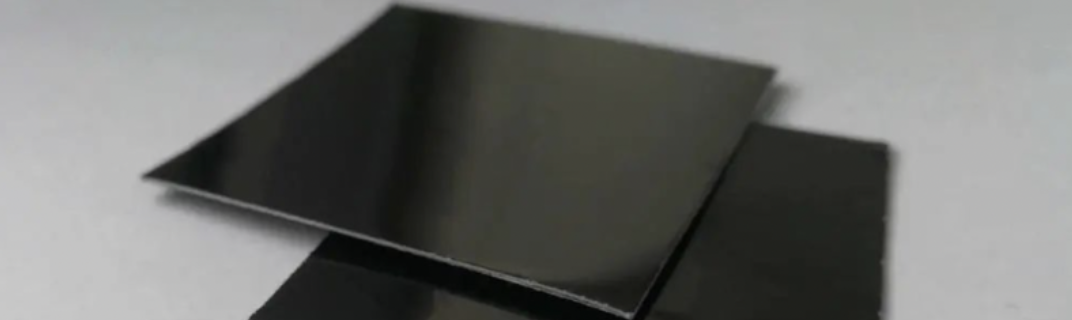
A PCM works by using its natural melting and solidifying process to handle heat spikes. When the device temperature rises, the PCM absorbs excess heat and softens or melts slightly. This phase shift lets the material flow into microscopic gaps and uneven surfaces that other TIMs might miss.
Once the heat source cools down, the PCM solidifies again, ready to repeat the process. This cycle helps maintain a stable temperature range, reduces thermal resistance, and improves overall thermal performance compared to traditional grease or dry pads — especially in high-power or high-cycling applications.
Different Types of Phase Change Materials
PCMs come in various forms, each designed for specific heat management needs. Different types are used depending on the temperature range, application, and desired thermal performance:
Organic PCMs (e.g., Paraffin):
Organic PCMs often use paraffin wax, which is widely known for its reliable melting characteristics. They’re cost-effective and have stable melting points, making them useful for basic thermal buffering.
Inorganic PCMs (e.g., Salt Hydrates):
Salt hydrates can store more heat per unit volume than paraffin but may be more sensitive to corrosion or separation if not well formulated.
Advanced Engineered PCMs for Electronics:
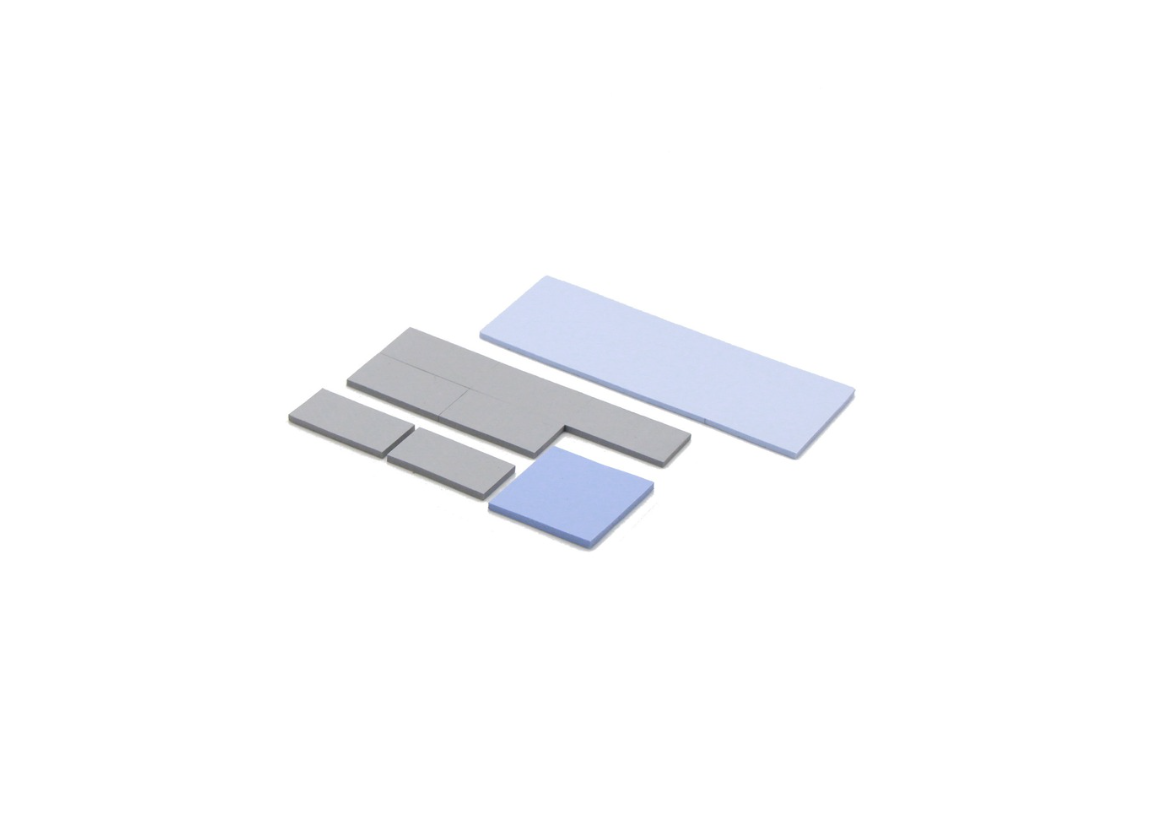
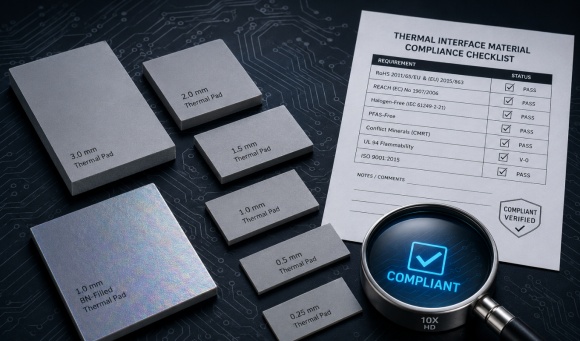
In high-power electronics, specialty PCMs are designed as thermal interface sheets or coated films. These engineered materials melt at precise temperatures, flow to fill micro gaps under heat and pressure, and re-solidify for repeated use. We supply customized PCM sheets and TIMs for demanding applications like LED modules, PCBA, inverters, and battery packs.
Applications of PCMs in Electronics
PCMs are used wherever consistent thermal management is needed — especially when power loads fluctuate or components cycle on and off:
Power Modules and Inverters:
High-power modules generate large heat spikes. PCMs help by smoothing sudden temperature peaks and maintaining good contact under thermal expansion.
LED Drivers and Batteries:
In LED systems and energy storage packs, PCMs keep temperatures steady and protect cells and drivers from thermal stress.
Servers and PCBA:
In high-performance servers or PCBA assemblies, PCMs provide reliable thermal transfer while adjusting to surface irregularities — often outperforming traditional thermal grease or pads in tight, high-cycle spots.
Compared to grease or thermal pads alone, PCMs combine the easy handling of a solid with the excellent gap-filling of a liquid — automatically adjusting as your equipment heats up.
Benefits of Using Phase Change Materials
Choosing a PCM over traditional TIMs offers clear advantages:
Self-Adjusting Gap Filling:
PCMs melt slightly under heat and pressure, flowing into tiny gaps that dry pads or rigid fillers can miss. This creates the best possible contact surface to move heat efficiently.
Easy to Rework and Keep Clean During Installation:
Unlike some messy pastes, PCM sheets stay in place during assembly and re-solidify cleanly, making maintenance or rework simpler.
Improved Thermal Cycling Performance:
PCMs handle repeated heating and cooling without losing contact or drying out. This means more stable performance and longer life for your high-power devices.
Limitations to Consider
While Phase Change Materials offer unique benefits, it’s important to know their practical limits:
Proper Application Conditions:
PCMs need the right contact pressure and operating temperature to work as designed. If temperatures stay too low, the material may not fully transition and flow into all gaps.
Cost vs. Conventional TIMs:
Compared to standard thermal pads or grease, advanced PCMs can be more expensive up front. However, their performance and longer cycle life often justify the investment for critical power electronics.
Storage and Shelf-Life:
Some PCMs can be sensitive to storage conditions like humidity or long-term temperature changes. Choosing well-packaged, high-quality materials — and working with a supplier who provides clear handling instructions — helps avoid shelf-life issues.
How to Choose the Right PCM
Finding the best PCM for your project depends on several factors:
Key Factors:
Consider the device’s typical operating temperature, the amount of heat it generates, the surface roughness, and how the PCM will be mounted during assembly.
Custom Formulations:
Some applications require a PCM with a specific melting point or special thermal conductivity. In these cases, custom-engineered sheets or coatings can be developed to match your unique design. For example, a power module in an inverter may need a PCM that activates at a higher temperature to handle peak loads, while an LED driver might use a lower-melting PCM to protect sensitive components during startup.
Supplier Support:
A reliable supplier won’t just sell you off-the-shelf PCMs — they’ll help you test, compare, and select the right material for your performance and production needs. We support our partners with lab testing, samples, and design advice to ensure the PCM works exactly as expected in real-world conditions.
Final Thoughts: Why Quality Matters
Cheap or poorly formulated PCMs may not melt consistently, can leak or dry out, or fail under repeated thermal cycling. This leads to unstable temperatures, reduced heat transfer, and in worst cases, unexpected failures that shorten your product’s lifespan.
Reliable, well-engineered PCMs maintain stable phase transitions, fill gaps exactly where needed, and deliver consistent performance over many cycles. That’s why it’s worth partnering with a supplier who understands your application and provides tested, high-quality thermal solutions.
Call to Action
If you’re exploring PCMs for power modules, LED drivers, batteries, or high-performance PCBA, we’re ready to help.
Our team can recommend the best phase change material for your specific design — or develop custom sheets and coatings to match your unique requirements. We also offer lab testing, technical support, and free samples for partners, so you can verify performance before moving to full production.
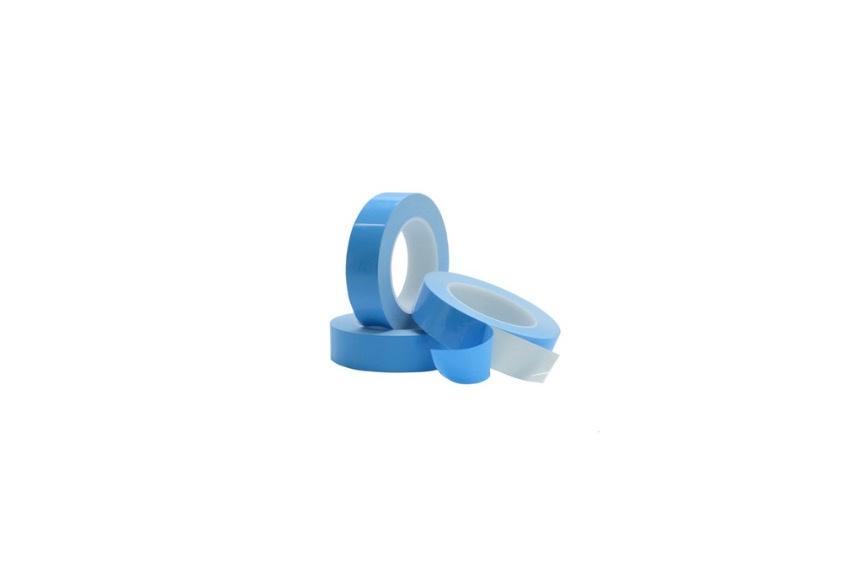
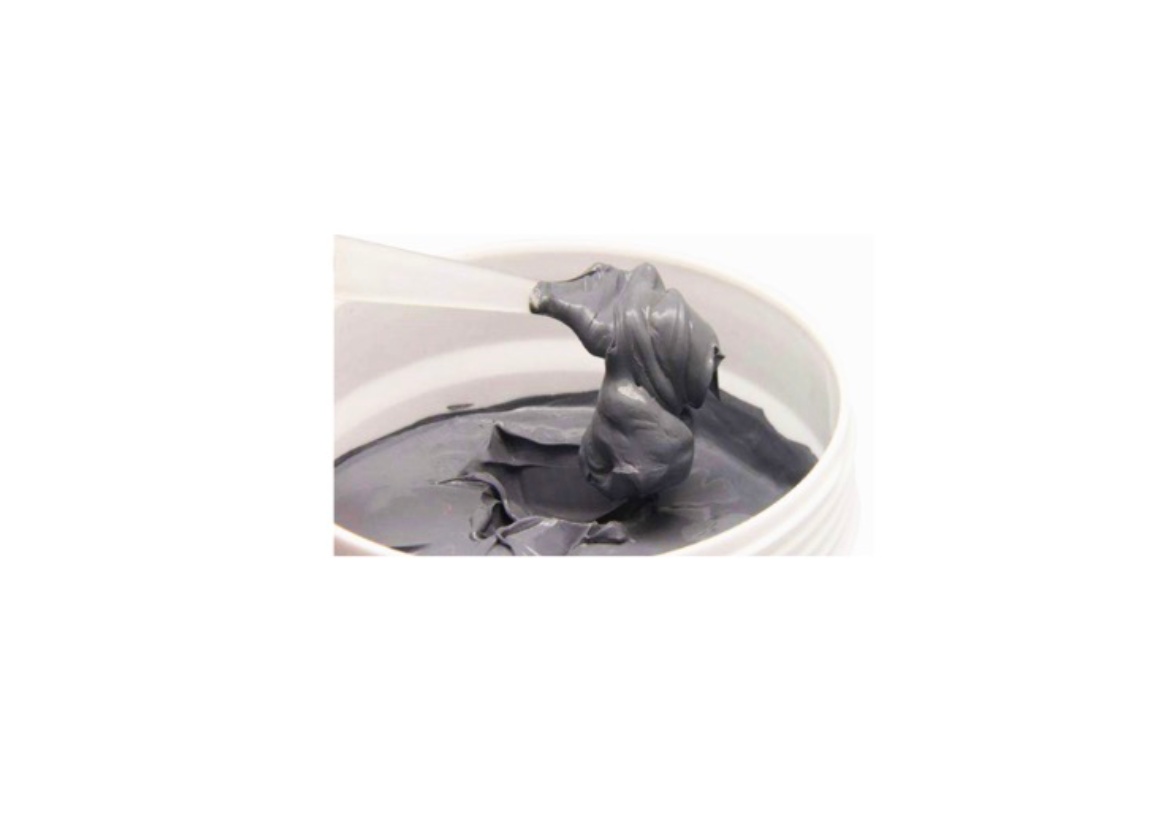
Get in touch with us today to discuss your project — and discover our full range of thermal interface solutions, from PCMs to thermal grease, pads, tapes, and more.