Welcome to Taxo Tape

  • July 23, 2025

What is Heat Dissipation?


Introduction

Heat dissipation is the process of removing unwanted heat generated by electronic components during operation. As electronic devices work — whether it’s an LED driver, battery module, or inverter system — they naturally produce heat that must be managed to keep everything running safely and efficiently.

For high-power electronics, effective heat dissipation is not optional — it’s critical. Poor thermal management can lead to overheating, reduced performance, faster component wear, or even total device failure. That’s why choosing the right materials and design is so important for industries like energy storage, LED lighting, and industrial power control.

How Heat Dissipation Works

When any electrical component operates, it converts part of the electrical energy into heat. If that heat is not moved away from sensitive parts quickly enough, temperatures rise and the device can overheat.

Heat dissipation relies on three basic physical principles:

Conduction: Heat moves through solid materials from the hot component to a cooler area, like a heatsink.

Convection: Once heat reaches the surface, air or liquid coolant carries it away.

Radiation: Some heat is released as infrared energy into the surrounding space.

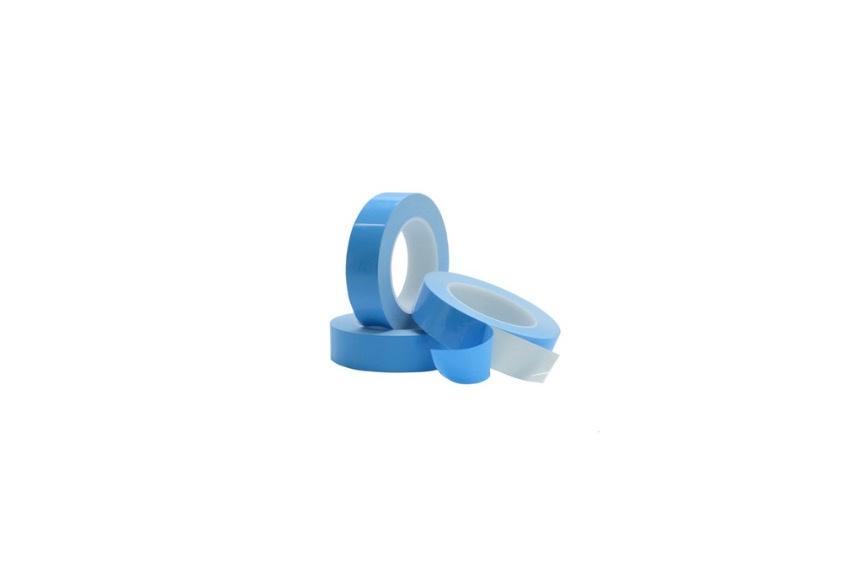
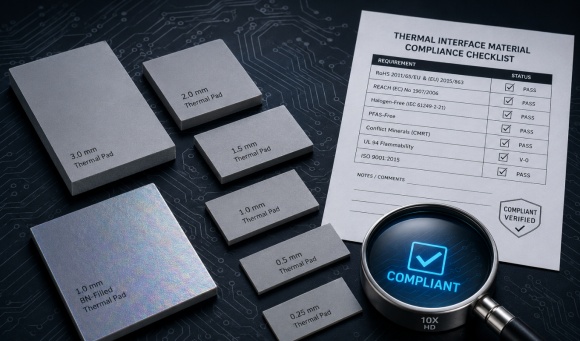
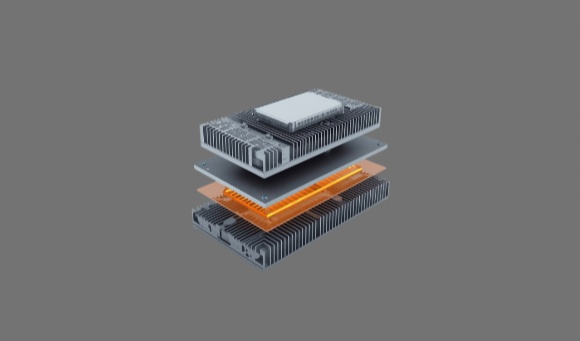
Engineers use a combination of methods to manage heat: adding heat sinks, using fans or liquid cooling, designing for better airflow, and applying thermal interface materials (TIMs) like thermal pads, thermal paste, phase change materials, or graphite sheets. Each solution helps transfer heat more efficiently and maintain stable operating temperatures.

What is Heat Dissipation?

Why Poor Heat Dissipation Is a Problem

When excess heat is not managed properly, electronic components can’t perform at their best — and often don’t last as long as they should. Overheating can reduce efficiency, cause unexpected shutdowns, and damage sensitive parts.

Real-world examples:

LED color shift: Poor cooling in LED drivers can cause color temperature drift, visible flicker, or brightness drop.

Battery degradation: In battery modules and energy storage packs, uncontrolled heat speeds up aging, shortens cycle life, and increases safety risks.

Inverter failure: In power inverters, excess heat can damage power chips and control boards, leading to costly downtime or replacement.

Good heat dissipation keeps temperatures within safe operating limits, protects components, and ensures stable performance under heavy load.

Common Methods to Improve Heat Dissipation

There’s no single solution — effective heat management often combines multiple techniques and materials:

Use heat sinks and thermal pads:

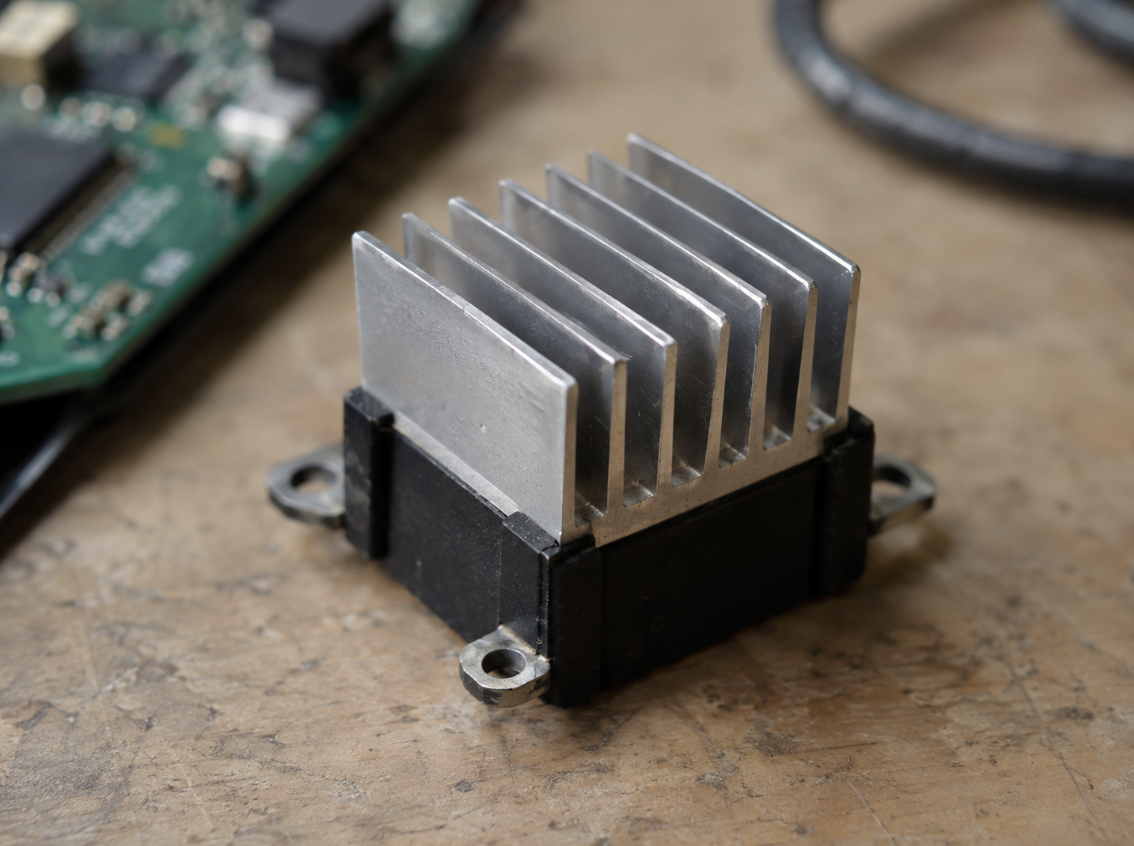
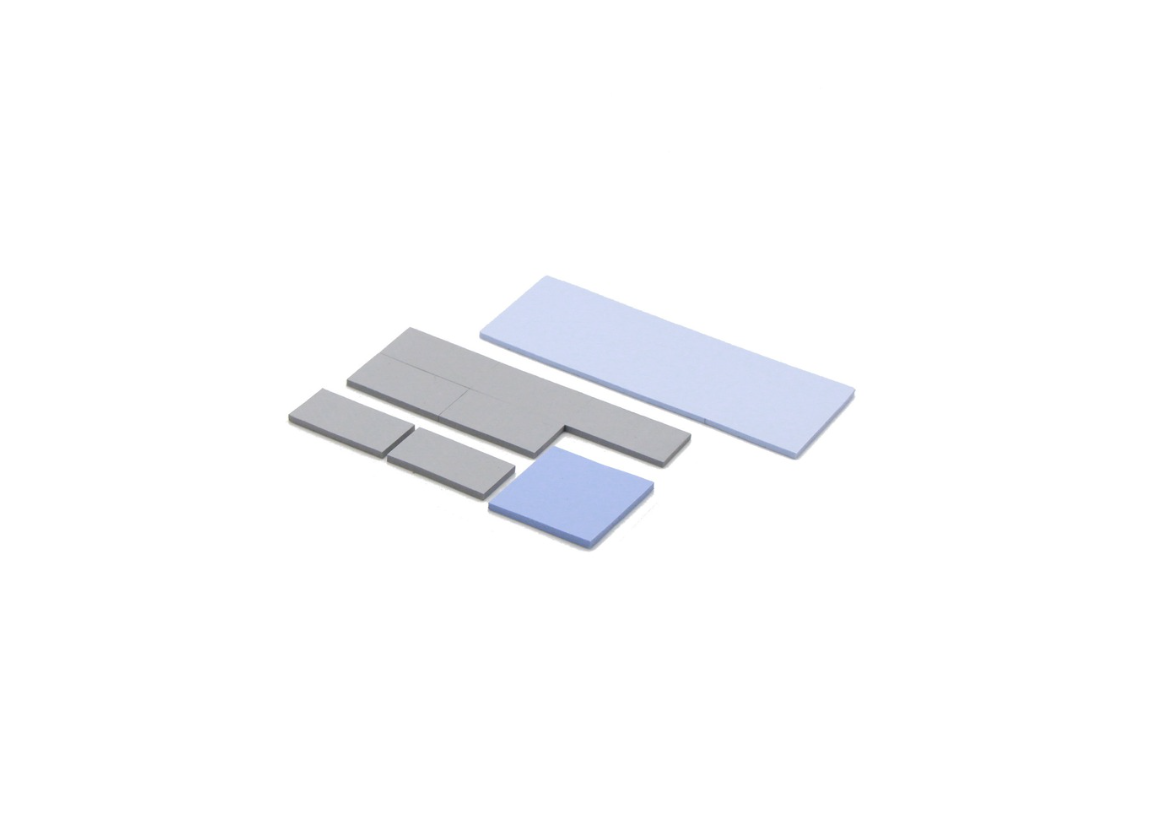
Heat sinks draw heat away from chips or modules, while thermal pads bridge tiny air gaps between components and metal surfaces, improving conduction.

Add thermal paste or thermal grease:

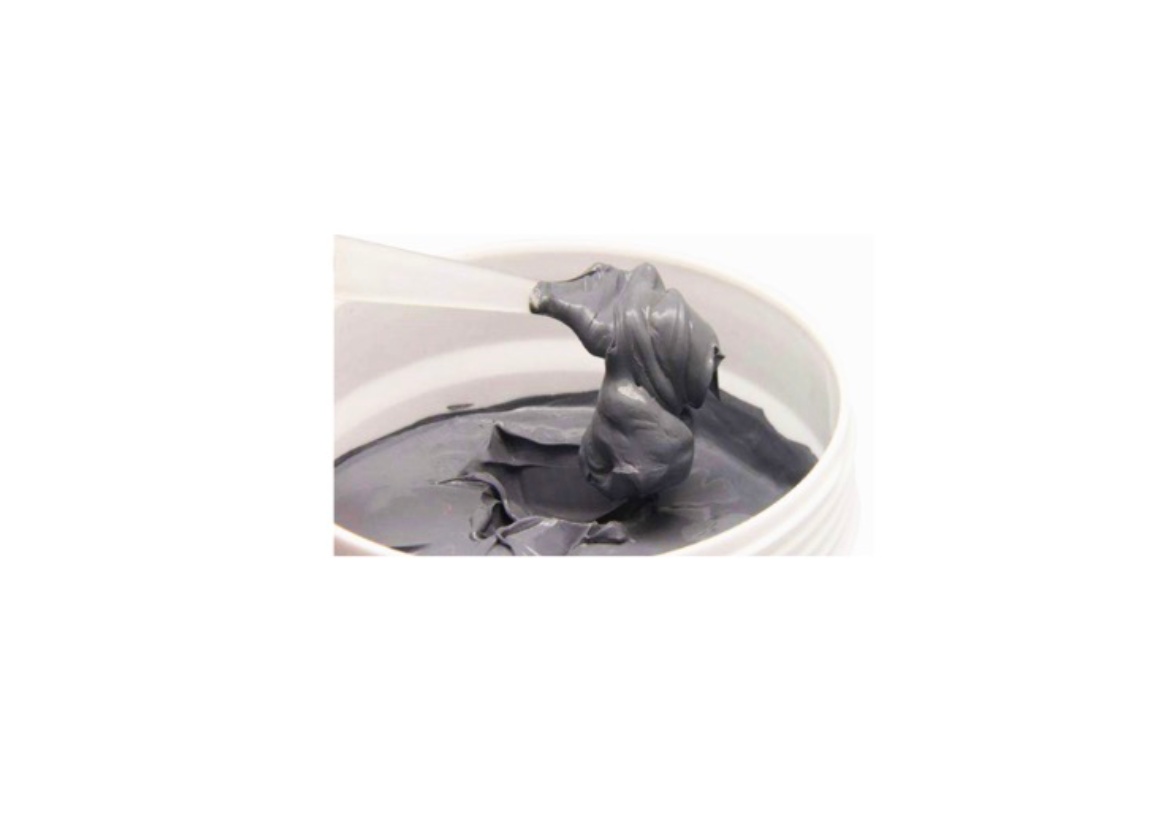
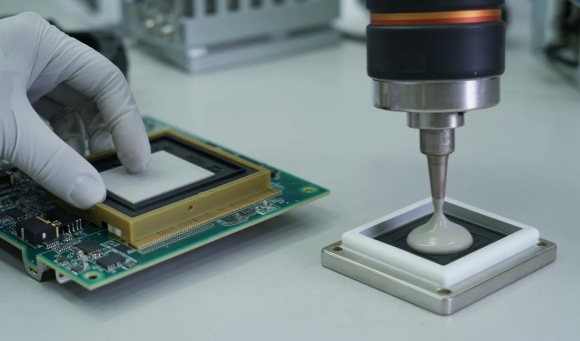
A thin layer of thermal paste fills microscopic gaps for better contact between the chip and heatsink, helping maximize heat flow.

Apply phase change materials or graphite sheets:

Advanced TIMs like PCMs adjust to temperature changes, flowing into gaps under heat and pressure. Graphite sheets can quickly spread heat in multiple directions, helping manage hot spots.

Optimize PCB or module design:

Good layout design improves airflow and helps spread heat evenly. Adding ventilation or forced air cooling can further boost overall heat dissipation.

How to Choose the Right Thermal Solution

Selecting the right heat management approach depends on your specific design and working environment:

Key factors:

Consider power density, the available space, operating temperature range, and how easily the thermal solution fits your assembly process.

Custom TIMs make a difference:

Standard materials don’t fit every application. Custom thicknesses, shapes, or performance grades often boost efficiency and reliability — especially for complex modules.

Example:

Use a thermal pad when you have uneven gaps and need easy assembly for mass production. Use thermal paste when you need high precision and minimal gap resistance. For high cycling or peak loads, a PCM may offer better long-term stability.

By matching the right material to your product’s needs, you avoid overheating issues and get the best performance over time.

The Benefits of Good Heat Dissipation

A well-designed heat dissipation solution does more than keep temperatures under control — it protects your entire system investment:

Stable performance under load:

Your devices run at their intended power levels without unexpected slowdowns, shutdowns, or thermal throttling.

Better reliability and safety:

Effective cooling prevents overheating, which means fewer failures, safer operation, and longer component lifespan — critical for power modules, LED drivers, or battery packs.

Lower maintenance and fewer replacements:

When heat is managed well, you spend less on repairs, replacements, and downtime, keeping total cost of ownership lower for your end products.

Final Thoughts: Why Work with a Trusted Supplier

Good heat dissipation starts with smart design — but choosing the right supplier matters just as much.

A trusted partner can help you select or customize thermal interface materials that match your specific power density, gap size, and assembly needs. Reliable suppliers also provide tested, high-quality TIMs that stay stable over time and perform as expected under tough conditions.

Whether you need standard thermal pads, high-performance paste, phase change sheets, or graphite films, the right support can save you costly trial and error.

Call to Action

If you’re facing heat management challenges for your LED drivers, battery modules, inverters, or PCBA, we’re here to help.

We can recommend the best combination of thermal pads, greases, gels, or phase change materials for your application.

Our full portfolio covers a wide range of heat management needs — from standard off-the-shelf options to custom-engineered solutions.

Contact us today to discuss your project and get expert support for your next design.

Quickly Inquiry

Taxo Tape