Welcome to Taxo Tape
What is Good Thermal Paste?
Introduction: The Importance of Thermal Paste in Electronic Cooling
Effective heat management is essential in advanced electronics to ensure performance and longevity. Thermal paste, sometimes referred to as thermal grease or compound, enhances heat flow by bridging the microscopic gaps between hot components and their heat sinks.
Whether in CPUs, GPUs, power modules, LED drivers, or battery systems, thermal paste helps fill the microscopic imperfections between surfaces that would otherwise trap air and reduce thermal conductivity. Without proper application of a high-quality thermal paste, even the most advanced cooling systems can underperform.
Poor thermal paste selection or usage can lead to hotspots, reduced performance, thermal throttling, and in some cases, premature component failure. That’s why choosing the right thermal paste—and applying it correctly—is essential in thermal management design.
What Is Thermal Paste?
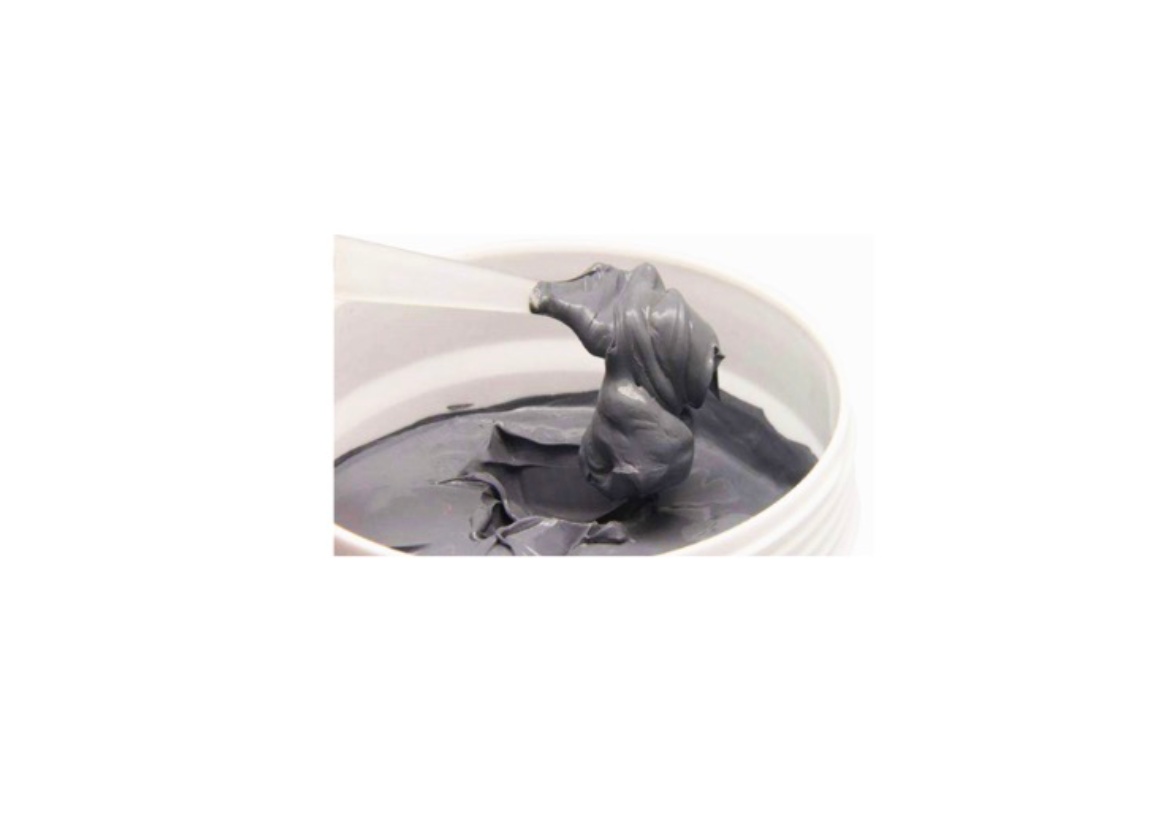
Thermal paste is a type of thermal interface material (TIM) designed to improve the efficiency of heat transfer between two solid surfaces, typically between a processor or power device and a heatsink or heat spreader.
These surfaces, while appearing smooth to the naked eye, have microscopic gaps and uneven areas that trap insulating air. Thermal paste fills these voids with a conductive medium, eliminating air pockets and significantly reducing thermal resistance.
Unlike thermal pads, which are pre-formed and solid, thermal paste is a viscous compound that can flow and conform tightly to complex surface geometries. Compared to thermal gels, pastes are often used when a thin bond line is desired and where high contact is critical for performance.

Key Properties of a Good Thermal Paste
To evaluate thermal paste performance, key metrics like thermal conductivity are crucial. A higher W/m·K value generally means the material transfers heat more efficiently from the component surface to the heatsink. Pastes rated above 4–5 W/m·K are often considered good for high-power electronics.
Stable Viscosity: A good thermal paste should be easy to dispense and apply without being too runny or too stiff. It should maintain its consistency over time, avoiding pump-out or dry-out during thermal cycling.
Electrical Insulation (if required): In many sensitive applications like PCBs or LED modules, an electrically insulating formula is essential to avoid short circuits. Some metal-based pastes conduct electricity, so caution is needed.
Wide Operating Temperature Range: Good pastes must remain stable under high heat or fluctuating temperatures, especially in automotive or industrial environments. Look for operating ranges like -40°C to +200°C or higher.
Non-Corrosive, Non-Curing, Non-Bleeding: Modern thermal pastes should avoid curing (hardening) over time, prevent oil separation (bleeding), and contain no corrosive materials that might degrade substrates or solder joints.
Types of Thermal Paste
Thermal pastes come in several formulations, each with its own performance characteristics and ideal use cases:
Silicone-Based vs. Non-Silicone-Based:
Silicone-based pastes are common, cost-effective, and offer good thermal stability.
Non-silicone-based alternatives are preferred in environments where silicone migration or contamination must be avoided.
Metal-Based Pastes:
Contain conductive materials like silver, aluminum, or zinc oxide. These offer high thermal conductivity but may be electrically conductive—use with caution near exposed circuitry.
Ceramic-Based Pastes:
Ceramic thermal pastes are formulated with fillers such as aluminum oxide or boron nitride. These materials are electrically non-conductive and provide stable performance, making them a safe and effective option.
Carbon-Based Pastes:
Incorporate graphene, carbon black, or carbon nanotubes. These pastes provide excellent thermal performance and are generally non-conductive, making them ideal for sensitive electronics.
Each type involves trade-offs between cost, conductivity, electrical insulation, and application ease. The optimal thermal paste should align with your system’s heat output, physical design constraints, and required durability.
Application Tips for Optimal Performance
Proper application of thermal paste is just as important as its composition. Follow these best practices to ensure maximum thermal performance:
Apply the Right Amount: Too little paste won't cover surface imperfections; too much can reduce heat transfer or cause overflow. A pea-sized dot is a common rule of thumb for CPUs.
Application Techniques:
Pea method – drop in the center; spreads under pressure
Line method – especially useful for elongated components
Spread method – manual distribution with a card or spatula for full coverage
Clean Before Reapplication: Always remove old thermal paste using isopropyl alcohol and a lint-free cloth before applying new paste. Mixing old and new paste can degrade performance.
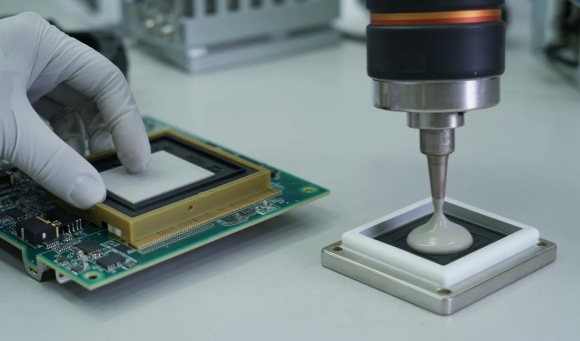
Consider Automation: For large-scale production, automated dispensers ensure consistency, speed, and reduced material waste. Choose a paste compatible with your dispensing system.
Common Mistakes to Avoid
Even the best thermal paste can underperform if applied or selected incorrectly. Here are common pitfalls to watch for:
Over- or Under-Application: Applying too much can cause overflow or create air pockets, while too little may not cover the entire contact surface—both result in poor heat transfer.
Applying outdated or dried thermal paste can compromise thermal transfer, as these materials lose effectiveness over time. Always check expiration dates and storage conditions. Dried or separated paste loses viscosity and thermal conductivity.
Wrong Paste for the Job: Using a general-purpose paste on high-power modules or mismatching materials with surface types (e.g., rough aluminum vs. polished copper) can compromise thermal performance.
Ignoring Thermal Cycling and Aging: In environments with frequent temperature fluctuations (e.g., automotive, outdoor electronics), you must select a paste designed for long-term mechanical and thermal stability. Otherwise, issues like pump-out, cracking, or delamination can occur over time.
Selecting the Most Suitable Thermal Paste for Your Application
Selecting thermal paste isn't one-size-fits-all. Here's a practical framework to make the right choice:
Match Conductivity to Thermal Load:
For high-wattage components (like power transistors, IGBTs, or CPUs), select a paste with higher thermal conductivity—usually above 5 W/m·K. Lower-wattage systems may perform well with mid-range pastes.
Consider Production Requirements:
Manual assembly: Look for user-friendly viscosity and low bleed.
Automated dispensing: Ensure the paste is compatible with your dispensing system and won’t clog or separate.
Electrical Insulation:
If components are exposed or close to conductive traces, opt for electrically insulating pastes, especially in battery systems or LED drivers.
Industry-Specific Recommendations:
LED Drivers:
Use a stable, non-bleeding, silicone-based or ceramic-filled paste that can perform consistently over thousands of on-off cycles.
Battery Packs (EV/ESS):
Choose a non-conductive formula with wide thermal operating range, excellent adhesion, and minimal drying for long-term safety.
Inverters and Power Modules:
For these high-power, heat-intensive systems, consider metal-based or carbon-based pastes with excellent conductivity and reliable long-term stability.
Conclusion: Small Material, Big Impact
Though thermal paste is just a thin layer, it plays a critical role in maintaining device performance, reducing failure rates, and extending product lifespan.
A high-quality paste applied correctly lowers thermal resistance, ensuring heat is efficiently transferred away from sensitive components.
Testing and validation during prototyping are essential to avoid surprises in mass production or field operation.
Finally, working with reliable suppliers ensures product consistency, technical support, and confidence in long-term reliability.
Don’t overlook your thermal paste—choose wisely, apply carefully, and always think long-term.