Welcome to Taxo Tape
What is Electronics Thermal Management?
Introduction: The Critical Role of Thermal Management in Electronics
In today’s electronic systems, thermal management encompasses the strategies and materials employed to regulate component temperatures throughout operation. Every electronic device—from compact consumer gadgets to high-power industrial systems—generates heat as a byproduct of electrical activity. If that heat is not effectively dissipated, it can accumulate inside the device, leading to serious performance and safety issues.
Efficient thermal management is essential for three main reasons. Primarily, it maintains peak performance by ensuring components operate within their specified temperature limits. Second, it safeguards reliability and extends product lifespan by preventing heat-induced degradation. Third, it helps maintain safety by reducing the risk of overheating, which can cause malfunctions or even catastrophic failures.
However, managing heat in electronics is becoming more challenging. As devices become smaller and more powerful, power density increases while available cooling space decreases. This makes it more challenging to remove excess heat efficiently, necessitating more advanced designs and materials to maintain system stability under demanding conditions.
How Heat is Generated in Electronic Devices
Heat in electronic devices is primarily produced when electrical energy is converted into other forms—mainly thermal energy—during operation. This process occurs across various components, including central processing units (CPUs), power modules, LED chips, battery cells, and high-current connectors. In each case, electrical resistance within conductive pathways causes energy loss in the form of heat, a phenomenon known as Joule heating.
From a physics perspective, when electrons move through a material, they collide with atoms in the lattice structure, creating vibrations (phonons) that manifest as heat. The higher the current and resistance, the greater the heat generated. Additional heat can also result from switching losses in power electronics, leakage currents in semiconductors, and chemical reactions in battery systems.
The trend toward smaller, more powerful devices has increased heat management difficulties, as higher power density amplifies thermal stress. As devices shrink, the same or greater amount of power is concentrated in a smaller volume, reducing the available surface area for heat dissipation. This means heat builds up faster and reaches critical temperatures more easily, placing greater demands on cooling strategies and thermal interface materials to maintain stable operation.
Consequences of Poor Thermal Management
When heat is not effectively controlled, the performance and longevity of electronic systems can deteriorate rapidly. Excessive operating temperatures reduce the efficiency of semiconductors, causing slower processing speeds, voltage drops, and unstable system behavior. This not only compromises product performance but also increases the risk of unexpected shutdowns during operation.
Prolonged exposure to high temperatures accelerates component degradation, breaking down solder joints, weakening adhesives, and causing thermal fatigue in printed circuit boards (PCBs). Over time, this leads to premature failure of critical parts, shortening the overall product lifespan and increasing replacement costs.
The risks go beyond performance loss—poor thermal management can create serious safety hazards. Excessive heat can cause batteries to expand, create electrical faults, or even ignite. Beyond safety risks, such failures can harm brand credibility and result in expensive product recalls.
For manufacturers, inadequate thermal control can result in downtime and higher maintenance costs. Systems that frequently overheat require more repairs, quality checks, and warranty claims, driving up operational expenses and disrupting production schedules. Investing in effective thermal solutions early in the design stage is therefore both a technical and economic necessity.
Key Thermal Management Techniques
Effective thermal management in electronics relies on a combination of design strategies and specialized materials. The most common approaches include:
Passive cooling
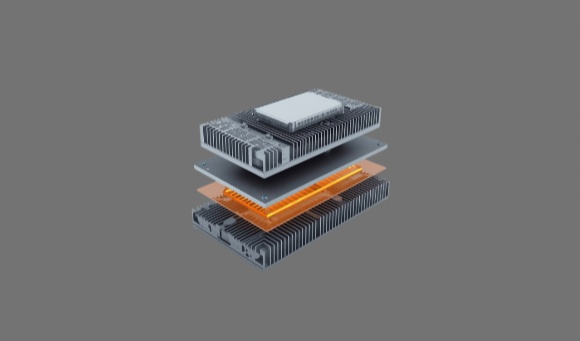
This method dissipates heat without moving parts, relying on components such as heat sinks, thermal spreaders, and conductive enclosures. Heat sinks use high-conductivity metals like aluminum or copper to transfer heat away from critical components, while thermal spreaders help distribute heat evenly to prevent localized hotspots.
Active cooling
Active methods use mechanical or electrical systems to accelerate heat removal. Examples include cooling fans, liquid cooling loops, and thermoelectric (Peltier) devices. These techniques can handle higher heat loads but often increase system complexity and power consumption.
Thermal interface materials (TIMs)
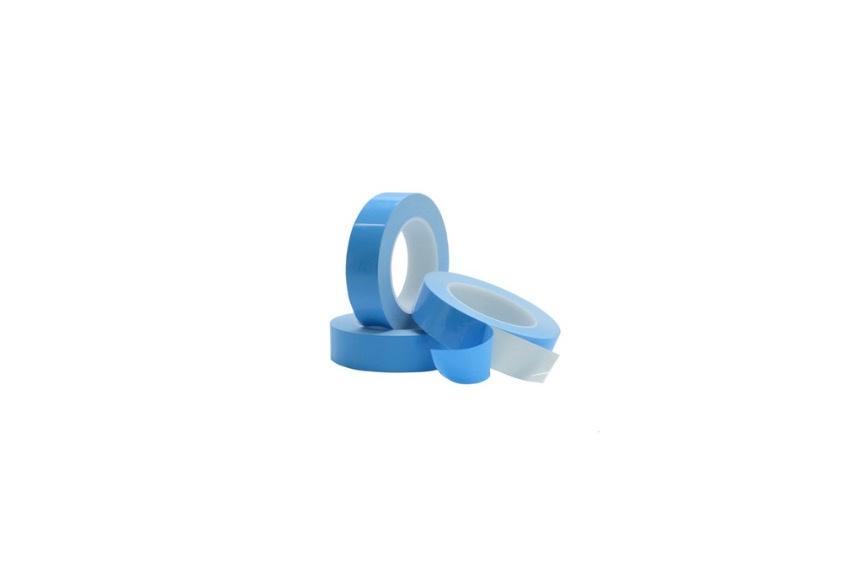
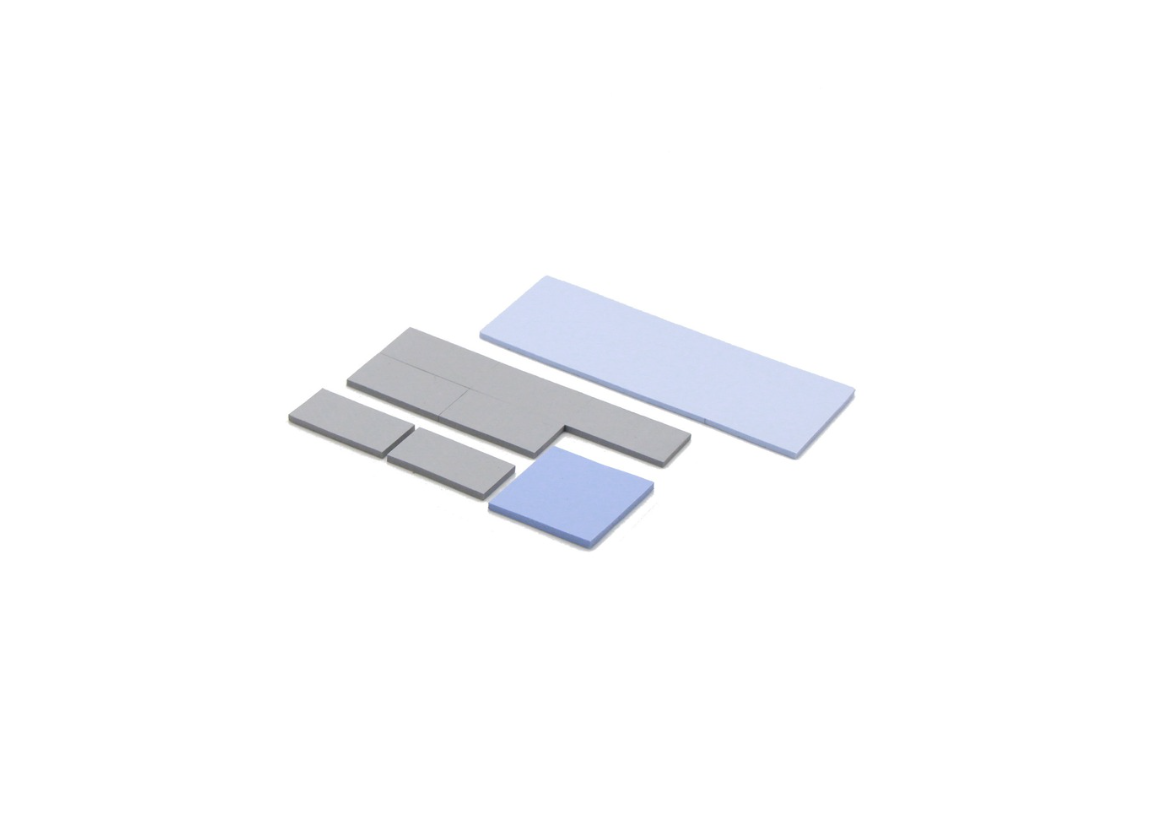
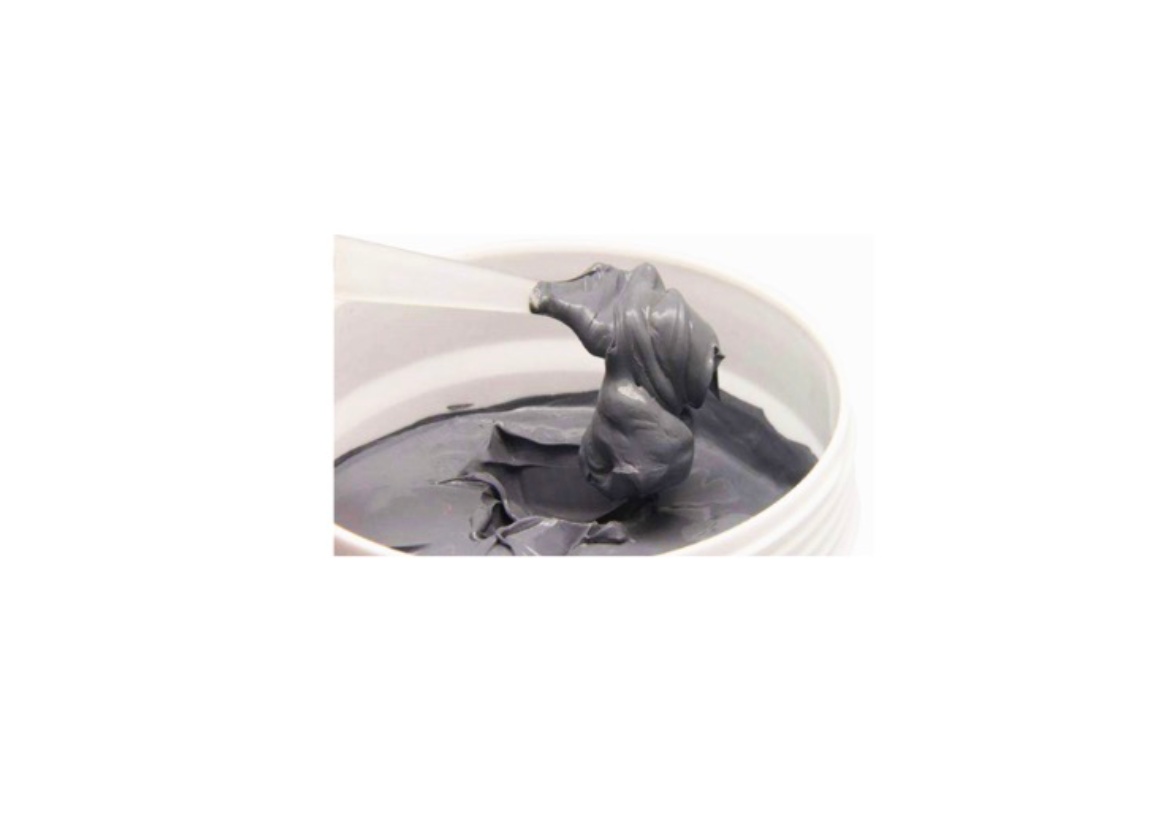
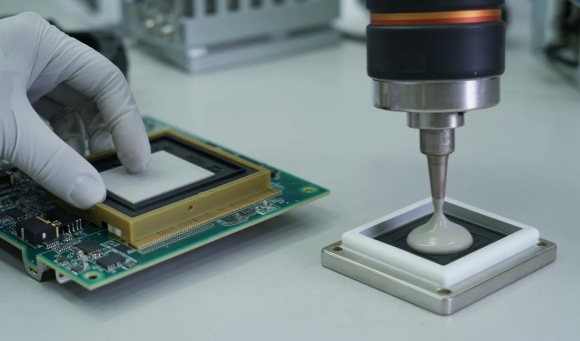
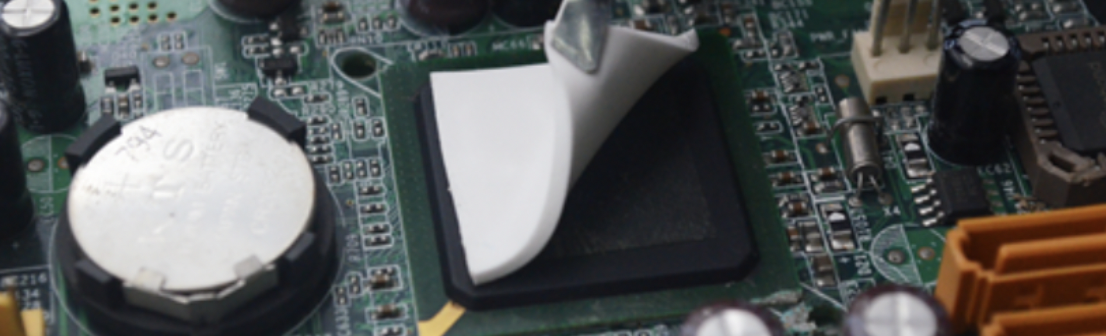
TIMs occupy tiny air gaps between heat sources and cooling surfaces, enhancing contact and enabling more efficient heat transfer.By reducing thermal resistance, TIMs ensure heat flows efficiently from the source to the cooling structure, enhancing overall system stability.
Industry Applications of Thermal Management
Thermal management plays a critical role across multiple electronics industries, where heat control directly impacts performance, reliability, and product safety.
LED Lighting Systems
High-output LEDs generate considerable heat as a byproduct of electrical energy conversion. Without adequate heat dissipation, LED chips can suffer from lumen depreciation, color shift, or complete failure. Thermal interface materials, coupled with heat sinks or aluminum substrates, help maintain consistent brightness and extend service life.
Battery Modules and Electric Vehicle Systems
Lithium-ion cells react strongly to temperature changes; overheating speeds up chemical wear, lowers capacity, and can lead to thermal runaway. Proper thermal management—using gap-filling pads or phase change materials—helps maintain stable cell temperatures and enhances safety in EVs and energy storage units.
Power Inverters and Converters
These devices handle high currents and switching frequencies, generating substantial heat in power semiconductors and magnetic components. TIMs ensure low thermal resistance between power modules and heat spreaders, improving efficiency and preventing overheating during peak loads.
Industrial Control Systems and PCBs
In factory automation, motor drives, and robotics, densely packed PCBs operate continuously in demanding environments. Thermal management solutions such as graphite sheets and gap fillers help avoid localized hotspots and ensure stable, long-term operation.
Consumer Electronics
Slim devices such as smartphones, laptops, and gaming consoles demand space-efficient yet powerful cooling solutions. Advanced TIMs, including ultra-thin graphite foils and thermally conductive adhesives, provide efficient heat spreading without adding bulk or weight.
Across all these applications, well-designed thermal management not only protects components but also enhances system performance, reduces maintenance, and ensures compliance with industry safety standards.
Trends and Innovations in Thermal Management
As electronic systems evolve toward higher power density and smaller form factors, thermal management technologies are advancing to meet new challenges.
Higher-Performance Thermal Interface Materials (TIMs) with Advanced Materials
Next-generation TIMs are being engineered with higher thermal conductivity, improved mechanical compliance, and better long-term stability. Developments include nano-enhanced pastes, graphite composites, and hybrid phase change materials that combine efficient heat transfer with ease of application. These innovations allow designers to handle greater heat loads without increasing cooling system size or weight.
Integration of Thermal Simulation in Product Design
Computer-aided thermal modeling is now a standard practice in many industries. By simulating heat flow during the early design phase, engineers can identify potential hotspots, evaluate different cooling strategies, and select the most effective TIMs before physical prototyping. By following this method, companies can accelerate development, cut expenses, and enhance the dependability of the finished product.
Lightweight, Flexible Materials for Compact Devices
The growing demand for portable and wearable electronics has driven the development of thin, lightweight, and flexible thermal solutions. Ultra-thin graphite films, thermally conductive polymers, and flexible gap fillers allow heat to be managed efficiently in space-constrained applications without compromising device design or comfort.
These innovations not only enhance thermal performance but also align with broader industry goals of improving energy efficiency, reducing product weight, and extending operational lifespans in high-power, compact electronic systems.
Best Practices for Effective Thermal Management
Effective heat control begins long before a product reaches the assembly line—it starts at the design stage. Early-stage thermal planning allows engineers to integrate heat paths, select appropriate cooling methods, and ensure adequate space for thermal interface materials (TIMs) and heat-dissipating components. Ignoring thermal design early on often leads to costly rework, reduced performance, or the need for oversized cooling solutions later.
When selecting materials, engineers should consider multiple factors beyond just thermal conductivity:
Thermal conductivity – Higher values enable faster heat transfer.
Thickness – Thinner layers generally reduce thermal resistance, but must still fill all surface gaps.
Compressibility – Materials should conform to surface irregularities without excessive mounting pressure.
Durability – Resistance to thermal cycling, vibration, and environmental exposure ensures long-term performance.
Finally, testing and validation are essential before mass production. Thermal performance should be verified under realistic operating conditions, including peak loads and environmental extremes. Using thermal imaging, resistance measurements, and accelerated life testing helps confirm that the design will meet reliability and safety requirements in the field.
Conclusion: Building Reliable, Long-Lasting Electronics
Thermal management is not just a supporting feature—it is a critical design discipline that directly affects product performance, safety, and lifespan. From LED lighting to power inverters and advanced battery systems, keeping components within safe temperature limits is essential for ensuring reliability and protecting both users and investments.
A proactive approach to thermal design—starting early, selecting the right materials, and validating under real-world conditions—can prevent costly failures and enable products to perform at their best over many years.
If your application involves high-power electronics, compact designs, or demanding environments, exploring tailored thermal interface and cooling solutions can make a decisive difference. By integrating proven thermal management practices, engineers can create electronics that are not only powerful and efficient but also built to last.