Welcome to Taxo Tape
What Future TIM Technologies Mean for Power Electronics Designers
Introduction
Overview of Thermal Interface Materials (TIMs)
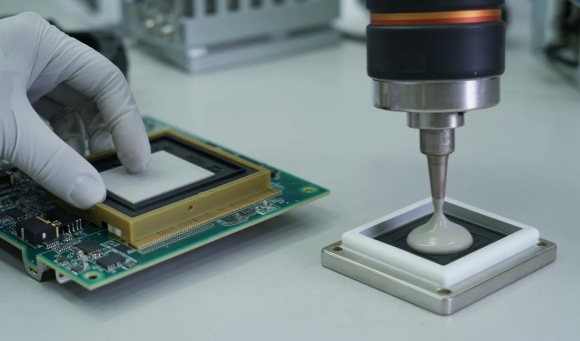
Thermal Interface Materials (TIMs) play a crucial role in modern power electronics. These materials are used to improve heat transfer between electronic components and their heat sinks or other thermal management solutions. By filling microscopic gaps between surfaces, TIMs ensure that heat is efficiently transferred away from critical components, preventing overheating and ensuring reliable operation. Without TIMs, many high-power electronic systems would suffer from thermal issues that can lead to performance degradation, component failure, or even system breakdowns.
The importance of TIMs in power electronics is increasing as electronic components continue to shrink in size and increase in power density. High-performance systems in industries such as electric vehicles (EVs), renewable energy, and industrial motor drives require advanced thermal solutions to cope with the rising heat loads generated by increasingly compact and efficient components.
The Growing Importance of TIMs in Power Electronics
The power electronics industry is undergoing significant changes, and with these changes, the demands on thermal management solutions like TIMs have also evolved. Power electronics systems, such as those used in EVs, renewable energy inverters, and industrial equipment, are becoming more complex and demanding in terms of thermal performance. Power designers must now focus on developing systems that not only perform efficiently but also withstand high temperatures for longer periods.
Advancements in power devices, including wide-bandgap semiconductors like silicon carbide (SiC) and gallium nitride (GaN), are pushing the boundaries of power density and efficiency. As a result, thermal management requirements are becoming more stringent, and the role of TIMs is more critical than ever. Power electronics designers must pay close attention to the latest TIM technologies to ensure that their designs can handle the increased thermal loads without compromising performance or reliability.
The Evolution of TIMs in Power Electronics
Past Trends in TIM Development
The development of TIMs has evolved alongside the advancement of power electronics. In the early stages, basic materials such as thermal greases and pastes were used to fill the gaps between heat-generating components and heat sinks. These materials were often simple in composition, but their effectiveness was limited, especially for high-power applications.
As power electronics became more advanced, TIMs also needed to improve. Early TIM solutions, such as silicone-based greases, were replaced by more effective materials like phase-change materials (PCMs), which offered better thermal conductivity and improved long-term performance. The demand for higher performance, greater thermal efficiency, and longer lifespan led to the development of innovative TIMs, including those that use graphite, metal foils, and more sophisticated thermal pastes.
Current State of TIM Technology
Today, the landscape of TIM technology is more diverse and specialized than ever before. Modern TIMs include:
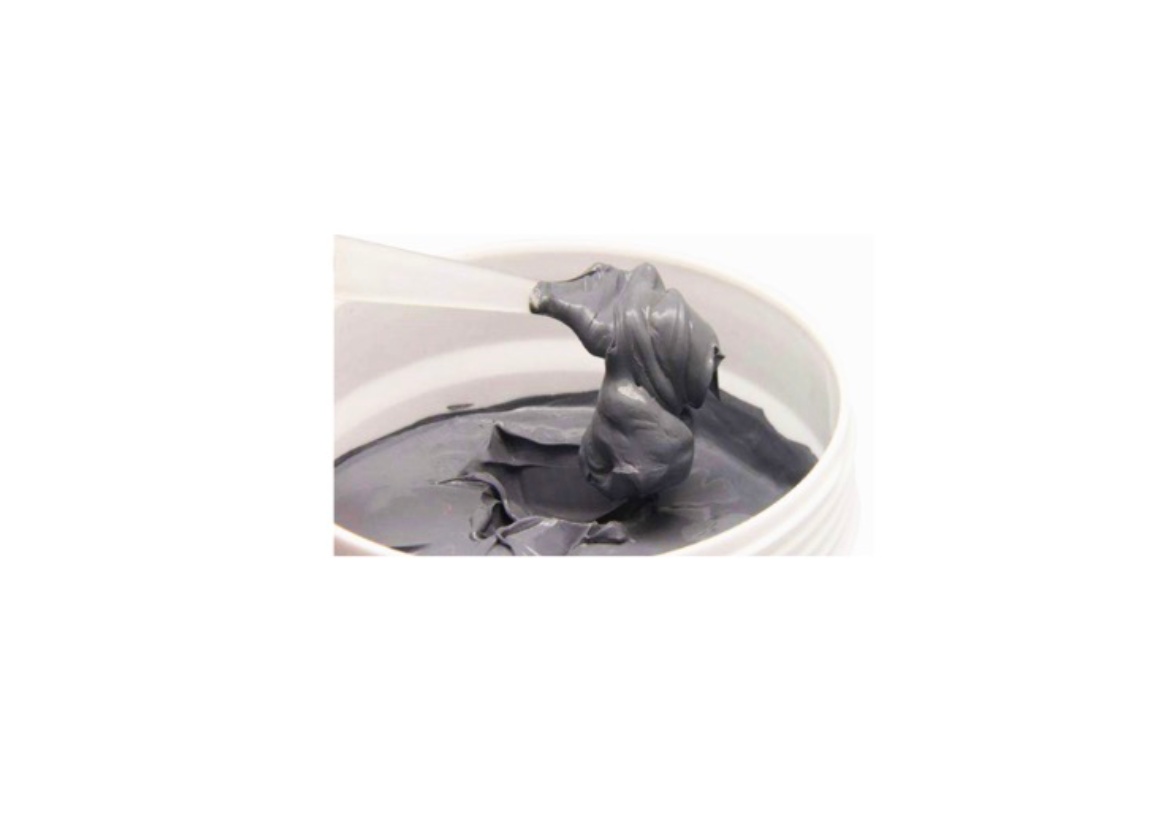
Thermal pastes and gels: Still widely used for general-purpose applications, offering good performance in many electronic devices.
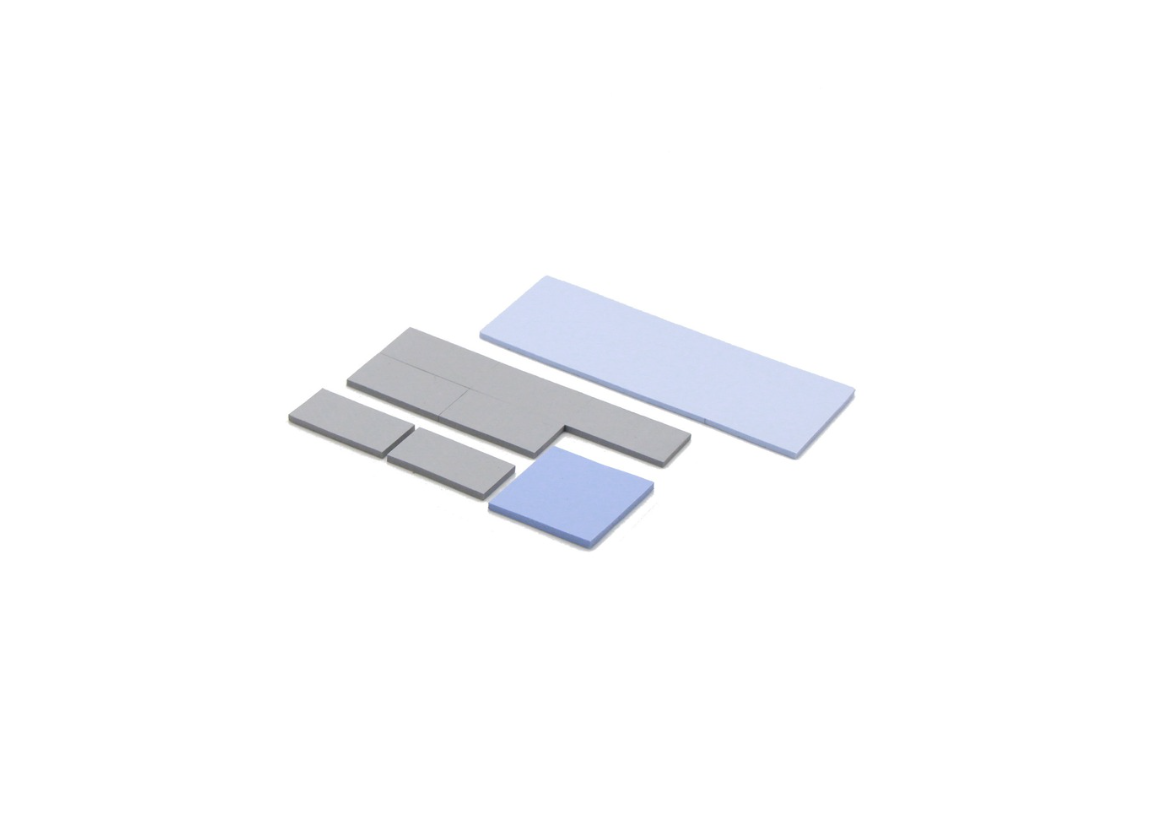
Thermal pads: Pre-formed materials that are easy to apply and offer reliable performance in a range of applications, especially where high thermal conductivity is not a critical requirement.
Graphite sheets: Known for their excellent thermal conductivity and flexibility, these materials are gaining popularity in power electronics, particularly for applications where space constraints are a concern.
Metal foils and composites: These offer exceptional thermal conductivity for high-power applications, but they also come with a higher cost and more complex manufacturing requirements.
As power electronics applications grow in complexity, the need for high-performance TIMs that can handle increasingly difficult thermal challenges is becoming a key focus. Timely advancements in material science are helping to meet these needs, with new options entering the market for specific high-performance scenarios.
Shifting Needs of Power Electronics Designers
The demands placed on power electronics systems are evolving, driven by the increasing reliance on technologies such as electric vehicles (EVs), renewable energy solutions, and industrial automation. These sectors require power systems that operate at higher efficiency levels, with increased power density, and in smaller, more compact designs.
For instance, electric vehicles require advanced thermal solutions for their power inverters, battery management systems (BMS), and electric motors. The need for highly efficient, lightweight thermal management systems is paramount to ensure that these components operate optimally, with minimal thermal resistance, in environments with limited space.
Similarly, the push for renewable energy solutions—such as solar and wind power inverters—demands thermal solutions that can cope with high thermal loads over extended periods, especially in outdoor and harsh conditions. Power electronics designers in these industries must adapt by choosing TIMs that provide not only excellent thermal performance but also long-term stability under challenging conditions.
Future Trends in TIM Technology
High-Performance TIMs for High-Power Applications
As power electronics evolve, there is an increasing demand for TIMs that can handle the growing heat loads in high-power applications. Materials with enhanced thermal conductivity, such as graphene, diamond composites, and carbon nanotubes, are emerging as potential solutions. These materials offer superior heat dissipation compared to traditional TIMs, making them ideal for next-generation power electronics where heat management is a critical factor.
Graphene, for instance, offers thermal conductivity rates that are several times higher than traditional metals, making it a promising candidate for high-power applications such as EV inverters, high-speed processors, and data centers. Although these materials are still relatively expensive and may require specialized manufacturing processes, their ability to improve system performance and reliability makes them a viable option for the future.
Innovation in Flexible TIMs
Another area of focus for the future of TIMs is flexibility. As electronics become increasingly compact, lightweight, and portable, the demand for flexible and conformable TIMs is growing. These materials are designed to adapt to uneven or irregular surfaces, making them ideal for applications in wearable electronics, flexible displays, and other small-scale devices.
Flexible TIMs offer a new level of design freedom for power electronics, allowing manufacturers to create systems that were previously not possible with rigid materials. These innovations are expected to play a major role in wearable devices, IoT applications, and even future-generation flexible energy systems.
Sustainability in TIM Materials
With sustainability becoming a major priority in manufacturing and electronics, the demand for eco-friendly TIM materials is on the rise. Green TIM technologies are being developed that are not only high-performance but also made from sustainable, non-toxic, and recyclable materials. This shift is in line with the broader trend of reducing the environmental impact of electronic manufacturing and meeting global sustainability targets.
Materials such as biodegradable thermal pastes or those made from recycled components are emerging as viable alternatives to traditional materials. These developments align with the push toward environmentally friendly power electronics systems that reduce carbon footprints and increase the longevity of electronic products.
Key Challenges for Power Electronics Designers
Balancing Performance and Cost
Selecting the right Thermal Interface Material (TIM) for a project often involves a trade-off between performance and cost. While high-performance materials, such as diamond composites or graphene-based TIMs, offer superior thermal conductivity, they come at a higher price. For power electronics designers, the key challenge is identifying the most cost-effective TIM that still meets the thermal management needs of the application. Designers must evaluate the heat dissipation requirements, power density, and overall project budget to find the best balance between performance and cost.
One common strategy is to prioritize the TIM selection based on the critical components that generate the most heat. For instance, for high-power applications like electric vehicle (EV) inverters, investing in higher-performance TIMs for the most heat-sensitive components may be necessary, while more cost-effective materials can be used for secondary components.
The Importance of Long-Term Durability
Thermal Interface Materials must not only perform well initially but also maintain their effectiveness over time. One significant challenge is TIM degradation due to prolonged exposure to heat, which can cause the material to lose its thermal conductivity. Additionally, material fatigue can occur in some TIMs, especially in high-stress environments, leading to cracks or delamination. Over time, these issues can result in inadequate heat transfer, reduced performance, and even failure of electronic components.
Designers need to consider the expected lifecycle of the application and select TIMs that are durable enough to perform reliably throughout the device's operational lifespan. For applications like industrial motor drives or EV systems, where longevity is crucial, durability becomes a key factor in the TIM selection process.
Material Compatibility
One of the challenges that designers face when selecting TIMs is ensuring compatibility with different materials used in power electronics. Power systems often combine metals, plastics, and ceramics, each with distinct thermal expansion properties. If the TIM material does not properly bond or interact with these surfaces, it can lead to poor heat transfer, material degradation, or even mechanical failure.
Compatibility concerns also extend to the manufacturing process. For instance, certain TIMs may be sensitive to high temperatures or chemical interactions that occur during component assembly. Power electronics designers must carefully assess how the TIM interacts with various substrates and choose materials that provide consistent performance in diverse environments.
Practical Application: Selecting the Right TIM
How to Match TIM to Specific Power Electronics Needs
When selecting a TIM for specific power electronics applications, it's essential to match the material properties to the thermal and mechanical requirements of the device. For example, in power modules and inverters used in electric vehicles, the TIM must exhibit high thermal conductivity, excellent adhesion to metal surfaces, and the ability to withstand high temperatures without degrading. A designer should also consider the form factor, such as whether thermal pads, pastes, or flexible films are more appropriate for the application.
Considerations for High-Temperature Applications
TIMs are especially critical in high-heat environments, such as those found in power electronics systems like EV inverters, renewable energy converters, and industrial motor drives. In these applications, the TIM must not only handle the typical operating temperature ranges but also function effectively during temperature fluctuations and peak heat loads. For high-temperature applications, designers often prefer materials that have a high melting point, stable thermal properties over time, and resistance to oxidation or degradation. Ceramic-based TIMs, for example, are ideal for extreme heat conditions due to their thermal stability and durability.
The Role of TIMs in Thermal Management Solutions
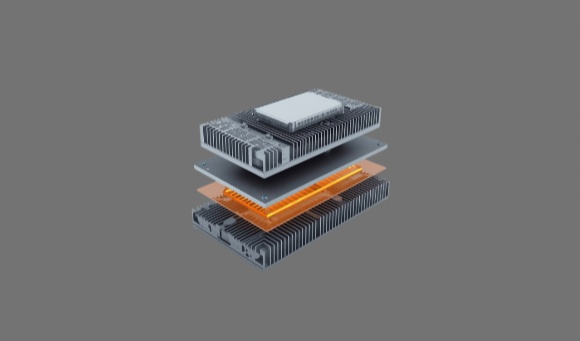
TIMs are a vital component of overall thermal management systems in power electronics. While heat sinks, fans, and liquid cooling systems are typically used to dissipate heat, TIMs are necessary for optimizing the heat transfer from components to these systems. In modern electronics, where compact designs and high-power density are common, TIMs help ensure that heat is effectively channeled away from critical components, preventing overheating and improving reliability. By selecting the right TIM, designers can maximize the efficiency of their thermal management systems and contribute to longer-lasting, higher-performing electronic devices.
Conclusion
Summary of TIM Technologies' Impact on Power Electronics Design
The evolving landscape of Thermal Interface Materials is reshaping the way power electronics are designed. As power densities increase and components become smaller, TIMs are more essential than ever for maintaining device reliability and performance. By selecting the right TIM, designers can optimize thermal management, enhance energy efficiency, and extend the lifespan of their products.
Looking Ahead: Preparing for Future Innovations
Looking forward, power electronics designers should stay informed about the latest innovations in TIM technologies. From high-performance materials like graphene to sustainable, flexible solutions, TIMs are rapidly advancing. Designers should be proactive in researching new materials and incorporating them into their designs to ensure that they remain competitive in an ever-evolving industry.