Welcome to Taxo Tape
What Causes Pump-Out in Thermal Grease — and How to Prevent It
Introduction
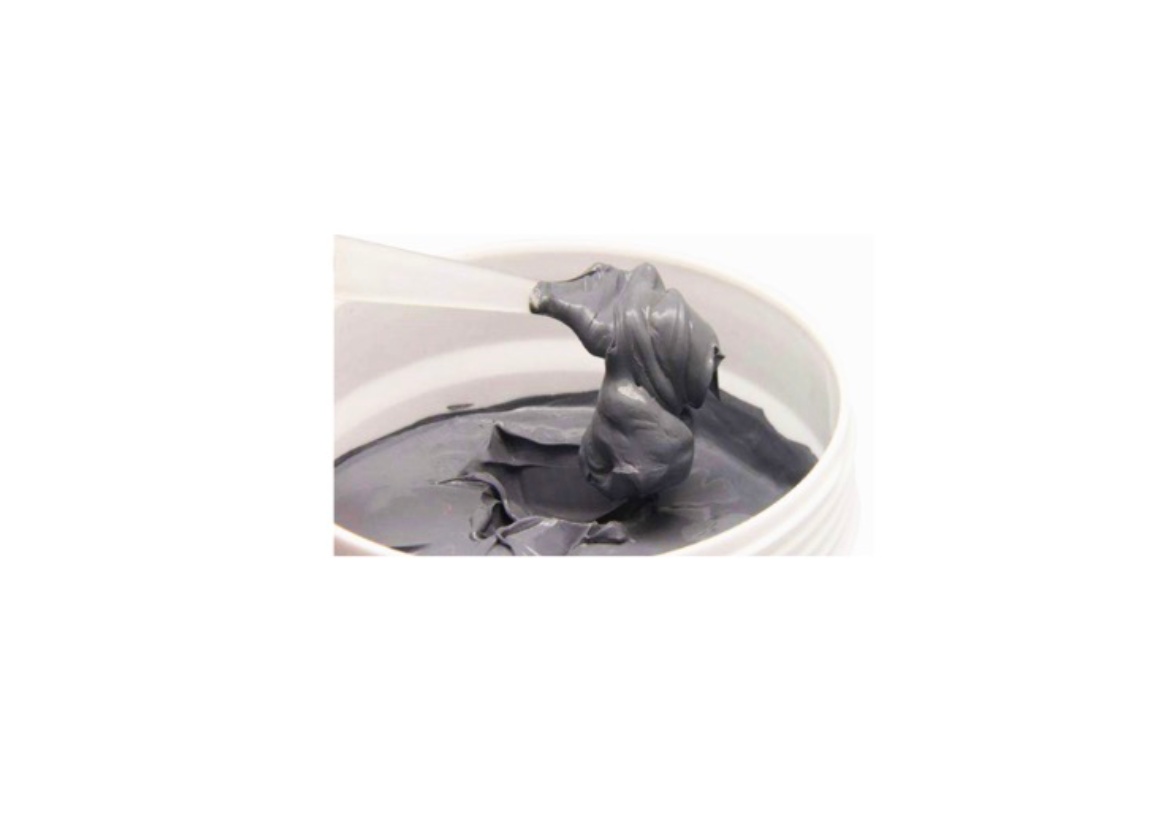
Pump-out is one of the most common failure modes in thermal grease applications, yet it is often overlooked during early design. It occurs when thermal grease slowly migrates away from the contact area between a heat source and a heat sink. Once the material is displaced, the interface gap increases and heat transfer suffers.
For engineers working on lighting modules, CPUs, power electronics, or battery packs, pump-out matters because it directly affects cooling performance and system reliability. A stable thermal interface helps maintain consistent thermal resistance, while grease loss can lead to rising temperatures, reduced component life, and unexpected field failures.

What Is Pump-Out?
Pump-out refers to the gradual movement of thermal grease out of the intended bondline area during device operation. Instead of remaining uniformly spread between surfaces, the material is squeezed or “pumped” toward the edges.
It is most likely to occur in conditions where components experience repeated heat changes, vibration, or mechanical stress. Typical scenarios include processors cycling through high and low power states, automotive modules exposed to shock, or assemblies subjected to uneven mounting pressure.
Why Pump-Out Happens — Key Root Causes
3.1 Thermal Cycling Fatigue
As temperatures rise and fall, the mating surfaces expand and contract. Because different materials have different coefficients of thermal expansion (CTE), this mismatch drives movement at the interface. Over time, thermal grease is pushed out of the gap in small increments until the interface begins to dry out.
3.2 Pumping Motion Under Compression
Mechanical load also plays a role. When a module is clamped or when devices flex during operation, stress waves move through the joint. These forces gradually migrate grease toward the periphery, especially if the bondline thickness is not well controlled.
3.3 Material Characteristics
Pump-out can be linked to the grease formulation itself. Low viscosity materials, or those with weak rheological stability, are more prone to flow under pressure. Oil separation — where the carrier fluid bleeds out — can further destabilize the interface and accelerate displacement.
3.4 Surface Roughness / Contact Pressure Imbalance
Uneven surfaces create localized high-pressure spots, pushing grease aside and leaving voids. If the grease does not properly wet or fill the microstructure of the surfaces, dry regions can form and the material loses its ability to stay anchored.
3.5 Assembly and Application Factors
Over-applying thermal grease may seem safe, but excess material is more likely to be squeezed out during tightening. Insufficient clamping pressure or inconsistent torque also allow the material to shift. Shock, vibration, and movement in real-world operation make the problem worse.
What Happens When Pump-Out Occurs?
Once pump-out progresses, the interface loses contact and thermal resistance rises. Heat no longer flows efficiently, resulting in local hot spots.
The consequences depend on the application:
LEDs may suffer lumen degradation or shortened lifetime
CPUs and ICs may throttle performance to protect themselves
Power and battery systems may overheat, leading to premature failure
In short, pump-out is not a cosmetic issue — it directly impacts the stability and reliability of modern electronics.
How to Prevent Pump-Out — Practical Solutions
Preventing pump-out requires attention at both the materials and engineering levels. A few practical steps can significantly improve long-term performance.
5.1 Choose Formulations Designed for Stability
Start with a grease formulated for mechanical resilience. Products with non-bleeding systems and thixotropic control agents maintain their shape and resist flow under stress. Fillers engineered for good structural integrity help prevent displacement during thermal cycling or vibration.
5.2 Optimize Thickness and Dispensing
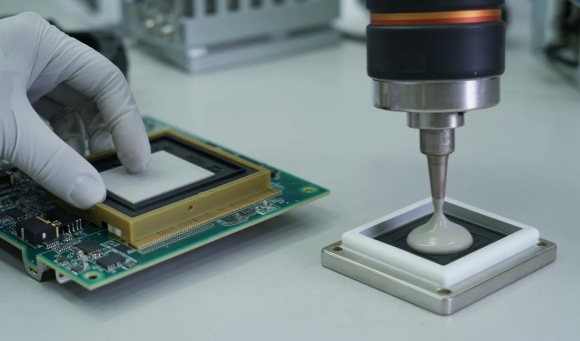
Applying more grease does not improve results. Instead, excess material increases the likelihood of being squeezed out. A controlled bondline thickness—matched to the module design—keeps pressure uniform and minimizes movement.
5.3 Improve Joint Design and Pressure
Assembly considerations are equally important. Consistent mounting torque ensures the interface is evenly compressed, while smoother surface finishes reduce localized pressure points that drive grease out. Even simple improvements in fixture design can change the outcome.
5.4 Use Alternative TIMs When Needed
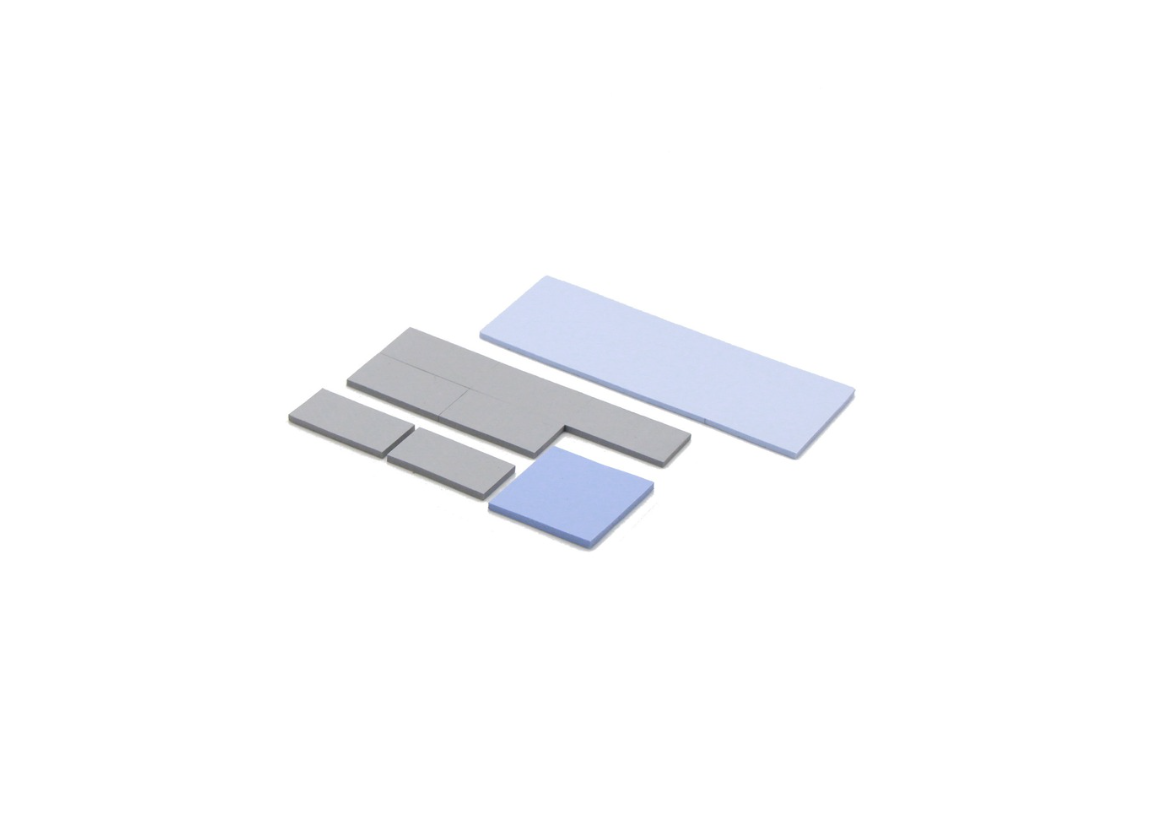
For applications exposed to extreme thermal cycling or shock, switching material class may be beneficial. Phase-change materials offer excellent stability once melted and set. Thermal pads or gels provide mechanical compliance and often deliver better retention under movement.
Selecting the Right TIM for Pump-Out–Sensitive Applications
When evaluating materials, engineers should look beyond initial thermal conductivity. Properties such as viscosity, pump-out rating, stress relaxation behavior, and compatibility with expected operating cycles all influence long-term performance.
Validation testing is essential. Thermal cycling, vibration endurance, and long-term aging tests provide insights into how the interface will behave in the field. Including these assessments early in the design phase helps identify the right solution before hardware is released.
Final Thoughts
Pump-out may appear subtle, but its impact on temperature stability and electronics reliability is significant. Addressing the issue through smarter material selection, better assembly control, and appropriate testing helps safeguard performance. Engineers who factor TIM behavior into their prototypes and simulations can avoid costly failures later.
Call-to-Action
If your application is sensitive to pump-out or reliability risk, consider conducting interface testing or requesting sample materials suited for your design needs. Our team is available to discuss suitable thermal solutions and support evaluation work for development projects.