Welcome to Taxo Tape
Thermally Conductive Copper Foil Applications in Solar and Battery Systems
Introduction
In modern energy systems, heat management plays a critical role in maintaining efficiency and reliability. As solar power modules and high-density battery packs become more compact, managing heat effectively is no longer optional—it is essential.
Among various materials used for thermal management, thermally conductive copper foil stands out for its exceptional thermal conductivity, electrical performance, and structural stability.
This article explores how copper foil is applied in solar and battery systems, the benefits it brings, and what engineers should consider when selecting it.
Why Copper Foil Matters in Heat Management
Copper has a thermal conductivity of around 400 W/m·K, which is significantly higher than aluminum or graphite composites.
In both photovoltaic (PV) modules and battery energy storage systems (BESS), copper foil acts as a key medium to:
Dissipate heat from high-power components such as cells, inverters, or busbars
Equalize temperature across layers, preventing local hot spots
Improve electrical connection and reduce resistance losses
Enhance reliability under thermal cycling and vibration
Unlike typical heat spreaders, copper foil combines thermal, electrical, and mechanical advantages in one compact form.
Applications in Solar Systems
2.1 PV Module Backplane Heat Spreading
In solar modules, copper foil is often laminated beneath solar cells or integrated within the backplane to improve heat dissipation. This helps reduce cell junction temperature, maintain stable efficiency, and extend module lifespan.
2.2 Inverter and Power Electronics Cooling
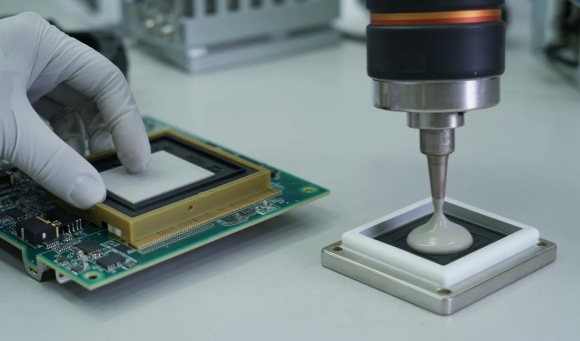
Copper foil is also used as a heat spreader or interface layer in solar inverters, DC/DC converters, and junction boxes. When combined with thermal interface materials (TIMs) such as conductive adhesives or gap fillers, it ensures reliable heat transfer from power semiconductors to heatsinks.
Applications in Battery Systems
3.1 Cell-to-Busbar Thermal Connection
In lithium battery packs, copper foil is widely applied as a current collector or as part of the busbar interconnection. Beyond conductivity, it acts as a thermal bridge, distributing heat evenly between cells and minimizing temperature gradients.
3.2 Battery Pack Thermal Management Layer
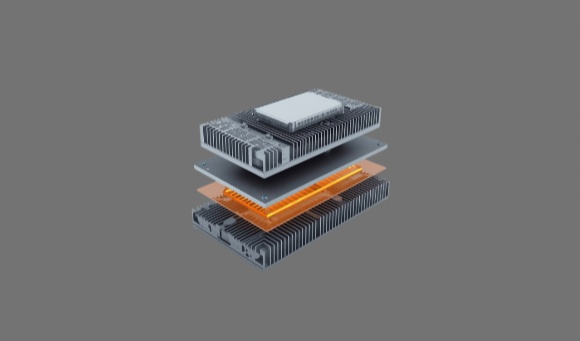
When used together with thermal pads, phase change materials, or graphite films, copper foil enhances overall thermal spreading within EV battery packs or energy storage modules. This contributes to better cell temperature uniformity, reducing the risk of thermal runaway.
Advantages Over Other Heat Spreader Materials
| Property | Copper Foil | Aluminum Foil | Graphite Film |
|---|---|---|---|
| Thermal Conductivity (W/m·K) | ~400 | ~200 | 400–1500 (anisotropic) |
| Electrical Conductivity | Excellent | Good | Limited |
| Mechanical Strength | High | Medium | Low |
| Processability | Solderable, bondable | Weldable | Fragile |
| Heat Spreading Direction | Isotropic | Isotropic | Mostly in-plane |
Copper foil provides isotropic heat conduction, superior bonding flexibility, and higher durability compared to fragile graphite films or low-cost aluminum foils.
Material Selection Guidelines for Engineers
When specifying copper foil for solar or battery systems, engineers should evaluate:
Thickness and flexibility (e.g., 12–70 μm for lamination or flexible circuits)
Surface treatment (bare, coated, or laminated with insulation layer)
Corrosion resistance under humidity or voltage bias
Compatibility with adhesives, encapsulants, or TIMs
Thermal cycling reliability and mechanical fatigue performance
The optimal choice often depends on the system’s power density, assembly method, and environmental exposure.
Future Trends
As renewable energy and e-mobility expand, copper foil is evolving toward thinner, more flexible, and coated forms. Integration with polyimide films or graphene coatings further enhances heat spreading and oxidation resistance.
Engineers are increasingly exploring hybrid copper–graphite laminates that combine isotropic and anisotropic thermal conduction—offering both flexibility and superior performance.
Conclusion
Thermally conductive copper foil plays a vital role in solar energy and battery applications, ensuring reliable heat dissipation, electrical performance, and long-term stability.
By choosing the right copper foil configuration and pairing it with appropriate thermal interface materials, system designers can significantly improve efficiency, safety, and lifespan in next-generation energy systems.