Welcome to Taxo Tape
Thermal Pads for Power Semiconductors: Key Features for Efficient Cooling
Introduction
Power semiconductors are crucial components in modern electronics, especially in applications where high power and efficiency are required. These devices, such as inverters and power modules, play a vital role in energy conversion and distribution systems. However, their performance is heavily dependent on effective thermal management. Without proper cooling, power semiconductors can overheat, leading to reduced efficiency, premature failure, and even system breakdowns.
Efficient cooling helps maintain the temperature of these components within safe operational limits, ensuring long-term reliability and optimal performance. Thermal management becomes even more critical as power densities increase, demanding innovative solutions to dissipate the heat generated by the semiconductors.
One of the most commonly used solutions for thermal management in power semiconductors is thermal pads. These materials are designed to provide a reliable thermal interface between the semiconductor and its heat sink or enclosure, facilitating the efficient transfer of heat. This article will explore the key features of thermal pads specifically designed for power semiconductors and explain their importance in maintaining optimal thermal conditions for high-performance applications.

What Are Thermal Pads for Power Semiconductors?
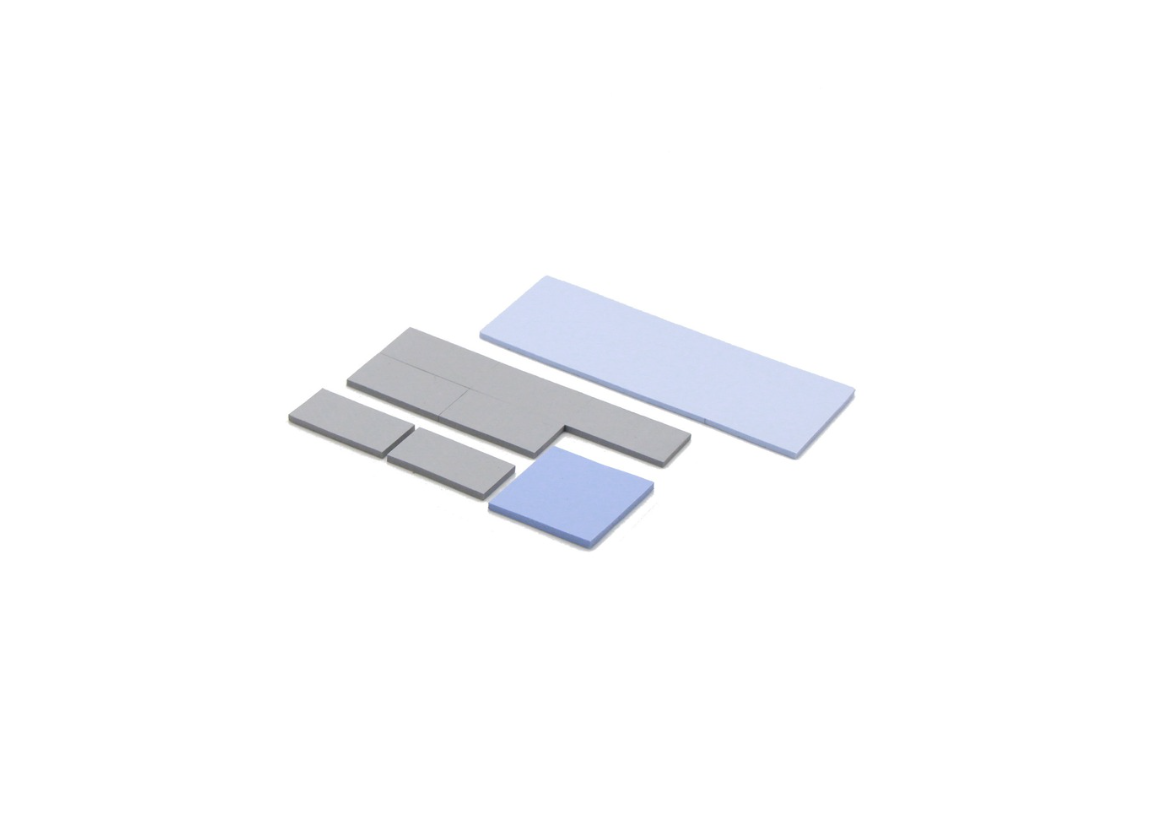
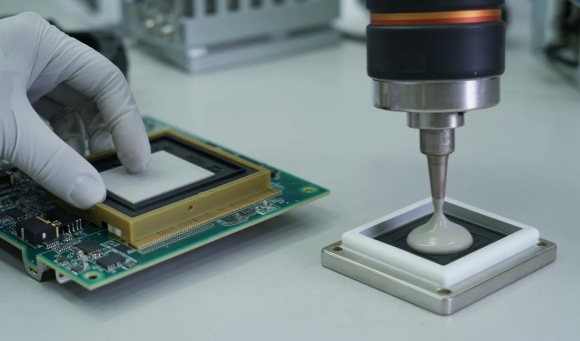
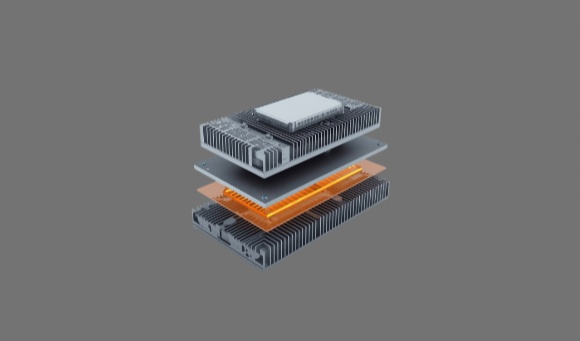
Thermal pads are specialized materials used to bridge the gap between heat-generating components, like power semiconductors, and their heat sinks or other cooling systems. Their primary purpose is to improve the heat transfer efficiency by reducing thermal resistance and ensuring better thermal contact between surfaces.
Types of Thermal Pads
Silicone-based Thermal Pads: These are one of the most commonly used types due to their flexibility, ease of application, and excellent thermal conductivity.
Graphite Thermal Pads: Known for their high thermal conductivity, these pads are ideal for high-performance applications requiring rapid heat dissipation.
Phase Change Materials (PCMs): These materials change their state (from solid to liquid) at a certain temperature, offering dynamic thermal management in situations where temperatures vary.
Thermal pads are part of the broader category of Thermal Interface Materials (TIMs), which include any material designed to enhance heat transfer between components. TIMs like thermal pads are key for efficient cooling, as they fill in microscopic gaps and irregularities between the surfaces of semiconductor components and their heat dissipation systems.
Unlike thermal paste and heat sinks, thermal pads offer distinct advantages. While thermal paste can be messy and difficult to apply precisely, thermal pads provide a cleaner, more user-friendly solution. Heat sinks, on the other hand, rely on passive air cooling and may not be suitable for all power semiconductor applications, especially where space is constrained. Thermal pads offer a versatile, effective alternative by providing consistent heat transfer in a wide range of environments.
Key Features of Thermal Pads for Power Semiconductors
Thermal Conductivity
High thermal conductivity is one of the most important attributes of a thermal pad. Power semiconductors generate substantial heat, and efficient heat dissipation is critical for maintaining optimal performance and preventing overheating. The better the thermal conductivity of a thermal pad, the faster and more effectively heat is transferred away from the semiconductor, ensuring that the device operates within safe temperature limits.
Compression Set Resistance
Thermal pads are often subjected to high pressures during installation, especially when used in compact systems. Compression set resistance refers to the ability of the thermal pad to maintain its shape and performance under constant pressure. A thermal pad with poor compression set resistance may lose its effectiveness over time, reducing its ability to conduct heat efficiently.
Dielectric Properties
Since power semiconductors handle high voltages, it’s crucial that thermal pads offer electrical insulation. Dielectric properties prevent short circuits by ensuring that the thermal pad doesn’t conduct electricity between different components. These properties are essential for protecting the device and enhancing safety, especially in high-power environments.
Thermal Stability
Power semiconductor applications can involve significant temperature fluctuations. Thermal pads must be able to withstand a wide range of temperatures without degrading or losing their thermal properties. This is where thermal stability becomes critical: a thermal pad must maintain its thermal conductivity and mechanical integrity even when exposed to high or low temperatures for extended periods.
Material Composition
The material used in thermal pads plays a significant role in their overall performance. Common materials used include silicone for its flexibility, graphite for its superior conductivity, and phase-change materials for dynamic temperature regulation. Each material offers unique benefits depending on the specific needs of the power semiconductor application.
Factors to Consider When Choosing Thermal Pads for Power Semiconductors
Application-Specific Requirements
When selecting a thermal pad, it’s essential to consider the specific needs of the power semiconductor application. This includes factors such as the operating temperature, the power output, and the size constraints of the device. A thermal pad designed for one application might not be suitable for another, so it’s crucial to match the thermal pad to the environment in which it will be used.
Compatibility with Other Components
In many power semiconductor systems, components like capacitors, diodes, and inductors are located in close proximity to one another. Choosing a thermal pad that does not interfere with these components is critical to ensuring the overall system’s performance and reliability. Additionally, the thermal pad should be compatible with the material and finish of the surfaces it will be in contact with.
Durability and Longevity
The durability of a thermal pad is directly related to its ability to maintain high thermal performance over time. Since power semiconductors are often used in high-stress environments, it’s essential to select thermal pads that can withstand long-term exposure to high temperatures and mechanical stress without degrading.
Ease of Application
Thermal pads are typically easier to apply compared to thermal paste or other cooling solutions. However, some thermal pads come with adhesive backing or need to be cut to size, which can affect ease of use. It's important to choose a thermal pad that is easy to install in the specific power semiconductor application to avoid costly installation errors or delays.
Advantages of Using Thermal Pads in Power Semiconductor Applications
Consistent Thermal Performance
Thermal pads provide a stable and consistent level of heat dissipation, helping to maintain the optimal temperature range for power semiconductors. This consistency improves the overall performance and reliability of the devices.
Ease of Application and Maintenance
Compared to thermal paste and heat sinks, thermal pads are easier to apply and require less maintenance. Their simple installation process makes them a popular choice in both prototyping and production environments.
Reduced System Downtime and Potential Failure
Using thermal pads can reduce the risk of thermal-related failures, which in turn reduces system downtime. This is particularly important in applications where reliability and continuous operation are critical.
Cost-Effective Cooling Solution
Thermal pads are often more cost-effective than other cooling solutions like heat sinks, making them a practical option for manufacturers looking to keep costs down while maintaining efficient cooling performance.
Common Applications of Thermal Pads for Power Semiconductors
Power Inverters, Electric Vehicles, and Renewable Energy Systems
In power inverters and renewable energy systems, thermal management is essential for the reliable operation of power semiconductors. These applications involve significant power conversion, generating heat that must be dissipated effectively to maintain performance. Thermal pads play a key role in ensuring the safe operation of these devices, particularly in electric vehicles (EVs), where battery and motor controllers require efficient cooling to prevent overheating and ensure long-term durability.
Consumer Electronics and Industrial Machinery
Power semiconductors are widely used in consumer electronics such as computers, smartphones, and home appliances. In these devices, thermal pads provide consistent cooling, preventing performance degradation due to heat buildup. Similarly, in industrial machinery, where power semiconductors are often subject to heavy loads, using the right thermal interface material like thermal pads ensures the longevity and efficiency of machinery.
Automotive Power Electronics, Including Electric Drivetrains
With the rise of electric vehicles, automotive power electronics, such as those used in electric drivetrains, benefit greatly from thermal pads. These components manage the high power requirements of electric motors and batteries, generating substantial heat. By using high-quality thermal pads, manufacturers can prevent excessive heat buildup, improving the efficiency and lifespan of the drivetrain and overall vehicle performance.
Why Quality Matters in Thermal Pads for Power Semiconductors
The Importance of Sourcing from Reliable Suppliers
Choosing thermal pads from reputable suppliers is crucial for ensuring that you receive materials that meet high standards for performance and reliability. Quality suppliers have rigorous testing processes and offer thermal pads that are proven to perform well under the demanding conditions of power semiconductor applications.
Material Certifications and Testing Standards
High-quality thermal pads should be certified to meet industry standards, such as UL (Underwriters Laboratories) for safety or ISO standards for material quality. These certifications ensure that the thermal pads can withstand the operational stresses they will face, from high temperatures to mechanical pressure. Additionally, testing standards like thermal conductivity, compression resistance, and dielectric strength help ensure that the thermal pads perform as expected in real-world applications.
How Poor-Quality Thermal Pads Can Negatively Impact Device Performance
Using subpar thermal pads can result in ineffective heat dissipation, which may cause overheating of power semiconductors. This not only reduces the lifespan of the devices but can also lead to system failures, increased downtime, and potential safety hazards. Low-quality pads may degrade faster, lose thermal properties over time, and fail to provide adequate insulation, all of which can severely compromise the performance and reliability of power semiconductor systems.
Conclusion
Thermal pads play an indispensable role in the effective cooling of power semiconductors, helping to maintain system stability and performance. As power electronics continue to evolve and demand higher efficiency, choosing the right thermal pad is critical for ensuring optimal heat dissipation, preventing overheating, and extending the lifespan of devices.
When selecting a thermal pad, it's essential to consider the specific application requirements, the material's thermal conductivity, and other key features such as compression set resistance and dielectric properties. Investing in high-quality thermal pads from trusted suppliers ensures better performance and long-term reliability in your power semiconductor systems.
Call to Action: Explore our range of thermal pads designed for power semiconductors and discover how we can help you maintain peak performance in your applications. Contact us today for more information or to request a sample.
FAQs
What is the difference between thermal pads and thermal paste?
While both thermal pads and thermal paste are used to improve heat transfer, thermal pads are solid materials that are easier to apply and provide a consistent thickness, while thermal paste is a liquid material that requires careful application. Thermal pads are generally preferred for power semiconductor applications due to their simplicity and reliability.
How do I know if a thermal pad is right for my application?
When selecting a thermal pad, consider the required thermal conductivity, the temperature range of your system, and whether electrical insulation is needed. It’s also important to choose a pad that is compatible with the materials of your power semiconductor and heat sink.
How often should I replace thermal pads?
Thermal pads should be replaced if they show signs of degradation, such as cracking, compression, or loss of thermal conductivity. Regular maintenance and monitoring of the system's temperature will help determine when replacement is necessary.