Welcome to Taxo Tape
Thermal Interface Materials for Telecom Power Systems: Choosing the Right Solutions
Introduction
Growing Power Density in Telecom Infrastructure
Telecom infrastructure has changed significantly over the past decade. With the expansion of 4G, 5G, data-heavy applications, and edge computing, power demands inside communication equipment continue to rise. Modern base stations, rectifier cabinets, and power distribution units are expected to deliver higher output within smaller enclosures.
As a result, power density in telecom systems keeps increasing. Rectifiers, DC/DC converters, and power modules now operate at higher switching frequencies and higher current levels, which inevitably generates more heat in limited space.
Why Thermal Management Is Critical in Telecom Power Systems
Excessive heat directly affects efficiency, component lifespan, and system stability. In telecom power systems, even a small temperature rise at the semiconductor junction can reduce reliability over time.
Unlike consumer electronics, telecom equipment often runs continuously—24 hours a day, 365 days a year. Thermal design is therefore not only about preventing immediate overheating, but about ensuring stable operation over many years.
Poor thermal management can lead to:
Premature failure of power modules
Reduced efficiency
Increased maintenance costs
Field service interruptions
For telecom operators, downtime is unacceptable. Thermal reliability is a core design consideration from the beginning.
The Role of Thermal Interface Materials (TIMs) in System Reliability
Between a heat-generating component and a heat sink, microscopic air gaps always exist due to surface roughness and tolerance variations. Air has very low thermal conductivity, which creates unwanted thermal resistance.
Thermal Interface Materials (TIMs) are designed to fill these gaps and create a more efficient heat transfer path. A properly selected TIM can significantly reduce interface resistance and lower junction temperature.
In telecom power systems, TIMs must do more than conduct heat. They must maintain stable performance under long-term thermal cycling, mechanical stress, and environmental exposure.
What This Article Will Help You Understand
This article explains:
The main thermal challenges in telecom power systems
The key performance requirements for TIMs in telecom applications
The different types of thermal interface materials commonly used
Practical considerations when selecting the right solution
The goal is to provide a clear technical framework for evaluating thermal materials in telecom environments.
Thermal Challenges in Telecom Power Systems
2.1 High Power Density and Compact Design
Modern telecom power systems integrate multiple high-power components within compact enclosures. Typical heat sources include:
Rectifiers
DC/DC converters
IGBT or MOSFET-based power modules
Control and protection circuits
As power density increases, the thermal margin becomes smaller. At the same time, many telecom cabinets are designed to minimize size and weight, which limits the available heat dissipation area.
In sealed or outdoor enclosures, airflow is often restricted. Natural convection may be the primary cooling method, especially in passive or fanless designs. This makes efficient heat transfer from device to heat sink even more critical.
2.2 Harsh Operating Environments
Telecom systems are frequently deployed outdoors. Base stations may operate on rooftops, towers, or remote locations where environmental conditions are challenging.
Typical stress factors include:
Wide temperature ranges, often from -40°C to +85°C or higher
High humidity
Dust and airborne contaminants
Direct sunlight exposure
Under these conditions, thermal interface materials must remain stable without cracking, hardening, or losing thermal performance.
Outdoor equipment also experiences daily temperature cycling. Expansion and contraction can create mechanical stress at the interface between components and heat sinks.
2.3 Long Service Life Requirements
Telecom infrastructure is designed for long-term operation. A service life of 10 to 15 years is common for power systems.
During this period:
Maintenance opportunities are limited
Access to remote sites may be difficult
Replacement costs can be high
TIMs must therefore maintain consistent performance over extended periods. Thermal cycling resistance is particularly important. Repeated heating and cooling can cause material fatigue, pump-out, or delamination if the wrong material is selected.
Long-term stability is often more important than initial thermal conductivity values.
Key Requirements for Thermal Interface Materials in Telecom Applications
3.1 Stable Thermal Conductivity Over Time
A material may show excellent conductivity in laboratory testing, but performance stability over years of operation is the real challenge.
Long-term reliability depends on:
Resistance to pump-out under thermal cycling
Resistance to dry-out at elevated temperatures
Consistent compression behavior
In vertical mounting or vibration-prone environments, some materials may gradually migrate away from the interface. Selecting materials designed for long-term stability reduces this risk.
3.2 Low Volatility and Outgassing
In sealed telecom enclosures, volatile components released from materials can accumulate over time. Outgassing may contaminate sensitive electronics, optical components, or connectors.
Low-volatility TIMs help:
Maintain clean internal environments
Protect nearby components
Improve overall system reliability
This is especially important in high-temperature applications where material volatility can increase.
3.3 Electrical Insulation vs. Electrical Conductivity
Many power modules require electrical insulation between the device and the heat sink. In these cases, the TIM must provide sufficient dielectric strength.
Key considerations include:
Breakdown voltage
Volume resistivity
Compliance with safety requirements
In some designs, electrically conductive materials may be used intentionally, but this requires careful grounding and safety evaluation.
Choosing the correct electrical properties is just as important as thermal performance.
3.4 Mechanical Compliance and Gap-Filling Ability
Surface flatness in real-world assemblies is never perfect. Tolerance stack-up between PCB, module, and heat sink can create gaps of varying thickness.
A suitable TIM must:
Conform to surface irregularities
Compensate for tolerance variations
Maintain good contact under limited clamping force
If the material is too hard, it may not fill micro-gaps. If it is too soft, it may experience excessive compression set over time.
Balancing thermal conductivity with mechanical compliance is critical in telecom power assemblies.
3.5 Flame Retardancy and Safety Standards
Telecom equipment must meet strict safety requirements. Materials used inside power systems often need to comply with flammability standards such as Underwriters Laboratories (UL) classifications, including UL94 ratings.
Flame-retardant properties reduce fire risk in high-power systems. Compliance with telecom and electrical safety standards is essential for market acceptance and certification.
Types of Thermal Interface Materials Used in Telecom Power Systems
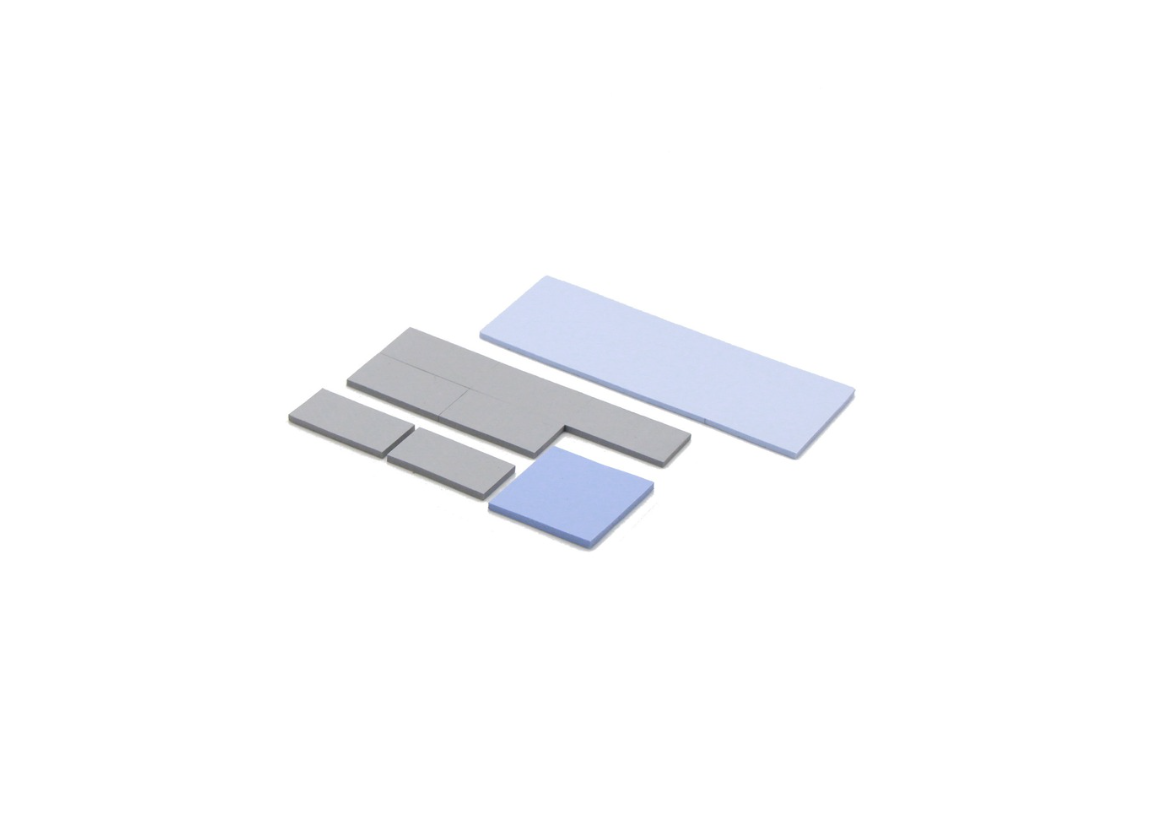
4.1 Silicone Thermal Pads
Silicone thermal pads are widely used due to:
Ease of handling
Clean assembly
Good electrical insulation
Reliable gap-filling capability
They are suitable for power modules, rectifiers, and heat sink interfaces where moderate gaps need to be filled. Pre-cut pads also simplify production and maintenance.
4.2 Low-Volatility Thermal Pads
In sealed telecom enclosures, low-volatility formulations are preferred. These materials are designed to minimize oil bleed and outgassing over long periods.
They are particularly important in outdoor cabinets exposed to high temperatures, where standard pads may gradually lose stability.
4.3 Thermal Gap Fillers (1K / 2K)
Dispensable gap fillers are commonly used when:
Gap thickness is large
Automated production is required
Complex geometries are involved
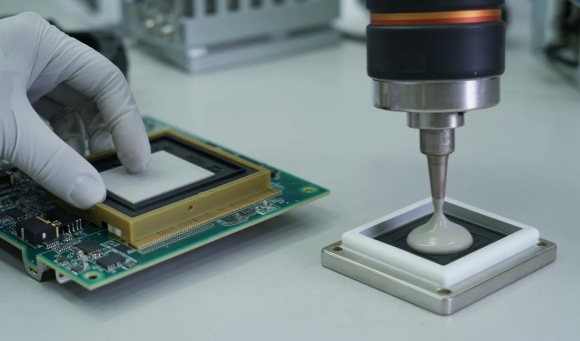
One-component (1K) and two-component (2K) systems can be applied through automated dispensing equipment, making them suitable for high-volume manufacturing.
They provide excellent conformity but require controlled curing and process management.
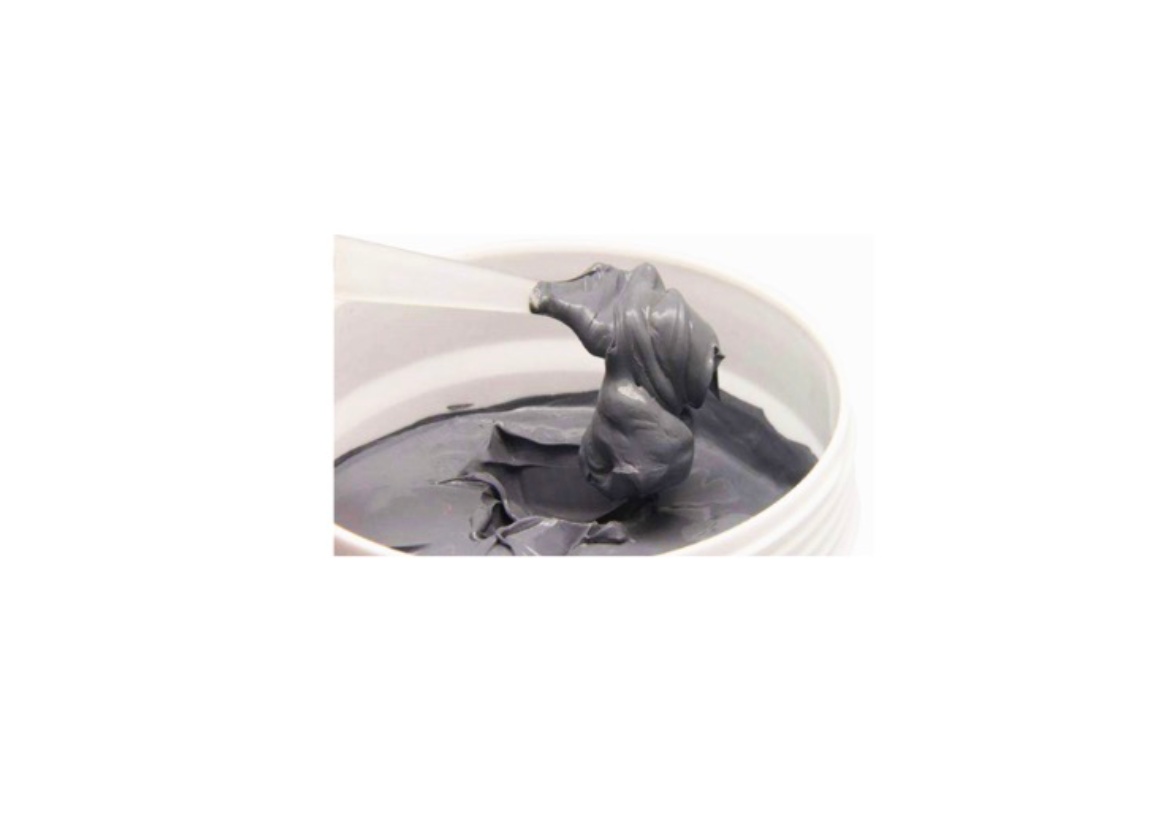
4.4 Thermal Grease and Paste
Thermal grease offers very low interface resistance and high thermal performance. It is often used in applications where maximum heat transfer is required.
However, grease may present challenges such as:
Pump-out under thermal cycling
Handling and cleanliness issues
Limited long-term stability in vertical mounting
In telecom systems with long lifecycle requirements, careful evaluation is necessary before selection.
4.5 Phase Change Materials (PCM)
Phase change materials soften or partially melt at operating temperature, allowing them to flow and fill micro-gaps.
They offer:
Low initial interface resistance
Clean handling in solid form
Controlled flow during operation
PCM can be effective when interface flatness is relatively good and clamping pressure is consistent.
4.6 Graphite Sheets
Graphite sheets are primarily used for in-plane heat spreading rather than gap filling. Their high in-plane thermal conductivity helps distribute localized heat across a larger area.
They are most effective when:
Hot spots need to be spread before reaching a heat sink
Space constraints limit traditional heat spreaders
Thin profile solutions are required
In telecom power systems, graphite sheets are often combined with other TIMs to optimize overall thermal performance.
How to Choose the Right Thermal Interface Material
Selecting a thermal interface material for telecom power systems should follow a structured engineering approach. The highest thermal conductivity value on a datasheet does not automatically translate into the best system performance. Real-world operating conditions, mechanical constraints, and long-term reliability must all be considered.
5.1 Understand Your Heat Path
Before selecting any material, map the complete heat transfer path:
Chip → substrate → baseplate → heat sink → enclosure
Each interface contributes to overall thermal resistance. In many telecom power modules, the dominant bottleneck is not the heat sink itself, but the interface between the module baseplate and the heat sink.
Questions to clarify:
Where is the highest temperature rise occurring?
Is the thermal bottleneck at the chip level or the system level?
Is heat spreading required before heat dissipation?
Understanding the full heat path helps determine whether you need a gap filler, a thin pad, grease, or a heat spreading solution such as graphite.
5.2 Define the Real Gap Thickness
One of the most common design mistakes is over-specifying thermal conductivity without measuring the actual gap.
Gap thickness is influenced by:
Surface flatness
Tolerance stack-up
Assembly pressure
PCB and mechanical deformation
If the real gap is large (for example, >1 mm), selecting an ultra-high conductivity but very hard material may actually increase interface resistance due to poor conformability.
In many cases, optimizing thickness and compression performance yields better results than simply choosing a higher W/m·K value.
5.3 Balance Thermal Performance and Mechanical Stress
Telecom power modules often have defined limits on mounting force. Excessive compression may:
Warp the PCB
Stress solder joints
Damage semiconductor packages
The selected TIM must perform effectively within the allowable compression range.
A material that requires high pressure to achieve low thermal resistance may not be suitable if the system cannot provide sufficient clamping force.
Balancing thermal conductivity, softness, and compression set behavior is essential for long-term reliability.
5.4 Consider Assembly Process
Material selection should also match the production process.
Manual assembly:
Pre-cut thermal pads are easy to handle
Reduced risk of contamination
Simplified maintenance and replacement
Automated production:
Dispensed gap fillers (1K or 2K) enable precise volume control
Suitable for complex geometries
Consistent repeatability in high-volume manufacturing
Reworkability is another practical factor. Some materials allow easy disassembly and replacement, while others cure permanently and complicate field repairs.
Ignoring process compatibility can increase manufacturing cost and defect rate.
5.5 Evaluate Long-Term Reliability Data
Telecom applications demand long-term stability rather than short-term peak performance.
Key data to review include:
Thermal aging performance at elevated temperature
Thermal cycling test results
Compression set over time
Oil bleed or weight loss data
Thermal cycling tests are particularly important because outdoor telecom systems experience repeated heating and cooling. Materials that perform well initially may degrade under cycling stress.
When possible, review reliability data that simulates real operating conditions rather than relying only on room-temperature specifications.
Common Mistakes in Telecom Thermal Design
Even experienced engineering teams can overlook critical factors when selecting thermal interface materials.
1. Selecting the highest conductivity value without considering compression
A 12 W/m·K material may perform worse than a 6 W/m·K material if it cannot conform properly under limited mounting pressure.
2. Ignoring pump-out in vertical mounting
In vertically mounted systems, grease or soft materials may migrate over time due to thermal cycling and gravity. This increases interface resistance gradually.
3. Not considering long-term volatility
Oil bleed or outgassing may not be visible during initial validation but can cause contamination in sealed cabinets after prolonged high-temperature exposure.
4. Underestimating environmental impact
Humidity, dust, UV exposure, and wide temperature ranges all influence material stability. A material validated in laboratory conditions may behave differently in outdoor base station environments.
Avoiding these common mistakes reduces field failure risk and improves overall system reliability.
Case-Based Example: Improving Thermal Reliability in a Telecom Power Module
To illustrate the engineering approach, consider a telecom rectifier module operating in an outdoor cabinet.
Initial Problem
The system showed elevated junction temperatures during high ambient summer conditions. Although the heat sink was properly sized, the module experienced reduced efficiency and occasional thermal protection triggering.
Initial inspection indicated that the interface between the baseplate and heat sink used a standard silicone pad with relatively high hardness.
Evaluation Process
The engineering team performed:
Flatness measurement of the baseplate and heat sink
Gap thickness verification under actual mounting force
Thermal simulation with different interface resistance values
Short-term and cycling temperature testing
Results showed that the effective contact area was lower than expected due to surface unevenness and limited compression force.
Selected Material
Instead of selecting a higher nominal conductivity pad, the team chose a softer, lower-compression thermal pad with stable long-term performance and improved conformability.
The selected material offered:
Adequate dielectric strength
Lower interface resistance under the same clamping force
Improved resistance to compression set during cycling
Result
After implementation:
Junction temperature decreased by several degrees under peak load
Thermal distribution across the heat sink became more uniform
System stability improved during high ambient testing
No pump-out or performance degradation was observed during cycling tests
The improvement came from better interface optimization rather than simply increasing nominal thermal conductivity.
Conclusion
Telecom power systems operate continuously under demanding environmental conditions. Thermal design must focus on long-term stability rather than short-term peak performance.
Selecting the right thermal interface material requires balancing:
Thermal conductivity
Mechanical compliance
Electrical properties
Environmental resistance
Manufacturing compatibility
Early material evaluation, combined with realistic thermal and mechanical testing, significantly reduces the risk of field failures and long-term reliability issues.
In telecom applications, the most effective solution is not always the material with the highest specification, but the one that performs consistently throughout the entire system lifecycle.