Welcome to Taxo Tape
Thermal Interface Materials for Medical Devices: A Comprehensive Guide
Introduction
In the world of medical devices, thermal management is a critical factor in ensuring the proper functioning and safety of equipment. Thermal Interface Materials (TIMs) play a vital role in managing heat transfer between heat-generating components (such as processors, power modules, and batteries) and heat sinks or external environments. Without effective TIMs, medical devices can experience reduced performance, premature failure, or even safety hazards.
TIMs are essential in medical devices, where precision, reliability, and safety are paramount. From wearable devices to diagnostic machines, these materials ensure that the equipment maintains optimal operating temperatures, which is crucial for both the device's longevity and the safety of the patients relying on them.
What Are Thermal Interface Materials?
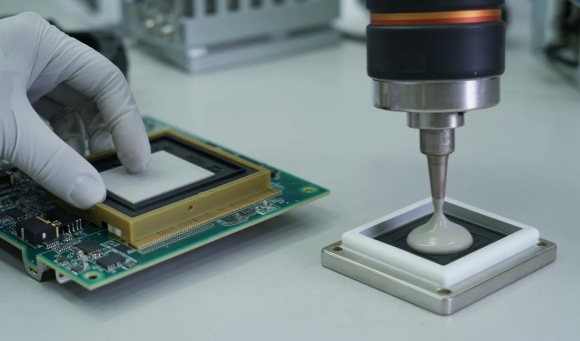
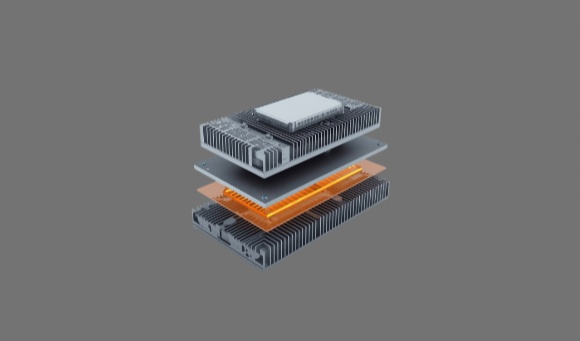
Thermal Interface Materials (TIMs) are materials designed to fill the microscopic gaps between two surfaces, typically between heat-producing components and heat sinks. They facilitate the efficient transfer of heat, improving the overall thermal performance of the device. By providing a more effective thermal path than air, which is a poor conductor, TIMs help manage temperature variations and prevent overheating.
Common Types of TIMs Used in Various Industries
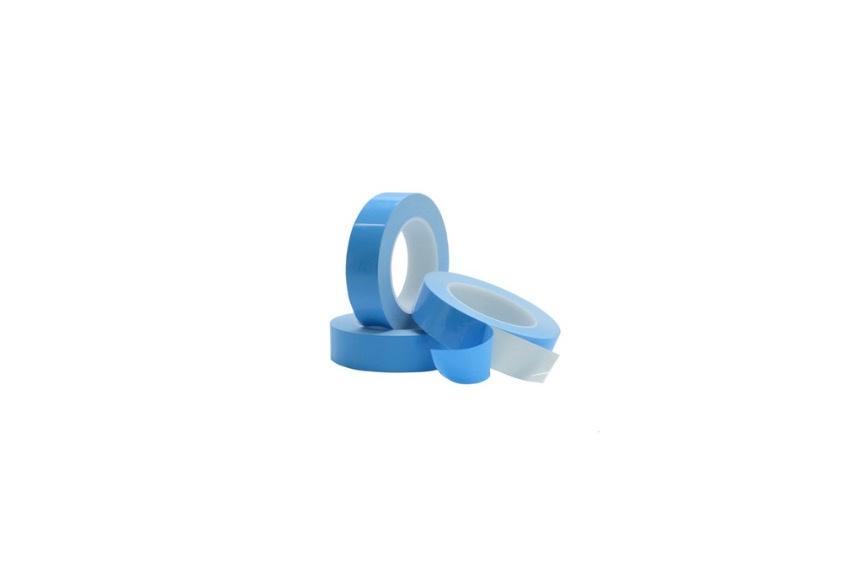
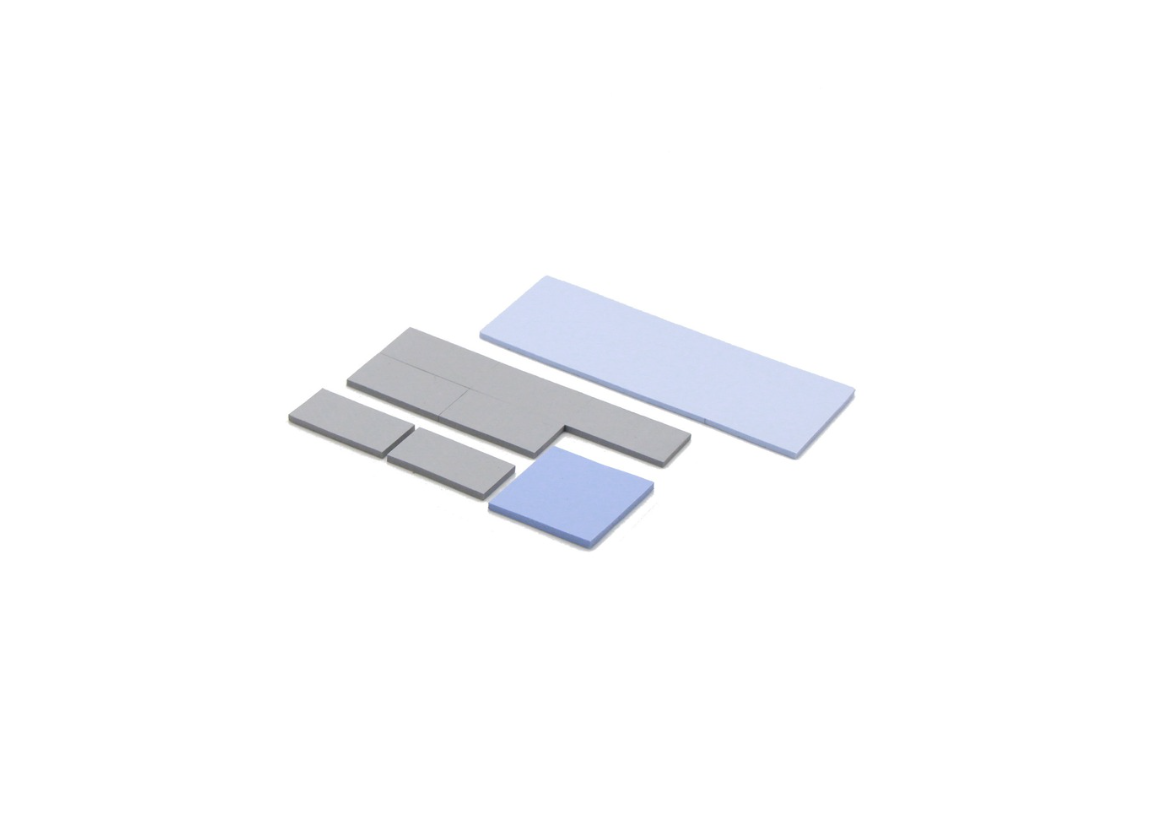
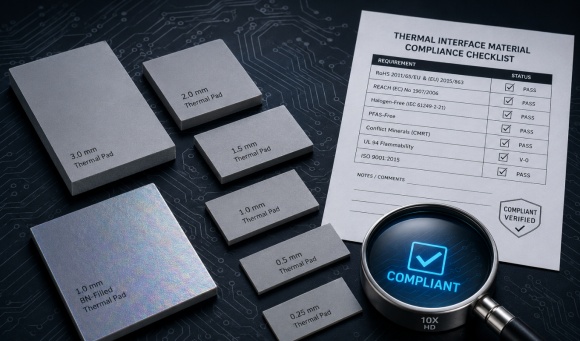
Thermal Pads: Soft, compliant materials used for their ease of application and cost-effectiveness.
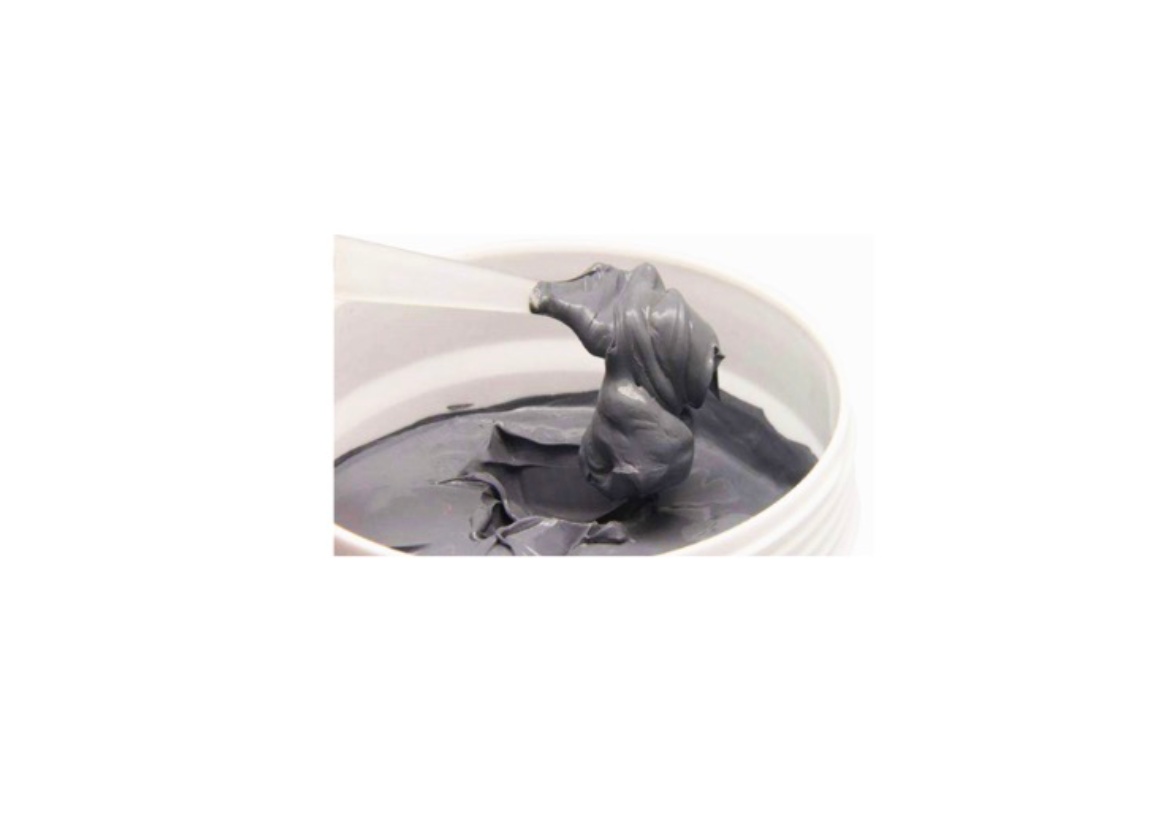
Thermal Greases: Liquids or semi-solids that offer superior thermal conductivity.
Phase Change Materials (PCMs): Materials that change phase at a specific temperature, absorbing or releasing heat to maintain steady temperatures.
Graphite Foils and Films: Used in applications where thin, flexible solutions are needed.
Silicone-based Materials: Known for their durability, flexibility, and biocompatibility, these are often used in medical and electronic devices.
Why TIMs Are Essential for Medical Devices
In medical devices, the importance of TIMs cannot be overstated. Medical devices are typically small, complex systems with powerful components, which generate significant amounts of heat. Without proper heat management, these devices can overheat, malfunction, or suffer from reduced efficiency. Overheating is especially concerning in critical medical applications, where equipment failure could directly affect patient safety.
TIMs ensure that medical devices perform optimally by preventing excessive heat build-up. They contribute to maintaining accuracy in diagnostic tools, extending the lifespan of implantable devices, and ensuring the overall safety and reliability of medical equipment.
Challenges of Heat Management in Medical Devices
The Need for Effective Thermal Conductivity
Medical devices often contain powerful electronics that can generate heat beyond acceptable limits. Effective thermal management is critical for ensuring these devices perform within specified temperature ranges. A high-quality TIM ensures the rapid and efficient transfer of heat, preventing any component from overheating. This is particularly important in diagnostic tools and imaging equipment, where precise and stable performance is needed.
The Delicate Balance of Heat Dissipation and Device Stability
While effective heat dissipation is necessary, it must be balanced with the need for device stability. Many medical devices are compact and require thermal solutions that do not disrupt the design or functionality. Thermal Interface Materials should offer both excellent thermal performance and mechanical stability to avoid compromising the device’s structural integrity.
Risks of Overheating in Critical Medical Equipment
Overheating in medical devices can have severe consequences. For instance, in implantable devices, excessive heat can lead to discomfort, tissue damage, or failure of the device. In diagnostic equipment, overheating may lead to inaccuracies in results, compromising patient care. Therefore, proper thermal management using TIMs is crucial for maintaining the safety, reliability, and performance of medical devices.
Types of Thermal Interface Materials Used in Medical Devices
Thermal Pads: Benefits, Applications, and Specific Use Cases in Medical Devices
Thermal pads are widely used in medical devices due to their ease of application and cost-effectiveness. They are often used in devices that require moderate thermal management, such as portable diagnostic equipment and wearable health monitoring systems. Thermal pads provide excellent compression, which fills gaps and ensures uniform heat transfer, making them ideal for non-critical but high-performance applications.
Thermal Greases: How They Work, Advantages for Medical Applications
Thermal greases, also known as thermal pastes or compounds, are another popular option for medical devices. They provide excellent thermal conductivity and are particularly effective in high-performance devices, such as MRI machines and other imaging equipment. These materials offer superior heat transfer properties due to their ability to fill in microscopic surface gaps more effectively than pads. However, they require careful application to prevent mess or leakage.
Phase Change Materials (PCMs): Role in Maintaining Optimal Device Temperature
Phase change materials (PCMs) are designed to absorb and release heat as they change from solid to liquid or vice versa. This makes them ideal for maintaining a steady temperature range in medical devices that may experience fluctuating heat levels. PCMs are especially useful in wearables and implantables, where maintaining a consistent temperature is crucial for device functionality and patient comfort.
Graphite Foils and Films: Efficiency and Flexibility for Compact Medical Devices
Graphite foils and films are often chosen for their high thermal conductivity and flexibility. These materials are perfect for compact, lightweight medical devices that require efficient heat dissipation without adding significant bulk. They are commonly used in wearable devices and portable medical instruments that require efficient thermal management in tight spaces.
Silicone-based Materials: Performance, Durability, and Biocompatibility in Medical Environments
Silicone-based TIMs are particularly suitable for medical applications because they offer both high performance and biocompatibility. Silicone materials are durable, flexible, and resistant to a wide range of environmental conditions. They are widely used in medical devices that come into direct contact with the skin or other sensitive areas, such as wearable health devices, implantable sensors, and diagnostic equipment. Their ability to withstand high temperatures and maintain performance over time makes them a go-to choice in the medical field.
How to Choose the Right Thermal Interface Material for Your Medical Device
Selecting the right Thermal Interface Material (TIM) for a medical device is essential to ensure the device's efficiency, safety, and longevity. When making this decision, several key factors must be considered:
Factors to Consider: Thermal Conductivity, Application Temperature Range, Mechanical Properties, and More
Thermal Conductivity: The primary function of TIMs is to efficiently transfer heat away from sensitive components. Choose a TIM with high thermal conductivity if your device generates a significant amount of heat, such as in diagnostic imaging or high-power medical systems.
Application Temperature Range: Consider the operating temperature of your device. Some TIMs perform well only within a certain temperature range. For medical devices exposed to extreme conditions, such as implants or portable monitoring systems, it's crucial to select materials that can maintain their thermal properties across the device's entire temperature operating range.
Mechanical Properties: The TIM should be able to endure the mechanical stress of the device’s operating environment. For instance, silicone-based materials offer flexibility, while graphite foils provide both durability and high conductivity for compact devices.
Biocompatibility and Regulatory Considerations for Medical Applications
In medical device manufacturing, biocompatibility is a critical consideration. The TIM must meet the required safety standards to avoid causing adverse reactions when in contact with the human body. Medical-grade materials such as silicone, for instance, are biocompatible and widely used in implantables and wearables. Additionally, ensuring that the selected TIM complies with industry regulations (such as ISO 10993 or FDA guidelines) is essential for gaining approval and ensuring patient safety.
Customizing TIMs Based on Specific Medical Device Needs
Different medical devices have different thermal management needs.
Imaging Devices: High-performance devices like MRI machines or CT scanners often require TIMs that can handle high power dissipation and maintain precision under demanding conditions.
Wearable Devices: For wearable health devices, TIMs need to be flexible, lightweight, and capable of maintaining thermal stability over long durations.
Diagnostic Tools: Diagnostic equipment may require specialized TIMs that prevent overheating while maintaining compactness and ease of use.
By customizing the TIMs to meet the unique requirements of each device, manufacturers can ensure that they deliver optimal performance and safety.
Innovative Trends in Thermal Management for Medical Devices
Advancements in TIM Technology for Next-Gen Medical Devices
TIM technology is evolving to keep pace with the increasing power requirements of next-generation medical devices. New materials and innovations, such as ultra-thin graphite films and advanced PCMs, are providing better thermal solutions without compromising device size or performance. These innovations are critical as medical devices become smaller and more powerful.
Integration with Wearable Health Monitoring Systems
As wearable medical devices become more prevalent, the integration of advanced TIMs that offer both thermal management and comfort is becoming increasingly important. These devices require materials that are both effective in heat dissipation and flexible enough to ensure patient comfort, especially in long-term wear situations.
Emerging Materials and How They Impact Device Longevity and Performance
The future of TIMs in medical devices is moving towards materials that enhance longevity and reliability. Nanomaterials, flexible thermal films, and self-healing materials are all on the rise, offering better performance and longer device lifespans. These materials can provide the next level of thermal efficiency while helping devices maintain consistent performance over time.
Case Studies: Effective Use of TIMs in Medical Devices
Examples of Successful Implementation in Medical Imaging Devices, Diagnostic Equipment, and Implantable Devices
Medical Imaging Devices: In MRI machines, TIMs like thermal pads and thermal greases ensure efficient heat dissipation, maintaining the accuracy of readings and preventing overheating.
Diagnostic Equipment: In diagnostic tools such as ultrasound machines, TIMs allow the devices to maintain a stable operating temperature, preventing malfunctions and ensuring reliable results.
Implantable Devices: TIMs in pacemakers and other implantable devices help to regulate the temperature of the device, ensuring safe operation within the body.
Highlight Real-World Challenges and How TIMs Solved Them
In one instance, a portable diagnostic device experienced overheating issues, leading to frequent malfunctions. The solution involved replacing the existing thermal material with a higher-conductivity thermal grease, which resolved the overheating and extended the device’s battery life.
Conclusion
The importance of selecting the right Thermal Interface Material cannot be overstated. Effective thermal management ensures that medical devices maintain optimal performance, remain reliable throughout their lifecycle, and safeguard patient safety. By understanding the key factors involved in choosing the right TIM and keeping up with the latest trends in thermal management, manufacturers can significantly enhance their device offerings.
Call to Action: Contact us today to learn more about how our high-performance TIM solutions can meet your medical device needs.