Welcome to Taxo Tape
Thermal Gel for Memory Chips: The Overlooked Hero in GPU Cooling
When discussing graphics card cooling, most people think about fans, heat pipes, or vapor chambers. Yet one small component often gets overlooked—the thermal gel used for memory chips (VRAM). In reality, this soft but critical material plays a decisive role in system stability and overclocking potential.
Whether in 4K gaming, AI rendering, or deep learning applications, a GPU is under constant heavy load. Without proper thermal management, performance can quickly be throttled, no matter how advanced the card may be.
Why GPU Memory Needs Specialized Thermal Gel
VRAM chips generate significant heat during high-frequency operation. If temperatures exceed 95°C, most GPUs trigger automatic downclocking, cutting performance by 15–20%.
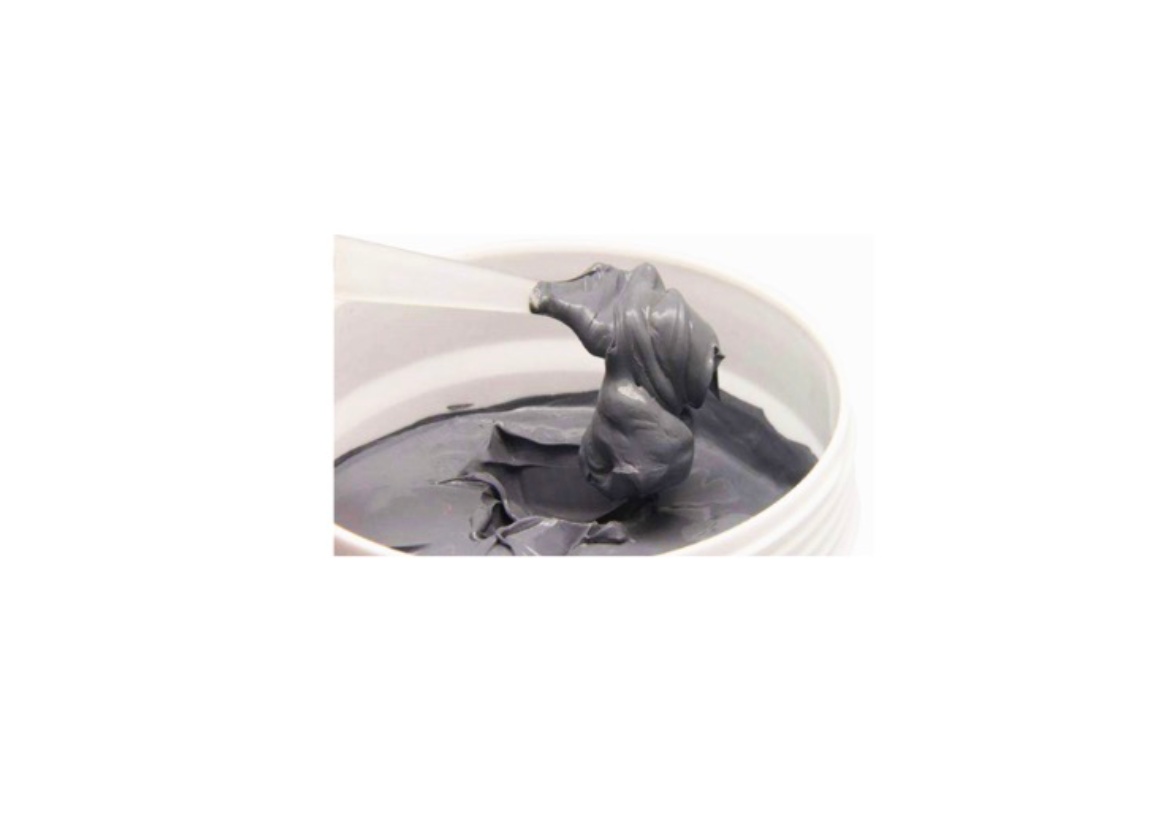
The challenge lies in the microscopic gaps between the memory surface and the heatsink. Ordinary thermal grease struggles to flow into these irregularities, leaving air pockets that block heat transfer. By contrast, thermal gel offers superior plasticity and softness, allowing it to fully conform to the surface. This reduces thermal resistance by more than 30% compared with conventional pastes, ensuring that excess heat is efficiently carried away.
Key Factors in Choosing the Right Thermal Gel
Not all thermal gels are created equal. For GPU memory applications, engineers and enthusiasts should pay attention to:
1. Thermal Conductivity
A range of 5–8 W/m·K is recommended for high-performance graphics cards, ensuring strong heat dissipation.
2. Hardness
Softness is essential to prevent physical stress on capacitors. A hardness rating of 30–50 Shore OO provides optimal balance between flexibility and durability.
3. Temperature Range
The material should withstand extreme conditions, from -40°C up to 200°C, to handle both low-temperature environments and sudden thermal spikes.
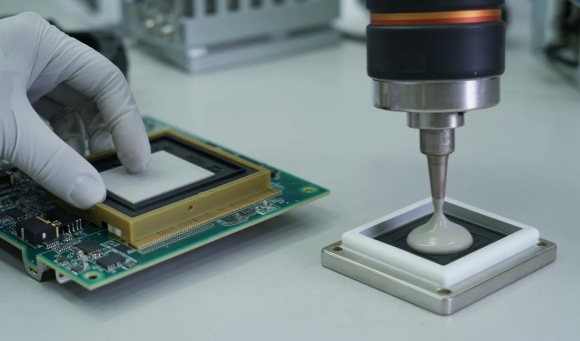
In addition, quality thermal gels often provide excellent electrical insulation, can adapt to compact layouts, and support automated dispensing processes, helping manufacturers improve assembly efficiency.

When and How to Replace GPU Thermal Gel
Over time, factory-applied thermal gel hardens and loses conductivity. After two years of regular GPU use, replacement is often necessary. Overclockers may even check it every six months to maintain peak cooling performance.
The replacement process is straightforward:
Remove the GPU heatsink module.
Clean the old gel from the memory chips with alcohol wipes.
Apply a small bead of new thermal gel (about the size of a grain of rice) on each VRAM chip.
Reinstall the heatsink and allow pressure to spread the gel evenly.
Following this routine helps ensure that VRAM always operates in a safe temperature range, keeping the graphics card reliable while unlocking its full performance potential.
Conclusion
A GPU’s cooling system is only as strong as its weakest link. While fans and heatsinks are essential, thermal gel for memory chips is the hidden safeguard that ensures consistent performance, stability, and long-term durability.
For gamers, AI professionals, and system builders alike, paying attention to this detail can mean the difference between throttled performance and a smooth, powerful experience.