Welcome to Taxo Tape
Thermal Adhesive Tapes for Compact Power Modules: Design Considerations
The Growing Challenge of Thermal Management in Compact Power Modules
As power electronics continue to evolve toward higher efficiency and smaller form factors, managing heat in compact systems has become a growing challenge. Modern applications such as EV inverters, DC/DC converters, and high-efficiency power supplies are designed to deliver more power within tighter spaces. This miniaturization trend inevitably leads to increased power density, which drives up junction temperatures and creates localized thermal stress on critical components.
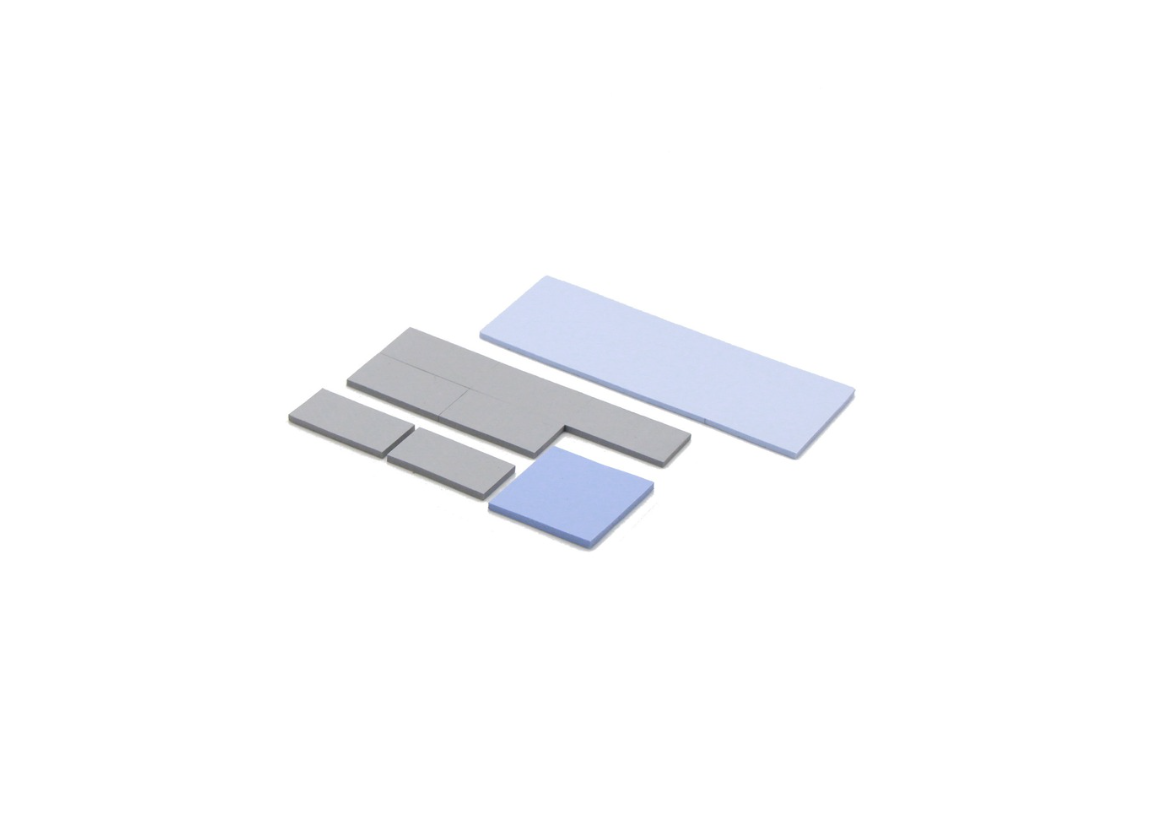
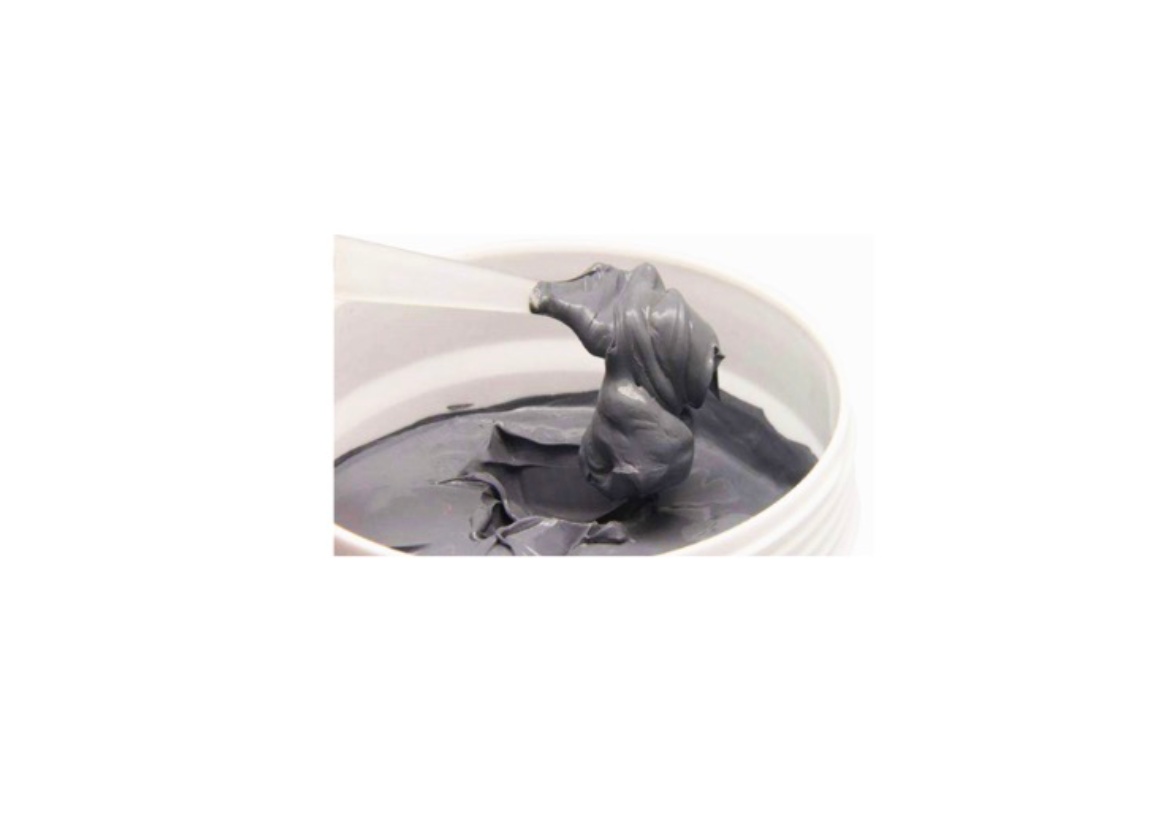
Traditional bonding and thermal management methods—such as screws, thermal greases, or epoxy adhesives—are now reaching their limits. These approaches can introduce inconsistent bondline thickness, variable contact pressure, and uneven thermal paths, all of which lead to unstable long-term performance. As a result, engineers are turning toward solid-state thermal interface materials, especially thermal adhesive tapes, to achieve reliable thermal and mechanical integration in compact module designs.
Why Thermal Adhesive Tapes Are Gaining Popularity
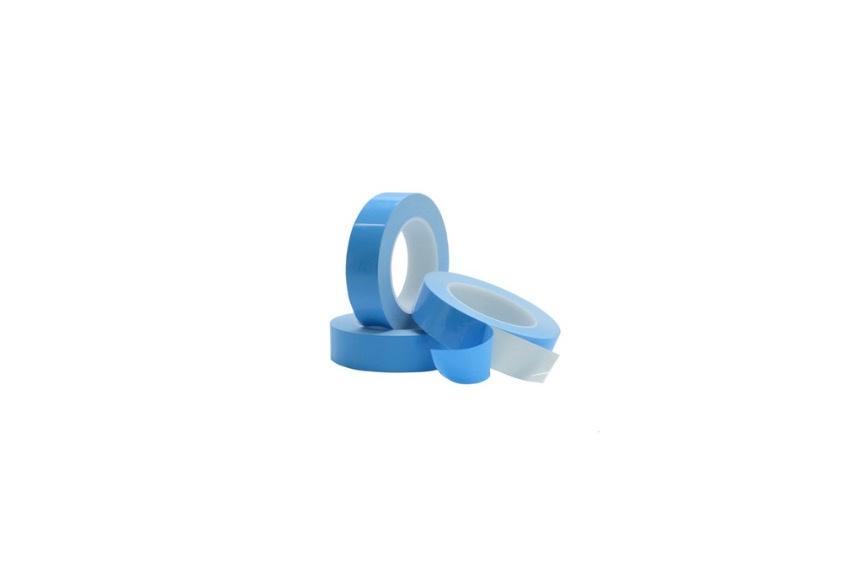
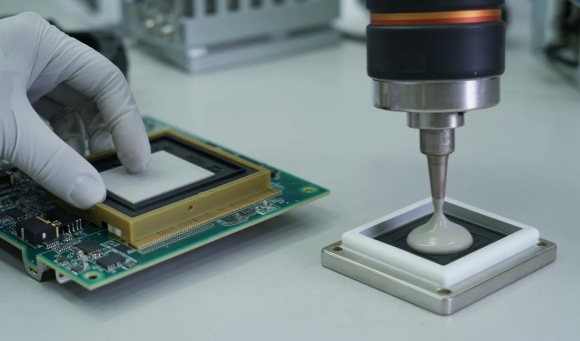
Thermal adhesive tapes are emerging as a preferred solution for compact power module assembly due to their dual functionality—providing both thermal conduction and structural bonding in a single layer. Unlike thermal grease or paste, tapes deliver a clean, dry, and controllable application process.
Their consistent bondline thickness ensures predictable thermal performance and eliminates air gaps that can increase interface resistance. The self-adhesive nature of these tapes enables fast, precise placement without the need for additional curing steps, simplifying both manual and automated production lines.
Furthermore, using thermal adhesive tapes can reduce rework, minimize contamination, and enable automated lamination processes, making them highly suitable for mass production environments where assembly speed and repeatability are crucial.
Key Design Considerations for Engineers
1. Thermal Conductivity and Interface Resistance
Thermal performance is the first factor engineers evaluate when selecting a tape. Most silicone-based thermal adhesive tapes offer conductivities ranging from 0.8 to 3.0 W/m·K, depending on filler composition and adhesive formulation.
In compact modules, bondline thickness and compression pressure directly affect thermal impedance. A thinner bondline improves heat transfer but may compromise insulation or adhesion if not properly balanced. To optimize performance, designers should ensure uniform surface pressure and consider incorporating heat-spreading layers or copper substrates to dissipate hot spots efficiently.
2. Dielectric Strength and Electrical Isolation
In high-voltage applications such as SiC or GaN-based power systems, dielectric strength is as critical as thermal conductivity. Thermal adhesive tapes can serve as both a thermal interface and an electrical insulator, preventing short circuits between the device and heat sink.
However, a thicker insulation layer increases the thermal path length, which can reduce overall heat dissipation efficiency. Engineers must find the optimal balance between insulation thickness and thermal resistance, typically by selecting advanced polymer matrices with high dielectric breakdown voltage and low thermal impedance.
3. Adhesion Strength and Mechanical Reliability
A thermal adhesive tape must maintain adhesion under various mechanical and environmental stresses. Key parameters include shear strength, peel strength, and cohesive integrity.
In real-world applications, tapes are exposed to vibration, humidity, and thermal cycling, especially in automotive and industrial systems. Premium silicone-based tapes maintain stable adhesion even after long-term exposure to high temperature and humidity, ensuring that thermal contact remains consistent throughout the product’s lifetime.
4. Process Compatibility and Assembly Efficiency
From a manufacturing standpoint, thermal adhesive tapes are highly adaptable. They are compatible with aluminum baseplates, FR-4 boards, ceramic substrates, and other common module materials.
The ability to die-cut and pre-laminate tapes into custom shapes allows precise alignment during assembly. These tapes are also automation-ready, supporting pick-and-place and roll-to-roll lamination systems, which enhance productivity and reduce labor costs.
Case Example: Applying Thermal Adhesive Tape in a Compact DC/DC Converter
A power supply manufacturer developing a compact DC/DC converter faced repeated issues with uneven grease application and time-consuming screw mounting. To improve consistency and assembly speed, the company replaced the grease-and-screw combination with a thermally conductive adhesive tape.
The result was a significant reduction in assembly time, with automated tape lamination cutting process steps by over 30%. Thermal simulation and testing showed a temperature drop of up to 5–7°C on critical components, leading to improved reliability and reduced thermal cycling stress.
Additionally, the production environment became cleaner and more stable, with fewer rework incidents and more consistent module-to-module performance. This case demonstrates how a properly selected thermal adhesive tape can enhance both thermal performance and manufacturing efficiency in compact power systems.
Selecting the Right Thermal Adhesive Tape
Choosing the right thermal adhesive tape requires balancing thermal, electrical, and mechanical properties based on the target application. Among the available options, silicone-based and acrylic-based adhesive systems are the two most common types used in power module assemblies. Each system has its own performance profile and should be selected according to the module’s thermal load, operating environment, and assembly process.
| Property | Silicone Adhesive System | Acrylic Adhesive System |
|---|---|---|
| Thermal Conductivity | 0.8 – 3.0 W/m·K (higher potential with ceramic fillers) | 0.5 – 1.5 W/m·K |
| Dielectric Strength | Excellent (suitable for SiC/GaN insulation) | Good, varies by formulation |
| Bond Strength | Moderate to high, flexible over time | Very high initial adhesion |
| Reworkability | Easy to reposition or remove | More permanent; limited rework |
| Operating Temperature Range | -40°C to +180°C | -20°C to +120°C |
| Long-Term Reliability | Stable under heat and humidity | May harden or lose adhesion at high temperature |
| Application Examples | EV inverter modules, DC/DC converters, battery packs | Consumer power devices, general industrial electronics |
Selection Checklist for Engineers
When selecting a thermal adhesive tape, consider the following criteria to ensure optimal system performance:
Thermal Conductivity – Match the heat dissipation requirement of your power density level.
Dielectric Breakdown Voltage – Ensure sufficient insulation between high-voltage and grounded surfaces.
Bond Strength – Evaluate adhesion to metals, ceramics, and PCB materials under vibration or cycling.
Reworkability – For prototypes or design iterations, select materials that allow easy removal without residue.
Operating Temperature Range – Verify performance stability across expected environmental and operating conditions.
By systematically evaluating these factors, engineers can identify the most appropriate material that ensures both thermal efficiency and mechanical integrity within compact module designs.
Conclusion
As power modules become more compact and thermally demanding, the role of thermal adhesive tapes extends far beyond simple bonding. These materials now serve as critical enablers for both efficient heat dissipation and reliable mechanical stability in modern power electronics.
Selecting the right tape involves more than checking a conductivity value—it requires a holistic understanding of thermal paths, dielectric protection, assembly compatibility, and process control.
Through proper material evaluation and testing, engineers can significantly enhance product performance while simplifying the assembly process. Collaborating with an experienced material supplier helps ensure accurate material matching, customized die-cut solutions, and consistent long-term reliability.