Welcome to Taxo Tape
The Role of TIMs in Electric Vehicle Powertrain Cooling
Introduction
As the automotive industry continues to shift towards sustainability and innovation, Electric Vehicles (EVs) are becoming an increasingly dominant force. With the growing need for environmentally-friendly transportation options, EVs offer a promising alternative to traditional internal combustion engine vehicles. The transition to electric power is driven by both the urgent need to reduce greenhouse gas emissions and the advancements in battery technology, allowing EVs to deliver high performance with zero emissions.
A critical component of every electric vehicle is its powertrain, which consists of various interconnected systems responsible for converting electrical energy into mechanical power. This includes essential elements such as the battery, electric motor, inverter, and transmission. The performance of these components directly impacts the vehicle's range, efficiency, and overall driving experience. As EV powertrains become more complex and powerful, the demand for efficient thermal management solutions is also increasing.
Efficient cooling plays a crucial role in maintaining the performance and longevity of the powertrain. Excess heat generated by the battery, motor, and inverter during operation can significantly affect their efficiency and may lead to potential failure. Managing this heat is not just a matter of enhancing performance but also of ensuring the safety and reliability of the vehicle over time.
This is where Thermal Interface Materials (TIMs) come into play. TIMs are specialized materials designed to bridge the thermal gaps between powertrain components and their cooling systems, enhancing heat dissipation and ensuring optimal performance. By improving the thermal conductivity between these components, TIMs ensure that heat is efficiently transferred away from critical parts, thereby enhancing both the lifespan and efficiency of the EV powertrain.

Understanding Powertrain Cooling
An EV's powertrain consists of several key components, each of which generates significant amounts of heat during operation. These components include the battery, electric motor, inverter, and thermal management systems:
Battery: The heart of an EV, responsible for storing and supplying electrical energy to the motor. High-performance batteries generate heat as they charge and discharge, requiring efficient cooling to prevent overheating.
Electric Motor: Converts electrical energy into mechanical energy to drive the vehicle. Like the battery, electric motors generate heat under load, which must be managed to avoid efficiency losses and damage.
Inverter: Converts the DC power from the battery into AC power to drive the motor. This component also generates heat, especially during high load conditions, requiring effective thermal management.
Thermal management in these components is vital to ensure that they function within safe and optimal temperature ranges. Without proper cooling, high temperatures can lead to thermal degradation, reduced efficiency, and ultimately, component failure. Proper cooling also ensures that the vehicle performs at its best, offering a longer range, better energy efficiency, and increased safety for the driver.
One of the common thermal challenges faced by EV powertrain systems is the increasing power density. As battery technologies and electric motors continue to evolve, the amount of heat generated per unit of energy increases, placing a greater strain on thermal management systems. Additionally, maintaining a balance between the cooling efficiency and the overall weight and space of the vehicle remains a persistent challenge.
What Are Thermal Interface Materials (TIMs)?
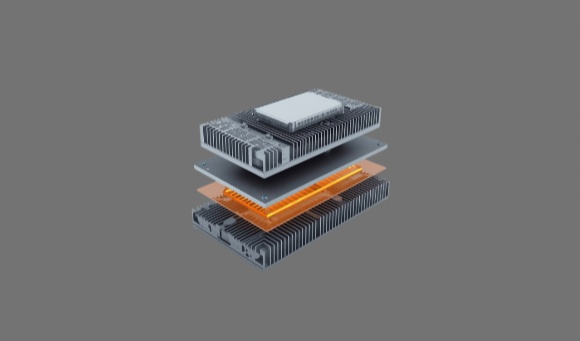
Thermal Interface Materials (TIMs) are substances designed to facilitate heat transfer between two surfaces—typically between a powertrain component (like a battery, motor, or inverter) and a heat sink or cooling system. TIMs improve thermal conductivity by filling in the microscopic air gaps or imperfections between these surfaces, allowing for more efficient heat dissipation.
There are several different types of TIMs, each suited to specific applications within the powertrain:
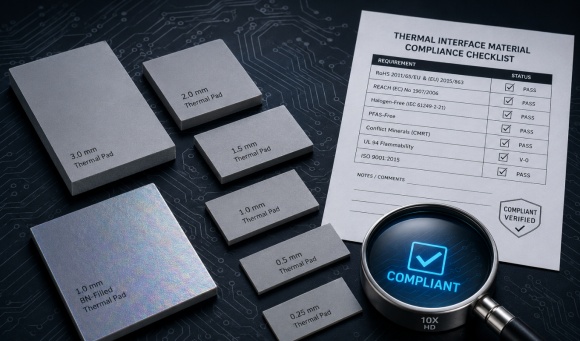
Thermal Pads: These are solid, compressible materials that conform to the surface shapes of the components they are applied to. They are commonly used in battery cooling and inverter applications.
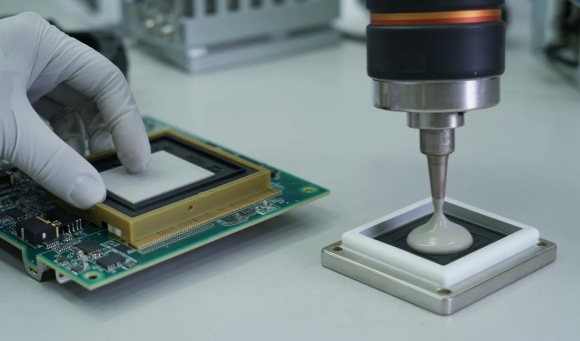
Thermal Pastes: These are liquid-like substances that fill small voids between components. Often used in high-performance applications, thermal pastes are favored for their high thermal conductivity.
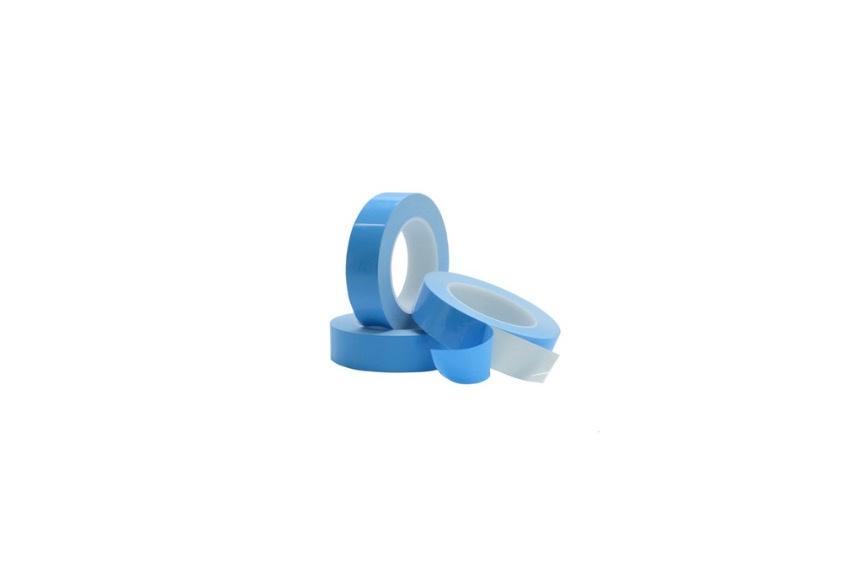
Thermal Tapes: Self-adhesive materials that provide a simple solution for TIM applications where ease of installation is crucial. They are frequently used in components where thermal management needs to be applied quickly.
Each type of TIM offers different advantages depending on the specific requirements of the application, such as thermal performance, ease of installation, or durability under high temperatures.
Selecting the right TIM for a specific powertrain application is essential. Factors such as the thermal conductivity, thermal resistance, operating temperature range, and flexibility of the material must be considered to ensure that the TIM performs effectively under the operational conditions of the powertrain system.
The Role of TIMs in Powertrain Cooling
TIMs play a pivotal role in the cooling of EV powertrains by enhancing the thermal conductivity between various components and their cooling systems. By effectively managing the transfer of heat away from high-temperature areas, TIMs help maintain the temperature within the optimal operating range for each component, ensuring that the powertrain runs efficiently.
The main function of TIMs in powertrain cooling is to facilitate heat transfer from the battery, electric motor, and inverter to the heat sink or other cooling mechanisms. This is particularly important in high-performance EVs, where powertrain components operate at elevated temperatures.
Battery Cooling: TIMs are often applied between the battery cells and cooling plates to ensure uniform heat distribution. Efficient thermal management helps maintain the battery’s capacity, preventing thermal runaway and increasing its lifespan.
Motor and Inverter Cooling: TIMs are also crucial in electric motors and inverters, which generate significant heat during operation. Proper heat dissipation ensures that these components remain within their optimal temperature range, preventing performance degradation and enhancing efficiency.
The benefits of using TIMs in powertrain cooling systems are substantial:
Increased Reliability: By preventing overheating, TIMs help ensure the consistent performance and longevity of powertrain components.
Longer Lifespan: Proper thermal management can prevent thermal degradation, extending the operational lifespan of expensive EV components like the battery and motor.
Improved Energy Efficiency: With more effective cooling, powertrain systems can maintain high levels of performance without the energy losses associated with excessive heat.
Safety: Efficient cooling reduces the risk of fires, explosions, or other thermal-related failures that can occur due to overheating.
TIMs in Battery Cooling Systems
Battery thermal management is one of the most critical aspects of EV performance, as excessive heat can lead to reduced battery life, safety concerns, and compromised vehicle range. TIMs are used to improve the efficiency of battery cooling systems by ensuring that heat generated during charge and discharge cycles is effectively dissipated.
By placing TIMs between the battery cells and the cooling system, manufacturers can ensure uniform temperature distribution and prevent "hot spots" that could cause thermal runaway or other issues. This heat dissipation is essential for maintaining the safety and efficiency of the battery pack.
In real-world applications, companies are increasingly turning to advanced graphite-based thermal pads or phase change materials (PCMs) to improve heat management. These materials change their state at certain temperatures, absorbing heat as they transition to a liquid phase and then releasing it when they solidify, offering a highly effective thermal regulation solution for EV batteries.
TIMs in Electric Motor and Inverter Cooling
In electric vehicles (EVs), the electric motor and inverter are two of the most crucial components responsible for converting electrical energy into mechanical power and controlling power distribution to the motor. Both components generate substantial heat during operation, especially under high loads, and efficient cooling is essential to maintain their optimal operating temperatures.
Thermal Interface Materials (TIMs) are integral to the cooling of these components, ensuring that excess heat is effectively dissipated to prevent overheating, which could lead to performance degradation, reduced lifespan, or even failure.
Common Types of TIMs Used for Motor and Inverter Cooling:
Thermal Pads: These soft, compressible pads are commonly used to bridge gaps between the motor housing or inverter and cooling surfaces, ensuring a consistent heat flow. They provide good thermal conductivity and are easy to install.
Thermal Pastes: Known for their high thermal conductivity, these pastes are often used in scenarios where precise and efficient heat transfer is required, especially in high-performance motors and inverters.
Thermal Tapes: These self-adhesive tapes are ideal for quick and convenient installations, particularly in compact spaces or where a more flexible solution is needed.
Case Study Example:
A leading EV manufacturer utilized thermal pads between the electric motor and cooling fins to improve heat dissipation. The result was a 15% reduction in motor temperature during high-load driving conditions, which translated to increased energy efficiency and motor lifespan.
By using the appropriate TIM, manufacturers can not only improve performance but also reduce the risk of overheating, enhancing the overall safety and longevity of the motor and inverter.
Choosing the Right TIM for Powertrain Cooling
When selecting TIMs for EV powertrain applications, it’s essential to consider several key factors that can influence the effectiveness of thermal management:
Thermal Conductivity: A higher thermal conductivity ensures that heat is transferred more efficiently from the powertrain component to the cooling system.
Flexibility and Conformability: TIMs need to conform to the surfaces of components to ensure optimal contact, especially when dealing with irregular or uneven surfaces.
Durability: TIMs must maintain their performance over the life of the vehicle, withstanding high temperatures, vibrations, and mechanical stresses.
Operating Temperature Range: The TIM must perform well within the expected temperature range of the EV’s components, which can vary depending on driving conditions.
Comparing Various Types of TIMs:
Thermal Pads are ideal for applications where ease of installation and reliable, consistent thermal performance are crucial. They are widely used in motor cooling and battery packs.
Thermal Pastes provide the highest thermal conductivity, making them perfect for high-performance inverters where heat must be rapidly transferred.
Thermal Tapes offer simplicity in installation and are suitable for compact systems, such as inverter cooling.
Tips for OEMs and Manufacturers:
Understand the thermal load of each powertrain component to select the TIM with the appropriate thermal conductivity.
Choose a TIM that complements the component's materials. Some TIMs work better with certain metals or plastics commonly used in EV powertrains.
Consider long-term performance and ensure the TIM’s durability aligns with the vehicle’s expected lifespan, particularly in harsh operating environments.
Challenges and Innovations in TIMs for EVs
While TIMs are essential for efficient powertrain cooling, their application is not without challenges:
Material Degradation: TIMs can degrade over time due to exposure to high temperatures, pressure, and vibration, leading to reduced effectiveness in heat dissipation.
Reliability Under High Temperatures: In high-performance EVs, components like the motor and battery operate under extreme temperatures, which can affect the reliability of TIMs.
Application in Compact Spaces: As EVs become more compact and lightweight, TIMs need to be highly efficient while fitting into smaller spaces without compromising performance.
Ongoing Innovations in TIM technology are addressing these challenges:
Advanced Materials: New formulations, such as graphene-based or phase change materials (PCMs), offer better heat conductivity and durability, even under extreme conditions.
Smart TIMs: Some researchers are developing adaptive TIMs that can change their properties based on temperature changes, optimizing heat transfer dynamically.
As EV cooling technology continues to evolve, the next generation of TIMs will likely feature higher efficiency, longer lifespans, and better performance in increasingly compact powertrain designs.
Conclusion
In summary, Thermal Interface Materials (TIMs) play a critical role in optimizing the thermal management of electric vehicle powertrain systems. By improving heat transfer between components like the battery, motor, and inverter, TIMs help maintain optimal operating temperatures, prevent overheating, and extend the lifespan of key powertrain elements.
As EV technologies advance, choosing the right TIM for each component becomes even more essential for manufacturers aiming to enhance vehicle efficiency, safety, and reliability. OEMs and manufacturers should consider advanced TIM solutions to meet the evolving thermal demands of modern powertrains and stay ahead of the competition.