Welcome to Taxo Tape
Selecting TIMs for Long-Term Reliability Under Thermal Cycling
Introduction: Why Thermal Cycling Challenges TIM Reliability
In modern power electronics and industrial systems, temperature fluctuations are unavoidable. Devices constantly experience start-up and shutdown cycles, load variations, and changes in ambient temperature, all of which cause repetitive expansion and contraction of components. This process — known as thermal cycling — places continuous mechanical stress on the thermal interface material (TIM) layer that bridges heat-generating components and heat sinks.
Over time, these cyclic stresses can cause mechanical fatigue, loss of adhesion, or material displacement, degrading the thermal contact between surfaces. Even a small increase in interface resistance can lead to noticeable temperature rise in critical components such as IGBTs, MOSFETs, CPUs, or LED drivers.
That’s why long-term reliability under thermal cycling conditions is often more important than the initial thermal conductivity value. A TIM that performs well at first but fails after 500 or 1,000 thermal cycles can compromise system reliability and shorten product lifetime.

Understanding Thermal Cycling and Its Effects on Interfaces
Thermal cycling refers to the process of repeatedly exposing materials or assemblies to alternating high and low temperature extremes. In qualification testing, conditions such as –40°C to +125°C are often used to simulate real-world operation over time.
During each cycle, differences in coefficient of thermal expansion (CTE) between metals, ceramics, and polymers generate shear and tensile stresses at the interface. Over many cycles, these stresses cause a series of degradation mechanisms, including:
Pump-out – displacement of grease or gel due to repeated expansion and contraction
Dry-out or bleeding – volatile loss at elevated temperatures, reducing wetting performance
Cracking or delamination – loss of interfacial contact due to fatigue or poor adhesion
These effects lead to increased thermal contact resistance (Rth), uneven heat spreading, and progressive performance drift. If left unchecked, thermal cycling can accelerate component aging and result in early system failure.
Types of Thermal Interface Materials and Their Reliability Behavior
Different TIM technologies respond differently to thermal cycling stress. Understanding their mechanical behavior is crucial when designing for long-term reliability.
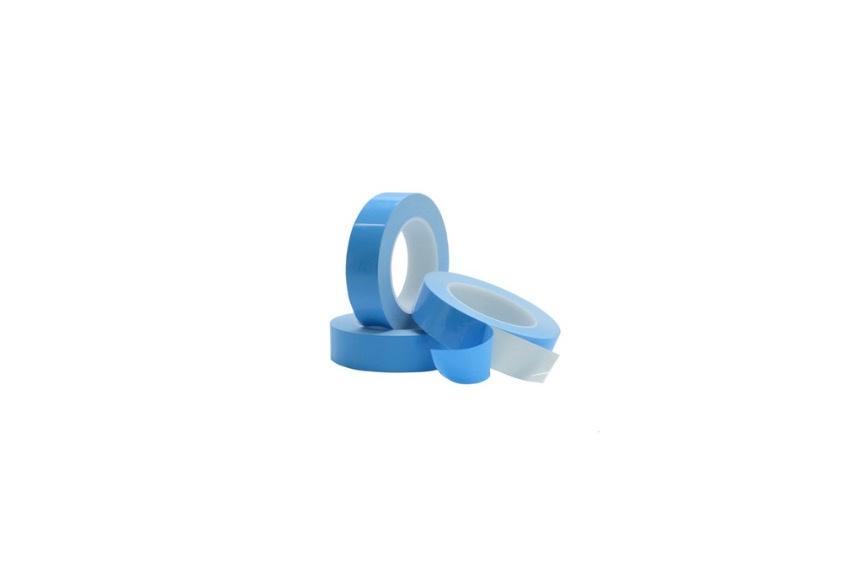
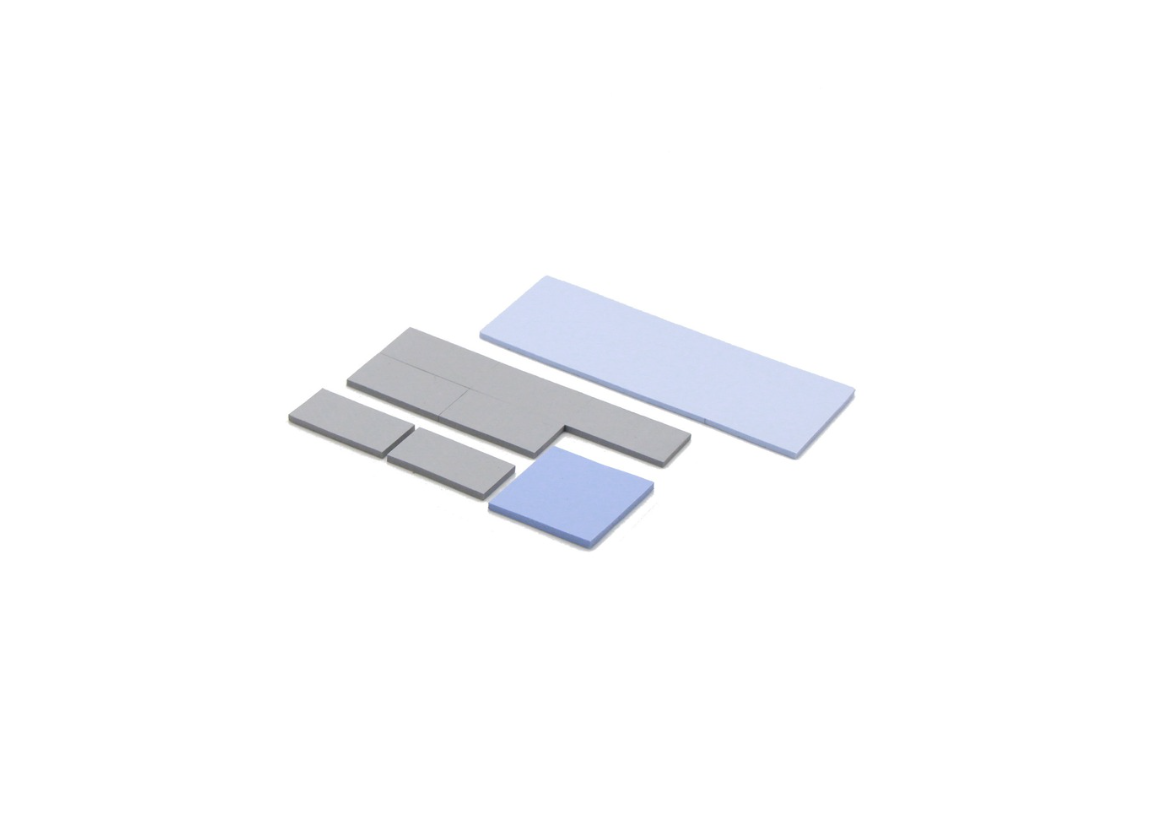
Thermal Pads (Gap Fillers): Soft, elastomer-based pads offer elastic recovery and resist mechanical fatigue. They are ideal for assemblies with moderate cycling and high reworkability.
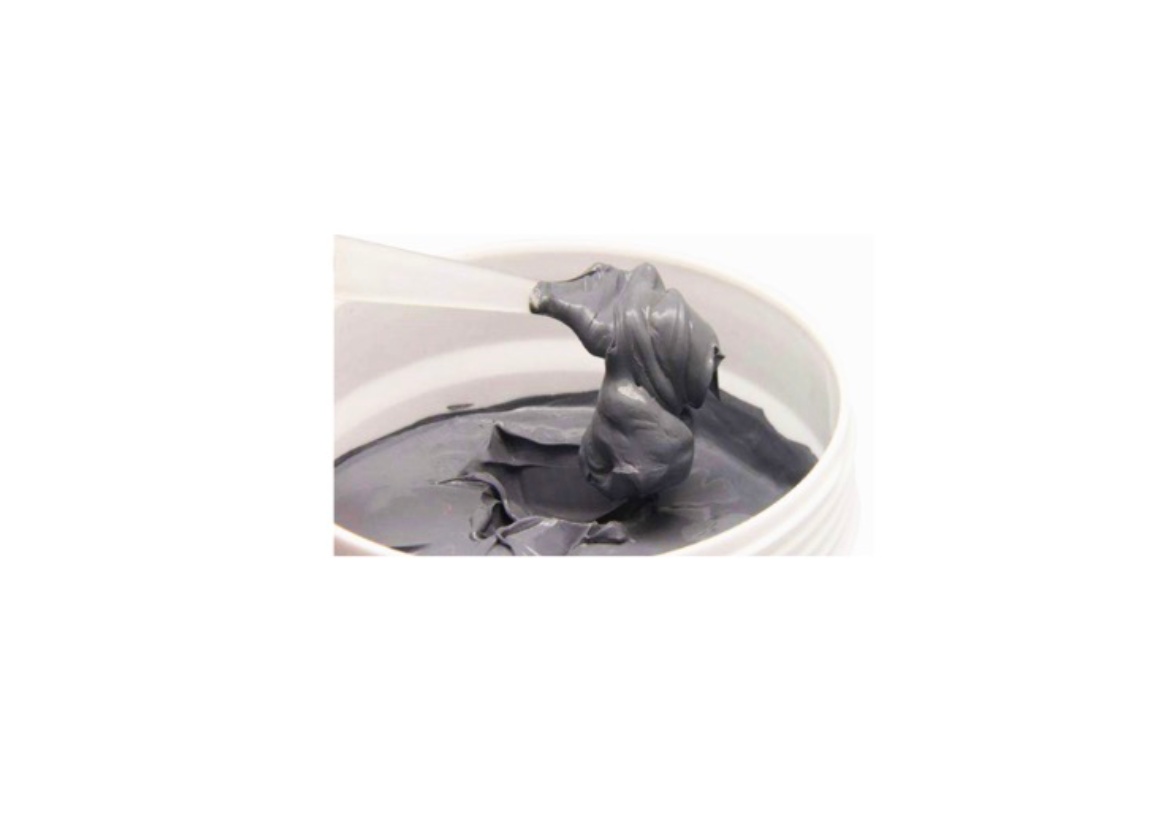
Thermal Greases: Provide excellent surface wetting and low initial Rth, but they are prone to pump-out or dry-out under repeated cycling, especially in high-power or vibration-prone systems.
Thermal Gels: Combine the conformability of grease with better mechanical stability, making them suitable for automated dispensing and long-term operation.
Phase Change Materials (PCMs): These materials melt at operating temperature to fill gaps and solidify when cooled. They exhibit good repeatability but can be sensitive to shear stress during cycling.
Graphite Sheets & Films: Offer exceptional thermal stability and are resistant to fatigue under high-temperature cycling. They are increasingly used in high-reliability applications such as EVs and aerospace electronics.
Key Material Properties Influencing Thermal Cycling Performance
The ability of a TIM to withstand repeated thermal stress depends on its mechanical and viscoelastic properties, not just its thermal conductivity.
Elastic Modulus & Compressibility: Materials must be soft enough to conform to surface irregularities yet strong enough to maintain shape and contact over thousands of cycles.
Thermal Conductivity vs. Fatigue Resistance: A higher conductivity does not guarantee durability; stiffer, high-k fillers can cause cracking or interface loss.
Adhesion Strength & Interface Stability: Good bonding prevents delamination and maintains consistent contact resistance.
Viscoelastic Recovery & Stress Relaxation: Materials with time-dependent elasticity can absorb expansion strain, reducing long-term mechanical fatigue.
Choosing a TIM requires balancing these properties according to system temperature range, mechanical loading, and cycling frequency.
Testing and Validation for Long-Term TIM Reliability
Validating TIM reliability under thermal cycling is essential to ensure real-world performance. Common testing protocols include:
Thermal Shock Testing: Alternating rapid temperature transitions between extreme highs and lows.
Power Cycling: Heating the device through electrical operation to simulate on/off conditions.
Accelerated Aging: Continuous exposure to elevated temperature and humidity for extended periods.
Engineers measure changes in thermal resistance (Rth), bond line thickness (BLT), and contact integrity after specific cycle counts (e.g., 500, 1,000, or 2,000 cycles). Microscopic inspection often reveals pump-out, voids, or cracks that signal early degradation.
While lab tests provide useful benchmarks, application-specific validation—using actual mounting pressure, materials, and geometry—is critical. Only then can engineers confidently predict how a TIM will perform throughout the full product lifetime.
Design and Application Factors Affecting Reliability
The reliability of a thermal interface material (TIM) under thermal cycling depends not only on its composition but also on how it is applied and integrated into the mechanical design.
Flatness and Surface Finish: Uneven or rough surfaces reduce real contact area and can introduce local stress points that accelerate fatigue. Proper surface preparation and polishing improve wetting and reduce void formation.
Bond Line Thickness (BLT): Small variations in BLT can dramatically affect stress distribution and thermal resistance. A thinner, controlled BLT reduces pump-out risk and improves thermal uniformity.
Mounting Pressure and Clamping Uniformity: Uneven pressure can squeeze out the TIM in some areas and leave gaps in others. Controlled torque and pressure mapping help maintain consistent interface performance.
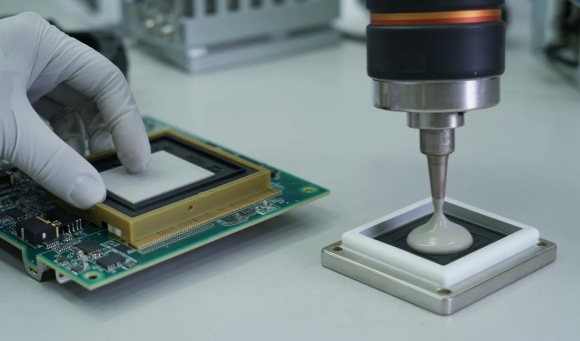
Assembly Process Control: Automated dispensing, pressure calibration, and alignment fixtures minimize variability during mass production.
In short, mechanical design and TIM performance must work hand in hand to achieve long-term reliability. Even the best material can fail prematurely if applied under poor mechanical conditions.
Material Selection Strategies for High Reliability
Selecting the right TIM goes beyond simply comparing thermal conductivity values. Engineers must match material properties with the system’s power density, mechanical loading, and temperature profile.
Match TIM to Environment: For high-temperature cycling, choose gels or pads with high elastic recovery and low volatility.
Verify Reliability Data: Use materials backed by thermal cycling test data (e.g., 1,000 cycles, -40°C to +125°C) and validated field performance.
Collaborate with Suppliers: Partnering with experienced TIM suppliers ensures access to reliability curves, pump-out resistance data, and real-world case studies.
Hybrid TIM Designs: In demanding applications, hybrid solutions — such as gel + graphite film or pad + PCM layer — can combine compliance, thermal spreading, and mechanical stability.
Selecting a TIM should be treated as a system-level decision, not a commodity purchase.
Case Example: TIM Performance in Power Electronics Module
Scenario: A high-power IGBT module was tested under thermal cycling from -40°C to 125°C. After 500 cycles, engineers observed TIM pump-out and a steady increase in Rth, leading to component temperature rise and reduced efficiency.
Solution: The design team replaced the existing thermal grease with a viscoelastic thermal gel reinforced with graphite fillers. This new material offered better adhesion, elasticity, and stability under repeated expansion and contraction.
Result: After 1,000 thermal cycles, the Rth increase was 25% lower than before, and the junction temperature stabilized within safe operating limits. The improved TIM also demonstrated enhanced lifetime reliability and easier process control during assembly.
This case highlights how material selection combined with design optimization can significantly extend the operational life of power electronics modules.
Practical Recommendations for Engineers
Start Early: Integrate thermal reliability evaluation in the design stage, not after validation failures occur.
Look Beyond Conductivity: A TIM with moderate thermal conductivity but strong fatigue resistance may outperform a high-k material that cracks under stress.
Define Thermal Cycling Targets: Specify expected performance in terms of Rth stability after X cycles, rather than only in W/m·K.
Collaborate with Experts: Engage material suppliers to conduct customized reliability tests based on your assembly geometry, pressure, and cycling environment.
By focusing on long-term stability, engineers can ensure that the thermal interface remains reliable throughout the product’s life cycle.
Summary: Building Thermal Interfaces for the Long Run
Thermal cycling is the ultimate durability test for any TIM.
Sustained reliability depends on the synergy between material science, mechanical design, and process control.
Selecting the right material and applying it correctly ensures stable thermal performance, reduced maintenance needs, and extended system lifetime. For designers of power electronics, automotive modules, or industrial control systems, long-term reliability is not optional—it’s essential.