Welcome to Taxo Tape
Selecting the Best Thermal Pads for Automotive Heat Management Applications
Introduction: Why Thermal Pads Matter in Automotive Electronics
Thermal management has become a critical design challenge in modern vehicles. As automotive electronics continue to handle higher power levels within increasingly compact spaces, heat is no longer a secondary concern—it directly affects performance, reliability, and service life.
Electrification and digitalization are reshaping vehicle architecture. Electric vehicles (EVs) rely heavily on power electronics such as inverters, onboard chargers, and battery management systems. At the same time, advanced driver-assistance systems (ADAS), automotive lighting, and intelligent control units introduce additional heat sources that must operate reliably under harsh conditions. Effective automotive thermal management is therefore essential to ensure stable operation across wide temperature ranges.
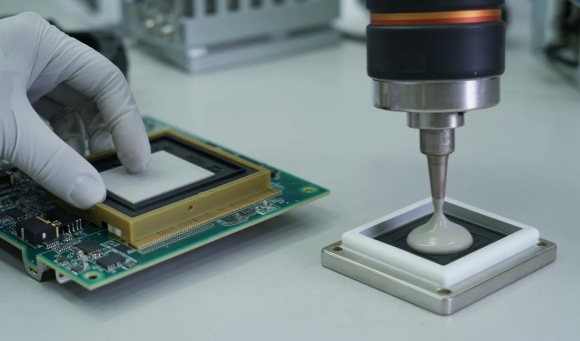
Among various thermal interface solutions, thermal pads are widely adopted in automotive electronics. Compared with thermal greases or liquid gap fillers, thermal pads offer easier handling, cleaner assembly, and more consistent thickness control. They provide reliable thermal contact between heat-generating components and heat sinks while maintaining electrical insulation and mechanical stability. For high-volume automotive production, these advantages make thermal pads a practical and proven choice.
Common Automotive Applications That Rely on Thermal Pads
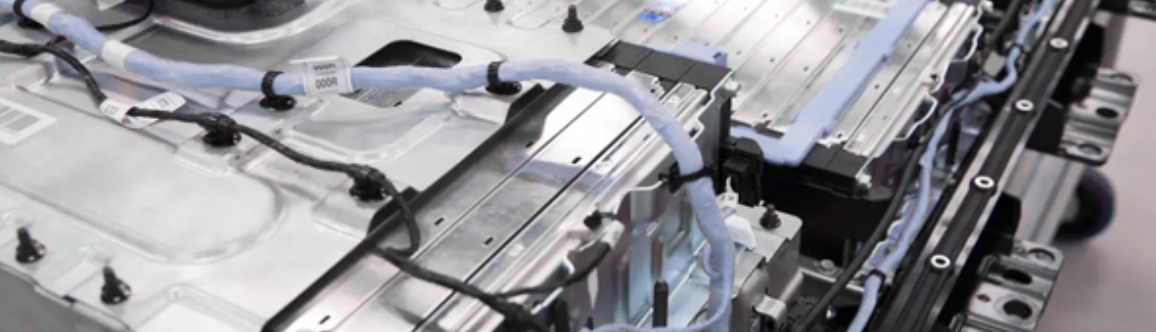
Thermal pads are used across a broad range of automotive electronic systems. If your application involves power density, confined space, or long-term reliability, thermal pads are likely already part of the solution.
Power control modules such as engine control units (ECUs), battery management systems (BMS), and inverter control boards generate continuous heat during operation. Thermal pads help transfer heat efficiently to metal housings or cooling plates while compensating for surface flatness variations.
Automotive LED lighting systems are another common application. Headlamps, daytime running lights, and signal lights require stable thermal paths to prevent lumen degradation and color shift over time. Thermal pads provide consistent contact pressure without contaminating optical components.
In on-board chargers and DC/DC converters, thermal pads are used to manage heat from power semiconductors while maintaining electrical insulation, especially in high-voltage EV platforms.
Sensors and ADAS-related electronics, including radar modules and camera control units, also rely on thermal pads. These systems are sensitive to temperature fluctuations, and stable thermal interfaces help ensure signal accuracy and long-term reliability.
If your product falls into any of these categories, selecting the right thermal pad is a key design decision—not just a material choice.
Key Performance Requirements for Automotive Thermal Pads
3.1 Thermal Conductivity vs. Real Heat Transfer Performance
Thermal conductivity is often the first parameter engineers look at, but higher W/m·K values do not automatically guarantee better thermal performance. In real automotive assemblies, overall heat transfer depends heavily on interface contact quality.
A thermal pad with slightly lower conductivity but better surface conformity can outperform a rigid, high-conductivity material by reducing contact resistance. The ability of the pad to fill microscopic air gaps and adapt to uneven surfaces is often more important than headline conductivity numbers.
3.2 Operating Temperature Range
Automotive thermal pads must operate reliably across a wide temperature range, often from -40°C up to 125°C or higher, depending on location and application.
It is also important to distinguish between short-term temperature resistance and long-term thermal stability. Some materials can tolerate brief exposure to high temperatures but may harden, crack, or degrade over time. For automotive use, long-term stability under continuous heat is just as critical as peak temperature capability.
3.3 Compression, Softness, and Gap Tolerance
Manufacturing tolerances and component stacking variations are unavoidable in automotive assemblies. Thermal pads must accommodate these variations without excessive compression force.
Proper softness and compression behavior allow the pad to maintain consistent thermal contact even when surfaces are uneven. At the same time, overly soft materials may suffer from mechanical instability. Balancing gap-filling capability with structural integrity is essential for reliable assembly and repeatable performance.
Reliability Factors in Automotive Environments
4.1 Vibration and Mechanical Stress
Vehicles are subject to constant vibration, shock, and mechanical stress. Over time, these forces can affect the integrity of the thermal interface.
A suitable automotive thermal pad should maintain contact stability under vibration without cracking, shifting, or losing compression. Mechanical resilience is particularly important for control units mounted near the powertrain or chassis.
4.2 Aging, Pump-Out, and Material Degradation
Thermal cycling is a normal part of automotive operation. Repeated heating and cooling can cause some interface materials to migrate, harden, or lose elasticity.
Unlike greases that may pump out over time, well-designed thermal pads offer better resistance to material movement. Long-term aging performance should be evaluated under realistic thermal cycling conditions, not just initial test results.
4.3 Outgassing and Volatility Concerns
Low volatility is a key requirement in sealed or semi-sealed automotive systems. Outgassing can contaminate sensitive components, optical surfaces, or connectors.
Thermal pads designed for automotive use typically focus on reduced siloxane release and stable formulation to minimize contamination risks, especially in enclosed modules.
Electrical and Safety Considerations
In addition to thermal performance, automotive thermal pads must meet strict electrical and safety requirements.
Electrical insulation is essential in many applications to prevent short circuits and ensure system safety. Dielectric strength becomes especially important in high-voltage EV systems, where isolation between components is critical.
Flame retardancy and material compliance are also common expectations in automotive projects. While specific standards may vary by OEM, materials are generally expected to meet recognized safety classifications and internal qualification requirements. These factors may not always appear in headline specifications, but they play a decisive role in final material approval.
Material Options: Silicone vs. Silicone-Free Thermal Pads
Silicone-based thermal pads remain the most commonly used option in automotive electronics, largely due to their balanced performance and process flexibility. They offer good thermal stability across wide temperature ranges, consistent softness, and reliable gap-filling behavior. For many control units and power modules, silicone pads provide a practical combination of thermal performance and mechanical compliance.
However, silicone materials also have limitations. In certain enclosed systems, concerns about siloxane outgassing and long-term contamination cannot be ignored. Optical components, sensitive connectors, and sealed modules may be affected by volatile byproducts over extended operating periods.
In these cases, silicone-free thermal pads are often preferred. These materials are typically selected when low volatility, reduced contamination risk, or compatibility with sensitive surfaces is a priority. While silicone-free pads may have a narrower processing window or different compression behavior, they can offer advantages in applications where cleanliness and material stability are critical.
In real automotive projects, the choice between silicone and silicone-free pads is rarely based on material type alone. It is usually driven by the system environment, reliability expectations, and OEM-specific preferences rather than a single performance parameter.
Standards, Testing, and Automotive Expectations
Automotive thermal pads are typically evaluated against a combination of industry expectations and internal OEM specifications. Rather than relying solely on generic material claims, automotive projects focus on consistency, repeatability, and long-term behavior under real operating conditions.
In practice, datasheet values such as thermal conductivity, hardness, or breakdown voltage provide only a starting point. These figures are measured under controlled laboratory conditions and may not fully reflect performance once the material is installed in an actual assembly.
For this reason, application-based validation plays a key role in material selection. Thermal performance, compression behavior, aging resistance, and stability under thermal cycling are often verified at the system or module level. Engineers expect materials to demonstrate predictable performance over time, not just meet initial specification targets.
Understanding these expectations early helps avoid late-stage design changes and reduces qualification risks during product development.
How to Select the Right Thermal Pad for Your Application
Selecting the right thermal pad is best approached as a structured decision process rather than a simple material comparison.
Step 1: Evaluate the heat source and power density
Identify how much heat needs to be dissipated and where it is generated. High power density components may require materials with better conformability rather than just higher conductivity.
Step 2: Define gap size and assembly method
Measure the actual gap and consider tolerance variations. Assembly pressure, fastening method, and allowable compression force will directly influence material selection.
Step 3: Consider environmental conditions
Operating temperature range, vibration exposure, and potential contamination risks all affect long-term performance. Materials must remain stable throughout the product’s service life.
Step 4: Set reliability targets
Define expectations for aging, thermal cycling, and mechanical durability. A thermal pad that performs well initially but degrades over time may not be suitable for automotive use.
Following this logic helps narrow material options and leads to more predictable outcomes during validation and production.
Common Mistakes When Choosing Thermal Pads for Automotive Use
Despite growing experience with automotive thermal management, several selection mistakes still occur frequently.
One common issue is over-focusing on thermal conductivity values. High numbers may look impressive but do not guarantee better heat dissipation if contact resistance is ignored.
Another mistake is ignoring assembly pressure limits. Choosing a pad that requires excessive compression can stress components, warp PCBs, or complicate assembly processes.
Finally, using consumer-grade materials in automotive applications can lead to reliability problems. Materials not designed for automotive environments may fail under vibration, heat cycling, or long-term aging.
Avoiding these pitfalls can significantly improve system reliability and reduce costly redesigns.
Conclusion: Application-Driven Selection Is the Key
Thermal pads play a critical role in automotive electronics, but their effectiveness depends on how well the material matches real operating conditions.
Successful selection goes beyond datasheet values and focuses on heat source characteristics, mechanical constraints, environmental exposure, and long-term reliability expectations. An application-driven approach helps ensure stable thermal performance throughout the vehicle’s service life.
For automotive projects, early material evaluation and application-specific validation can shorten development cycles and improve overall system reliability.