Welcome to Taxo Tape
Minimizing Thermal Contact Resistance in Power Supply Designs
Introduction
In modern power supply units (PSUs), inverters, LED drivers, and telecom systems, thermal management is no longer optional—it is a core design requirement. As power densities increase, components generate more heat in smaller spaces. If not controlled properly, this heat leads to overheating, efficiency loss, and shorter product lifespan.
While many engineers focus on selecting thermal interface materials (TIMs) with higher thermal conductivity, a less visible factor often determines success or failure: thermal contact resistance (TCR). This hidden barrier at the interface can undermine even the best TIM selection. Left unchecked, high TCR can compromise efficiency, reliability, and long-term system performance.

What is Thermal Contact Resistance (TCR)?
Thermal contact resistance is the resistance to heat flow that occurs at the interface between two surfaces. Even when two components appear smooth, microscopic roughness and irregularities prevent full surface-to-surface contact. These tiny voids are filled with air—an excellent thermal insulator—leading to restricted heat transfer.
Key contributors to TCR include:
Microscopic surface roughness that traps air pockets.
Insufficient contact pressure, which prevents proper mating.
Assembly variation, leading to inconsistent interface quality.
It’s important to distinguish bulk material conductivity (the intrinsic ability of a TIM or component to conduct heat) from interface resistance (how effectively heat flows across the contact area). A TIM with high conductivity can still fail if the interface resistance is too high.
Factors Contributing to High TCR
Several design and assembly issues can significantly raise TCR:
Surface roughness and flatness – Poor machining or uneven surfaces create voids that resist heat flow.
Assembly pressure and torque inconsistency – If pressure is too low, air gaps remain; if too high, materials can deform or pump out.
TIM selection and application – Using the wrong material type, wrong thickness, or poor application method increases resistance.
Long-term effects – Many TIMs degrade under thermal cycling, suffering from pump-out, dry-out, or loss of elasticity, all of which raise contact resistance over time.
Impact of TCR on Power Supply Designs
Ignoring TCR can have serious consequences for power supply performance:
Higher junction temperatures → Accelerated component aging, reduced mean time between failures (MTBF).
Efficiency loss → Extra thermal resistance means more wasted energy.
Premature failures and warranty costs → Overheated modules may fail in the field, creating costly replacements and damaging brand reputation.
Case Example: In a high-power inverter design, engineers observed unexpected overheating despite using a high-conductivity TIM. Investigation revealed that poor surface flatness and uneven compression caused excessive TCR. After correcting the assembly process and selecting a more conformable TIM, junction temperatures dropped significantly, restoring system reliability.
Methods to Minimize Thermal Contact Resistance
Reducing thermal contact resistance requires attention to both material choice and assembly process:
Surface preparation and cleaning – Ensure both mating surfaces are flat, smooth, and free of dust, oxidation, or old TIM residue.
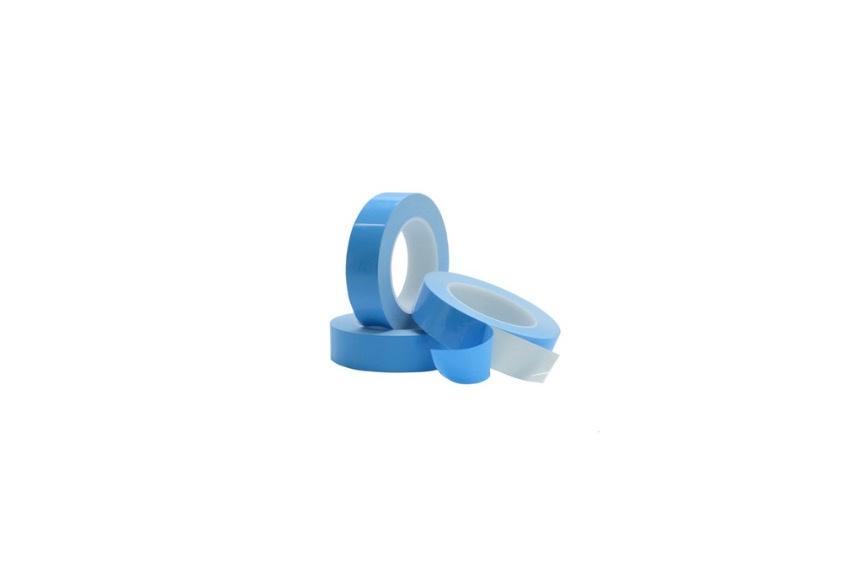
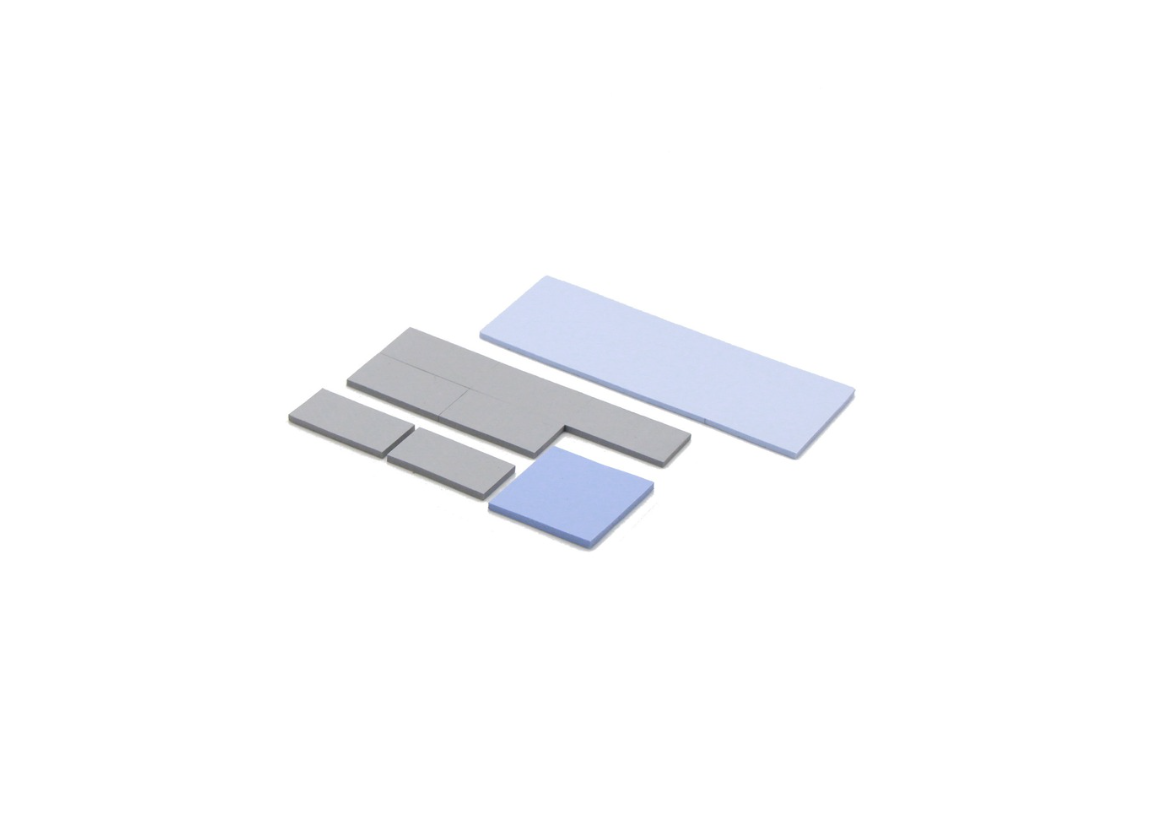
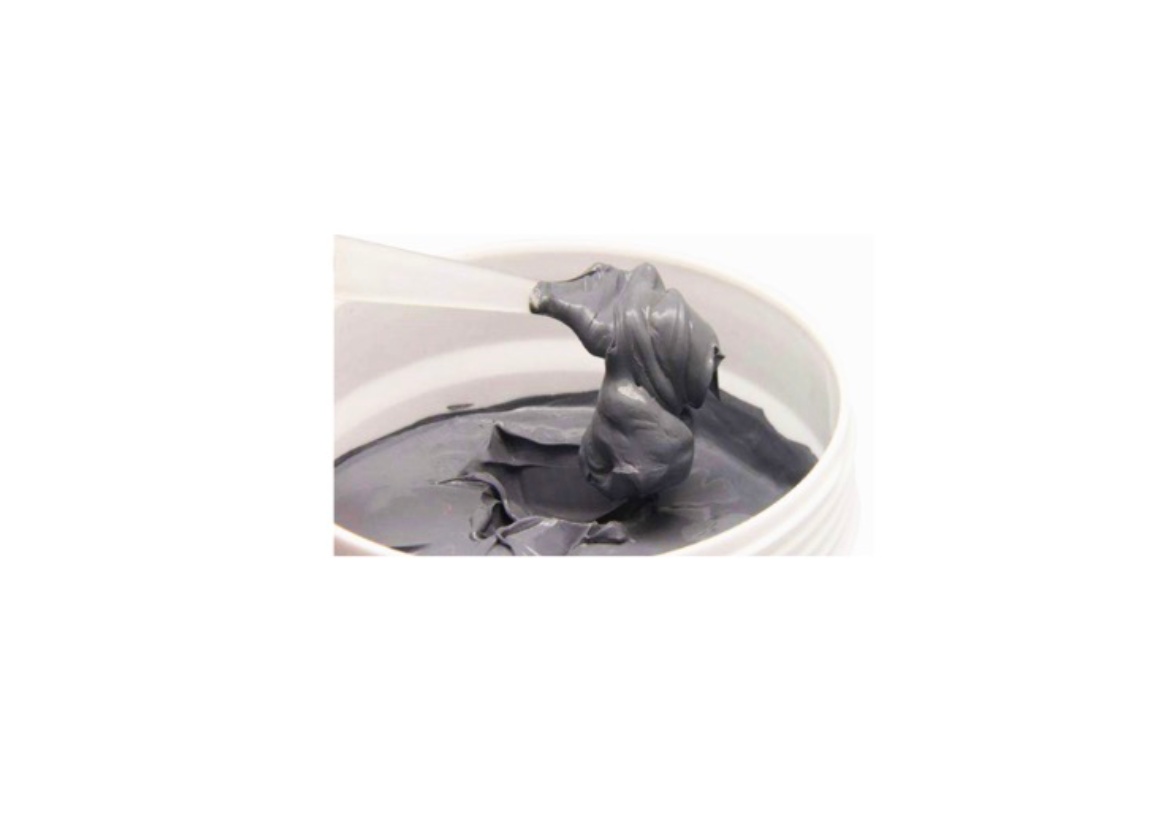
Optimized TIM selection – Match TIM type (grease, pad, gel, phase-change, graphite) with application requirements.
Correct thickness and compression – Too thick adds resistance; too thin may not cover gaps. Proper compression ensures maximum contact.
Uniform pressure application – Use clamping or fastening techniques (e.g., torque-controlled screws, spring clips) to apply even pressure.
Thermal cycling performance – Select TIMs tested to withstand pump-out, drying, and cracking under repeated heating/cooling cycles.
Comparing TIM Options for Reducing TCR
Different TIMs offer unique benefits when reducing thermal contact resistance:
Silicone thermal pads – Good conformity, easy to assemble, and provide electrical insulation, but lower conductivity than advanced materials.
Thermal grease – Excellent contact efficiency, fills microscopic voids, but requires careful handling and can migrate under stress.
Gap fillers/thermal gel – Balance between automation, reworkability, and reliable contact; well-suited for automotive and telecom modules.
Graphite pads/films – Superior in-plane spreading and ultra-thin profiles, but electrically conductive and may require insulation layers.
Best Practices for Procurement and Design Engineers
To effectively minimize TCR, engineers and procurement teams should:
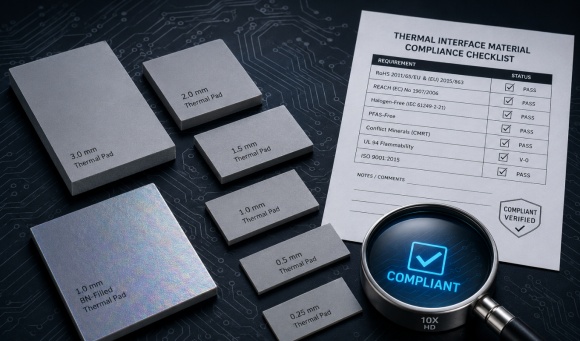
Use a checklist – Evaluate thermal performance, reliability, cost, and compliance with ASTM/ISO standards.
Request verified data – Go beyond datasheet claims by asking suppliers for third-party testing results and real application case studies.
Collaborate early – Procurement, design engineers, and suppliers should work together to identify the best-fit TIM for each power supply project.
Conclusion & Recommendation
Thermal contact resistance is just as important as bulk conductivity in power supply cooling. Poor control of TCR can negate the benefits of high-performance TIMs, leading to overheating and reliability risks.
Smart design + optimized TIM selection = lower TCR, higher efficiency, and improved reliability.
For engineers and procurement professionals, evaluating both material and assembly factors is essential.
Consider consulting TIM specialists for tailored recommendations and solutions specific to your inverter, LED, or telecom power supply projects.
FAQ
Q: What is an acceptable range of thermal contact resistance?
A: It depends on the application, but generally, values should be minimized to below 1–2 K·cm²/W for high-power modules.
Q: How do I measure TCR in real applications?
A: Use thermal test fixtures and ASTM/ISO standard methods (e.g., ASTM D5470) for accurate measurement.
Q: Can a high-conductivity TIM still fail due to poor application?
A: Yes. Even with high W/m·K, improper surface prep or uneven compression can raise TCR significantly.
Q: How to ensure TCR remains low over product lifetime?
A: Select TIMs with proven long-term stability, validate under thermal cycling tests, and use robust assembly methods.