Welcome to Taxo Tape
What Are the Key Characteristics to Look for in High-Temperature Thermal Pads?
Introduction: Why High-Temperature Thermal Pads Matter
As electronic devices become more powerful and compact, managing heat has become a critical challenge in system design. High-performance components such as power modules, processors, and LED drivers generate significant amounts of heat during operation. If this heat is not effectively transferred away from the components, it can lead to reduced efficiency, shortened lifespan, or even system failure.
In many cases, conventional thermal pads are designed for moderate operating temperatures. When exposed to higher thermal loads for extended periods, these materials may begin to degrade, lose elasticity, or suffer from reduced thermal performance. Over time, this can create gaps between components and heat sinks, increasing thermal resistance and limiting cooling efficiency.
High-temperature thermal pads are designed to maintain reliable performance under demanding conditions. They are commonly used in applications such as power electronics, automotive control systems, industrial equipment, and high-power LED drivers, where both thermal stability and long-term reliability are essential.

What Is a High-Temperature Thermal Pad?
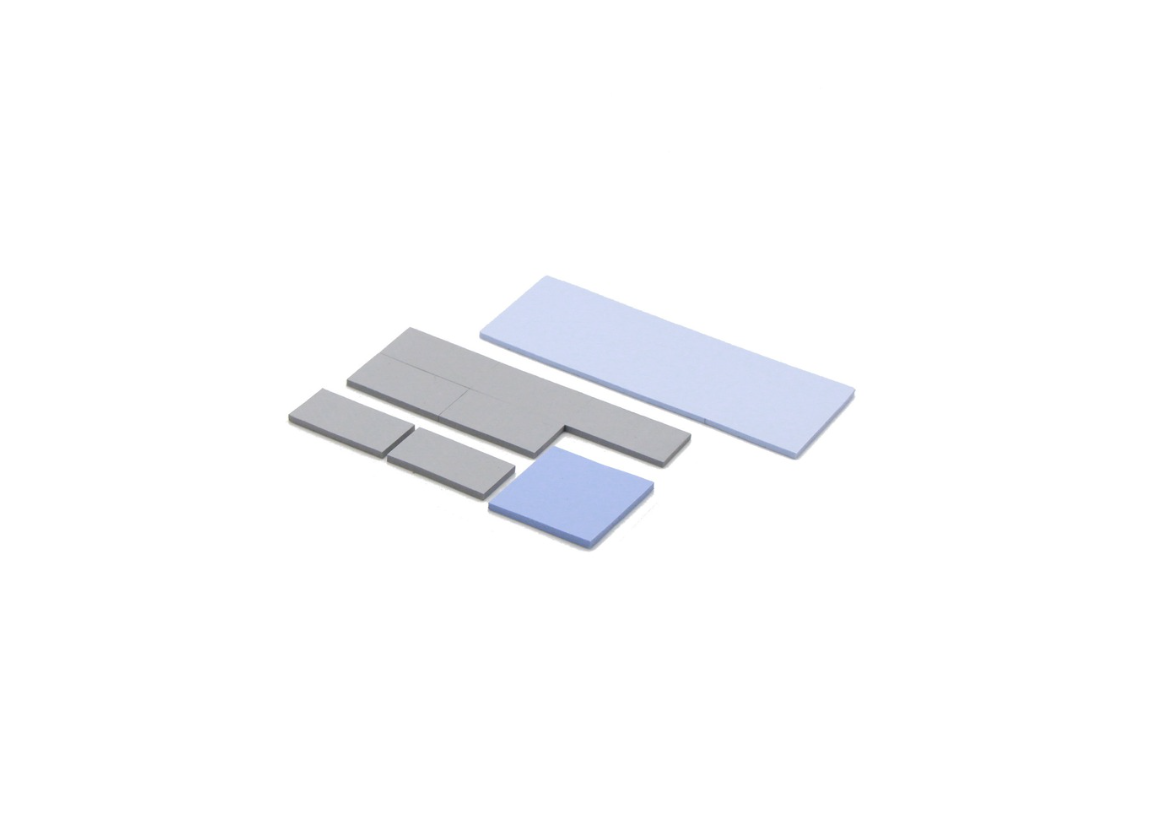
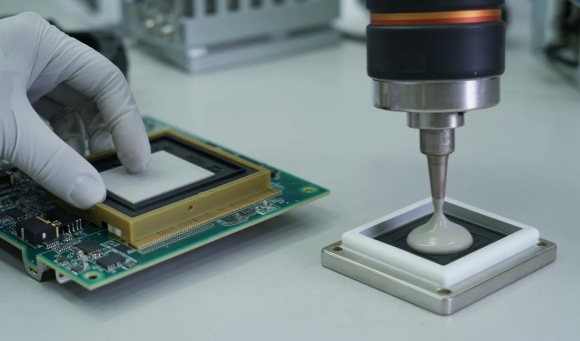
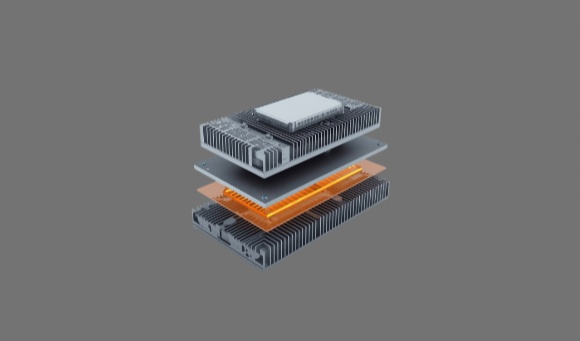
A high-temperature thermal pad is a type of thermal interface material (TIM) designed to improve heat transfer between heat-generating components and cooling structures such as heat sinks or metal housings. These pads are typically soft and conformable, allowing them to fill microscopic air gaps between surfaces.
Air is a poor conductor of heat. Even small gaps between electronic components and heat sinks can significantly reduce heat transfer efficiency. Thermal pads solve this problem by filling these gaps with a material that conducts heat much more effectively than air.
What distinguishes high-temperature thermal pads from standard thermal pads is their ability to maintain mechanical and thermal stability under elevated temperatures. They are formulated with specialized base materials and thermally conductive fillers that allow them to operate reliably at temperatures such as 150°C, 200°C, or even higher, depending on the material system.
Key Characteristics to Look for in High-Temperature Thermal Pads
Selecting the right thermal pad for high-temperature environments requires evaluating several important material properties. These characteristics directly affect long-term reliability and thermal performance in demanding electronic applications.
3.1 High Continuous Operating Temperature
One of the most important characteristics of a high-temperature thermal pad is its ability to operate continuously under elevated temperatures without degradation.
In many power electronics and industrial systems, components may operate at temperatures well above those found in standard consumer electronics. A suitable thermal pad should maintain its structural integrity, elasticity, and thermal performance over long periods of exposure.
Typical high-temperature thermal pads are designed for continuous operating temperatures around 150°C to 200°C, while some specialized materials can tolerate even higher levels depending on the formulation.
3.2 Stable Thermal Conductivity
Thermal conductivity is a key parameter that determines how effectively heat can be transferred through the pad.
However, in high-temperature environments, it is not only the initial thermal conductivity that matters. The material must also maintain stable thermal performance as temperature rises and during long-term operation. If the structure of the material changes under heat, its ability to transfer heat may decrease.
A reliable high-temperature thermal pad should provide consistent thermal conductivity to ensure that heat is efficiently transferred away from sensitive components.
3.3 Low Compression Set
Compression set refers to the permanent deformation of a material after it has been compressed for a long time.
Thermal pads are typically installed between components and heat sinks under pressure. If the material experiences significant compression set, it may gradually lose thickness and fail to maintain proper contact between surfaces.
A thermal pad with low compression set can retain its shape and resilience even after prolonged compression. This helps maintain stable thermal contact and consistent cooling performance throughout the life of the device.
3.4 Electrical Insulation Properties
In many electronic systems, thermal interface materials must not only transfer heat but also provide electrical insulation.
High-temperature thermal pads are often used between electrically active components and metal heat sinks. In such cases, the material must prevent electrical conduction while still allowing heat to pass through efficiently.
Properties such as dielectric strength and volume resistivity are therefore important considerations when selecting a thermal pad for electrically sensitive applications.
3.5 Material Stability and Low Outgassing
At elevated temperatures, some materials may release volatile compounds or experience chemical degradation. This phenomenon, known as outgassing, can contaminate nearby components or affect sensitive electronic assemblies.
High-temperature thermal pads should be formulated with stable materials that resist degradation and minimize outgassing. This is especially important in sealed electronic systems, optical equipment, or environments where cleanliness and reliability are critical.
3.6 Mechanical Compliance
Electronic components and heat sinks rarely have perfectly flat surfaces. Small variations, surface roughness, and assembly tolerances can create microscopic gaps that reduce thermal transfer efficiency.
Mechanical compliance allows the thermal pad to conform to these uneven surfaces. A compliant material can deform slightly under pressure, filling air gaps and ensuring full surface contact.
This ability to adapt to irregular surfaces helps reduce thermal resistance and improves the overall efficiency of heat transfer within the system.
Additional Factors That Influence Performance
Beyond the core material properties, several additional factors can also affect how well a high-temperature thermal pad performs in real applications. Careful consideration of these aspects helps ensure optimal thermal management and long-term reliability.
Thickness Selection
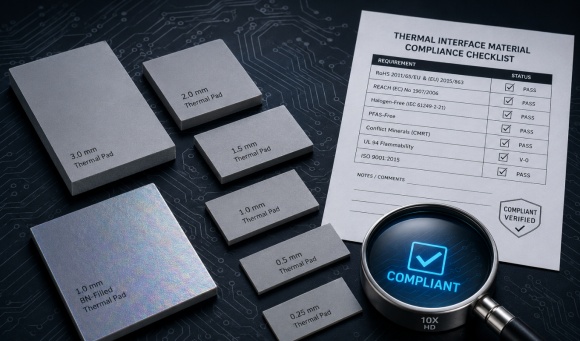
Thermal pads are available in a wide range of thicknesses to accommodate different assembly gaps. Selecting the appropriate thickness is important because it influences both heat transfer efficiency and mechanical fit.
If the pad is too thin, it may not fully fill the gap between components and the heat sink, leaving air pockets that increase thermal resistance. On the other hand, an excessively thick pad can reduce effective thermal conductivity because heat must travel through a longer path. The ideal thickness should fill the gap while maintaining good compression and surface contact.
Hardness and Compressibility
Hardness and compressibility determine how well a thermal pad conforms to the surfaces it contacts. Softer materials typically provide better surface conformity, allowing them to fill microscopic gaps and improve heat transfer.
However, the pad must also maintain sufficient mechanical strength to withstand assembly pressure without tearing or excessive deformation. A balanced combination of softness and structural stability is often preferred for demanding thermal management applications.
Long-Term Reliability and Aging Resistance
In high-temperature environments, materials are continuously exposed to heat cycles and mechanical stress. Over time, some materials may harden, crack, or lose elasticity.
Thermal pads designed for high-temperature applications should offer strong resistance to thermal aging. Stable materials can maintain their mechanical and thermal properties over long operating periods, helping ensure consistent performance throughout the life of the device.
Typical Applications of High-Temperature Thermal Pads
High-temperature thermal pads are widely used in electronic systems where components generate significant heat and operate under demanding conditions.
Power Supply Units and Power Modules
Power supplies and power modules often handle high electrical loads, which results in considerable heat generation. Thermal pads are used to transfer heat from components such as MOSFETs, IGBTs, and transformers to heat sinks or metal housings.
Automotive Electronics and EV Power Systems
Modern vehicles rely heavily on electronic systems, including motor controllers, battery management systems, and onboard chargers. These components frequently operate under high temperatures and vibration, making reliable thermal management essential.
Industrial Control Equipment
Industrial automation systems, motor drives, and control units are often used in environments where temperatures can fluctuate significantly. High-temperature thermal pads help maintain stable operating conditions for critical electronic components.
High-Power LED Lighting
High-power LED modules generate heat that must be efficiently dissipated to maintain brightness and lifespan. Thermal pads are commonly used to connect LED boards with heat sinks, ensuring efficient heat transfer even under continuous operation.
How to Choose the Right High-Temperature Thermal Pad
Selecting an appropriate thermal pad involves evaluating several technical factors based on the specific requirements of the application.
Matching Thermal Conductivity with Heat Load
The thermal conductivity of the pad should match the amount of heat generated by the device. Systems with higher heat loads generally require materials with higher thermal conductivity to ensure efficient heat dissipation.
Evaluating Operating Temperature Requirements
The maximum and continuous operating temperatures of the application should be carefully considered. The selected thermal pad should maintain stable mechanical and thermal properties within the expected temperature range.
Considering Mechanical and Electrical Requirements
Other important factors include compressibility, thickness tolerance, electrical insulation, and mechanical durability. Evaluating these properties together helps ensure that the thermal pad performs reliably within the overall system design.
Conclusion
High-temperature thermal pads play an important role in modern electronic thermal management. By efficiently transferring heat away from critical components, they help maintain stable operating conditions and improve system reliability.
When selecting a thermal pad for high-temperature applications, several key characteristics should be carefully evaluated. These include continuous operating temperature, stable thermal conductivity, low compression set, electrical insulation, material stability, and mechanical compliance. Additional factors such as thickness, hardness, and long-term aging resistance can also influence performance.
Choosing the right thermal interface material helps optimize heat dissipation, protect sensitive electronics, and extend the service life of electronic devices.