Welcome to Taxo Tape
Latest Innovations in Thermally Conductive Tapes for Power Electronics (2025 Update)
Introduction
Thermally conductive tapes are becoming one of the most practical thermal management materials in power electronics.
From inverter modules and battery systems to power supplies and EV chargers, engineers are looking for ways to simplify assembly while maintaining efficient heat transfer and long-term reliability.
In 2025, new materials and adhesive technologies are changing how conductive tapes are used in high-power designs. This article reviews the latest advancements and how they are reshaping power electronics manufacturing.
The Role of Thermally Conductive Tapes in Power Electronics
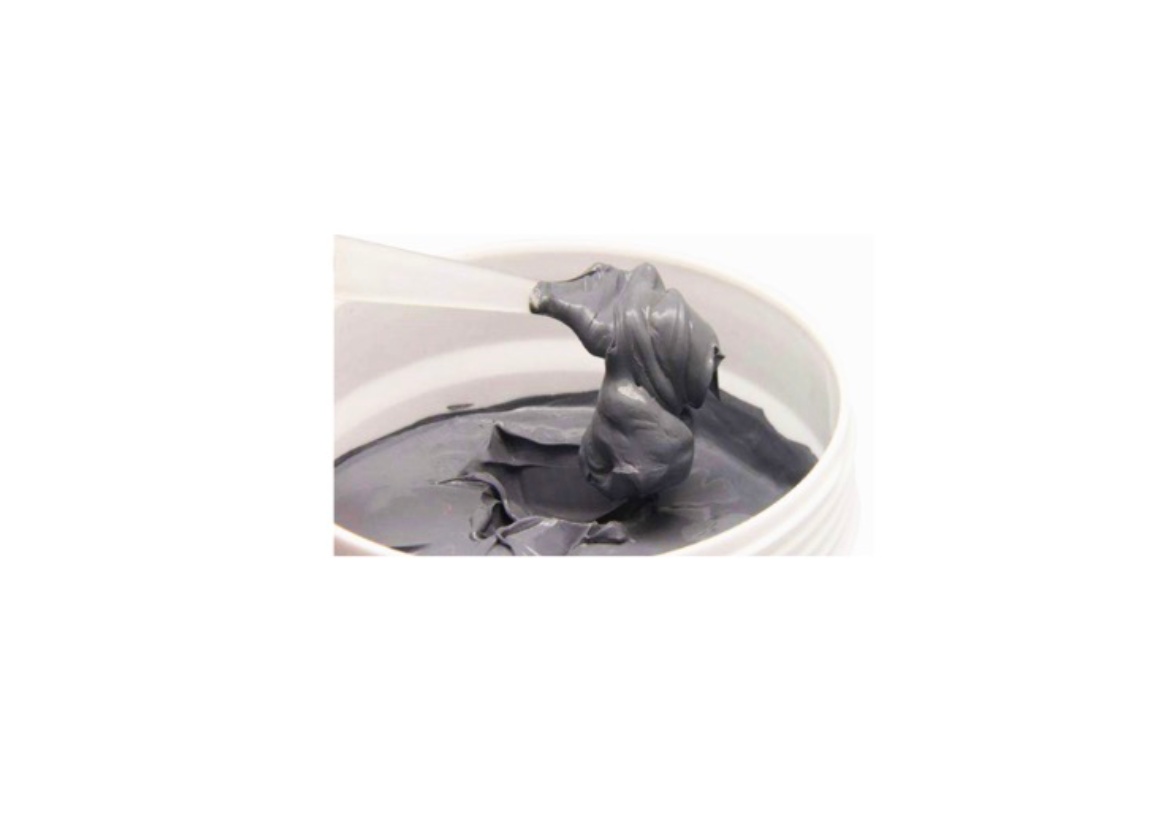
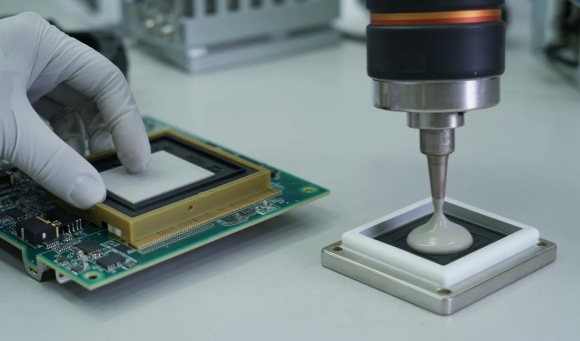
Traditional bonding materials such as thermal grease and epoxy adhesives have long been used to manage heat. However, they often require curing, create a mess during assembly, or make rework difficult.
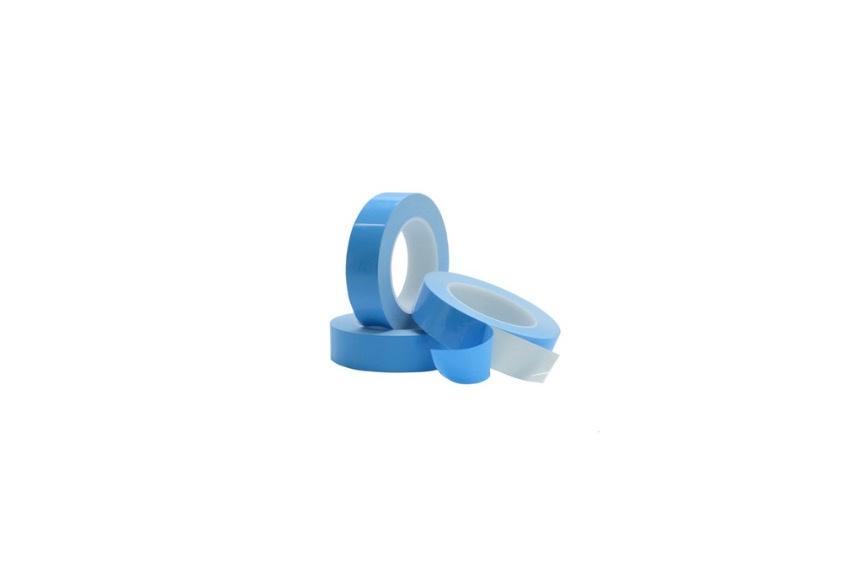
Thermally conductive double-sided tapes offer a clean, efficient alternative.
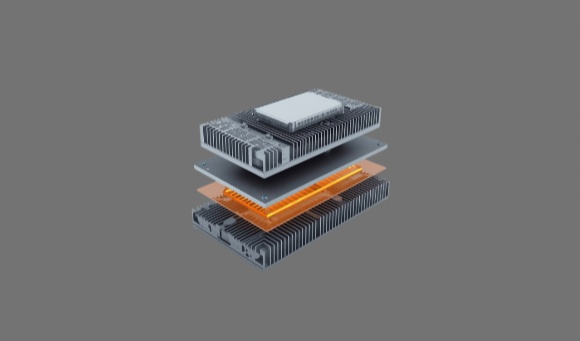
They combine adhesive strength, thermal conductivity, and dielectric insulation, allowing components to be bonded directly to heat sinks, housings, or cooling plates.
Common Applications Include:
Power modules (IGBTs, MOSFETs)
DC/DC converters
EV battery packs and chargers
Industrial drives and power supplies
LED drivers and telecom power systems
Key Material Innovations in 2025
3.1. Next-Generation Silicone and Acrylic Adhesives
Recent formulations focus on achieving a better balance between thermal conductivity and adhesion strength.
New silicone-based adhesives can maintain adhesion above 150°C and resist long-term thermal cycling, while acrylic hybrid systems now reach up to 3.0 W/m·K in bulk conductivity without losing mechanical strength.
This makes them ideal for insulated metal substrates (IMS), power semiconductor mounting, and battery module assembly.
3.2. Reinforced Ceramic-Filled Tape Structures
To enhance heat transfer, manufacturers are introducing ceramic-filled matrices such as alumina, boron nitride, and aluminum nitride.
These fillers improve thermal pathways while maintaining dielectric isolation, enabling thinner designs without compromising insulation.
The result: more compact, lightweight assemblies with better heat spreading across the bonded interface.
3.3. Improved Thickness and Conformability Control
In 2025, precision coating and micro-embossing technologies allow for tighter thickness tolerances (±10 µm).
This helps achieve consistent contact pressure across rough or uneven surfaces—critical for devices like power modules or baseplates that operate at high power density.
Some high-end conductive tapes can now replace 0.5–1.0 mm gap-filling materials, ensuring stable performance even under mechanical vibration or thermal expansion.
3.4. Electrically Insulating but Thermally Conductive Designs
For applications where electrical insulation is critical, multilayer tapes now integrate polyimide or PET films as dielectric cores.
These structures offer:
Thermal conductivity: 1.0–2.0 W/m·K
Breakdown voltage: >5 kV
Peel strength: up to 1.5 kgf/cm
Such tapes are increasingly used in high-voltage battery modules, power converters, and smart energy systems that demand both insulation and heat dissipation.
Sustainability and Process Efficiency Trends
As global regulations tighten on volatile organic compounds (VOCs) and carbon footprint, 2025 also sees a push toward environmentally friendly formulations:
Solvent-free adhesives reduce emissions during coating.
Recyclable carrier films (PET, polyimide) support circular manufacturing.
Room-temperature bonding options minimize energy use in production.
These developments not only benefit the environment but also simplify assembly processes, making conductive tapes an increasingly sustainable alternative to traditional thermal adhesives.
Case Example: Power Module Assembly
A manufacturer of 10 kW inverter modules adopted a new generation silicone-based thermally conductive tape with 2.5 W/m·K conductivity and 8 kV insulation strength.
Compared with thermal grease:
Assembly time decreased by 40%
Thermal interface resistance reduced by 20%
Product consistency improved significantly due to uniform bond-line control
This illustrates how adhesive tapes can offer both engineering and productivity benefits in mass production environments.
Selection Tips for Engineers
When choosing thermally conductive tapes for power electronics, consider the following factors:
| Parameter | Recommendation |
|---|---|
| Thermal Conductivity | ≥1.0 W/m·K for power devices |
| Breakdown Voltage | ≥5 kV for insulated systems |
| Operating Temperature | -40°C to +150°C (continuous) |
| Adhesion Strength | ≥1.0 kgf/cm for reliable bonding |
| Thickness Control | ±10 µm tolerance for consistency |
The optimal product depends on the application type, surface roughness, and assembly method. Collaborating with materials suppliers can help tailor the right tape design for your specific system.
Conclusion
Thermally conductive tapes have evolved from simple bonding aids into high-performance thermal interface materials that meet the growing demands of modern power electronics.
The 2025 innovations in adhesive chemistry, filler design, and insulation structure enable better thermal reliability, mechanical strength, and environmental compliance.
For engineers developing next-generation inverters, chargers, or power modules, these tapes offer a clean, reliable, and efficient solution to heat management challenges.