Welcome to Taxo Tape
How to Optimize Thermal Interface Materials for High-Power Electronics
Introduction
In high-power electronics, efficient thermal management is critical to ensure optimal performance and reliability. As the power density of electronic devices increases, so does the need for effective heat dissipation solutions. Without proper thermal management, excess heat can lead to system failures, reduced efficiency, and shortened lifespan of critical components. This is particularly important in sectors such as electric vehicles, telecommunications, and computing, where heat generation is a major concern.
The key challenge in managing heat dissipation in high-power devices lies in effectively transferring the heat away from sensitive components, such as semiconductors, processors, and power transistors. Traditional cooling methods like fans or heat sinks are often insufficient for handling the large amounts of heat generated in these devices. This is where Thermal Interface Materials (TIMs) come into play, playing an essential role in optimizing heat transfer between the heat source and the cooling solution.
TIMs bridge the gap between the electronic component and heat sink, ensuring efficient heat conduction and minimizing thermal resistance. By improving thermal conductivity and enhancing the mechanical properties of thermal interfaces, TIMs are critical in preventing overheating and maintaining the operational integrity of high-power electronic devices.
Understanding Thermal Interface Materials (TIMs)
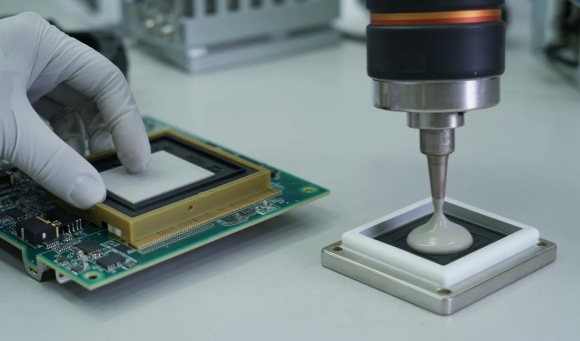
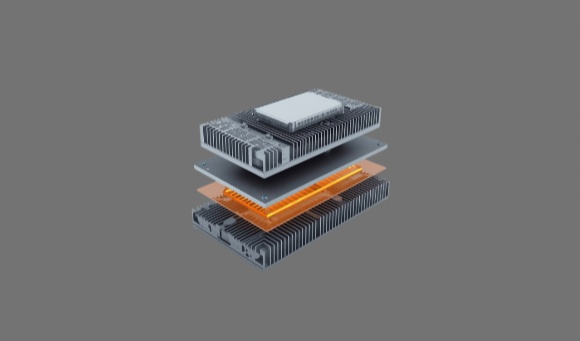
Thermal Interface Materials (TIMs) are materials used to fill the microscopic air gaps and imperfections between two surfaces, ensuring efficient heat transfer from one surface to another. In high-power electronics, TIMs are often placed between a component like a CPU or power module and a heat sink or cooling plate. They facilitate the transfer of heat from the component to the heat sink, which then dissipates the heat into the surrounding environment.
Types of TIMs used in high-power electronics
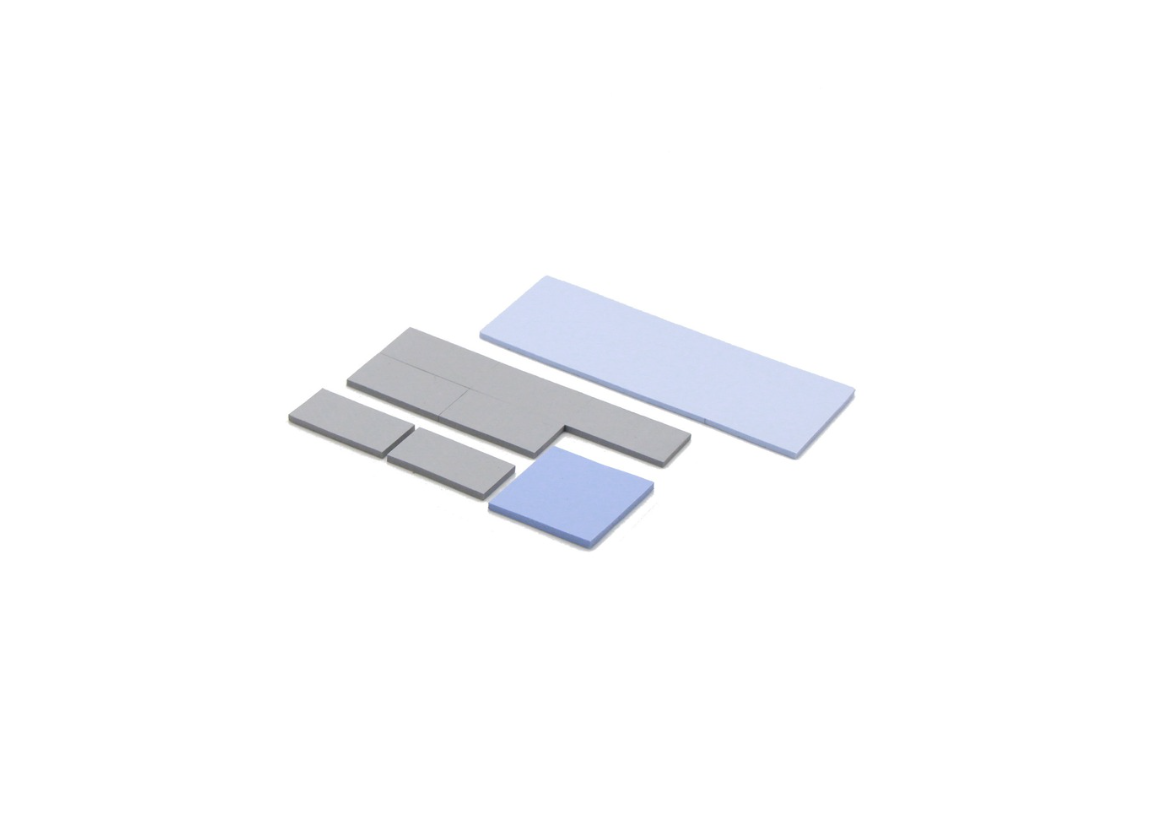
Thermal Pads: These are solid materials that come in various thicknesses and are typically made from silicone, graphite, or other polymer-based compounds. They are easy to apply and offer good thermal conductivity, making them suitable for medium to high-power applications.
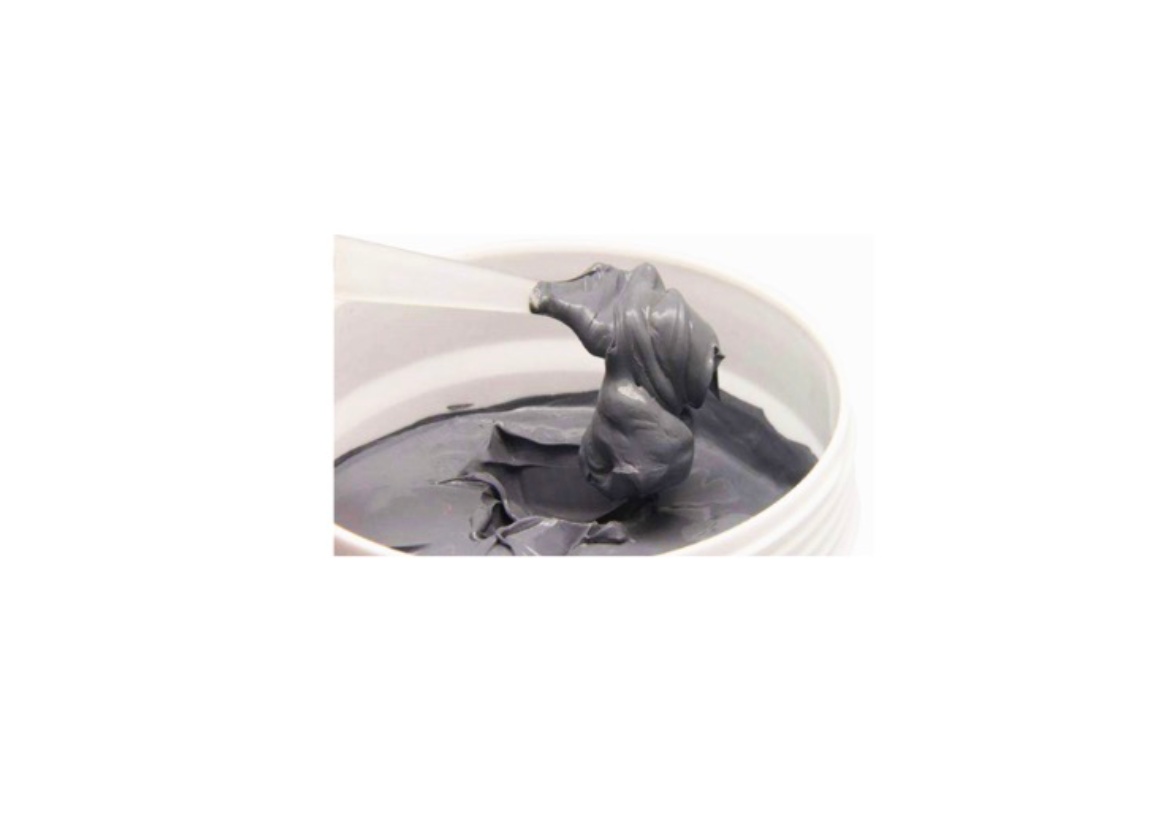
Thermal Pastes (or Greases): Composed of a binder and thermally conductive particles, thermal pastes are commonly used in applications where high-performance thermal management is needed. They provide a superior level of heat transfer by filling in the smallest gaps between the heat source and heat sink. These are often applied in CPUs, GPUs, and power electronics.
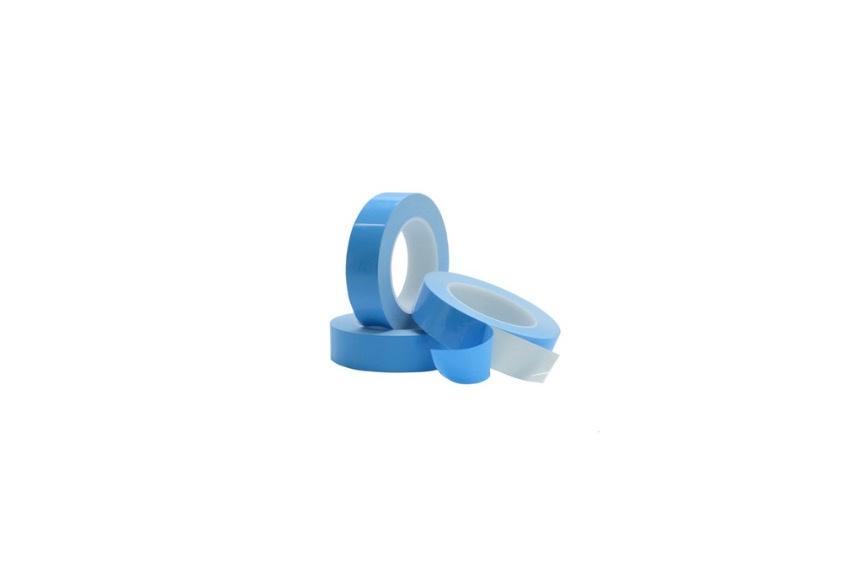
Thermal Tapes: These adhesive-backed materials are convenient for bonding components that require consistent and reliable heat transfer. The tape’s adhesive ensures that the material stays in place, making it ideal for applications where components may need to be removed or replaced.
Phase Change Materials (PCMs): These materials change phase (from solid to liquid) at a specific temperature, providing excellent thermal conductivity once in their liquid phase. PCMs are particularly useful in applications that experience fluctuating temperatures and require a high degree of heat absorption.
Characteristics of effective TIMs
Thermal Conductivity: This is the most crucial characteristic of any TIM. The material must have a high thermal conductivity to effectively transfer heat from the component to the heat sink. Higher thermal conductivity values generally result in better performance, especially in high-power devices.
Durability: TIMs must maintain their properties over time. Thermal cycling and exposure to environmental factors such as temperature variations, humidity, and mechanical stress can degrade the material. A durable TIM ensures long-term performance without compromising heat transfer efficiency.
Ease of Application: Depending on the application, TIMs should be easy to apply without causing significant issues during installation. Materials that are too viscous, difficult to spread, or require complex curing processes can complicate the manufacturing process. For ease of use, many manufacturers prefer materials that are ready-to-use or simple to apply.
Challenges in High-Power Electronics Heat Management
High-power electronics, particularly those found in industries like electric vehicles, telecommunications, and high-performance computing, often generate large amounts of heat due to their dense circuits and high energy demands. This heat generation can result from a variety of factors, including high current flows, rapid switching of transistors, and the inherent inefficiencies of converting electrical energy into mechanical or computational outputs.
The consequences of poor thermal management are severe. Without adequate cooling, electronic components can overheat, leading to thermal shutdowns, reduced operational efficiency, and in extreme cases, permanent damage to the components. In high-power applications, the lack of proper heat dissipation can lead to decreased lifespan, performance degradation, and increased risk of failure.
Common materials used for heat dissipation in electronics include aluminum heat sinks, copper-based coolers, and traditional thermal pads. However, these materials often have limitations in high-power applications. For example, aluminum heat sinks are effective in many situations but may not provide sufficient thermal conductivity for high-density electronic components. Similarly, traditional thermal pads or pastes may not provide the level of thermal transfer required for more demanding power devices.
Key Factors to Consider When Selecting TIMs for High-Power Electronics
When selecting the ideal TIM for high-power electronics, several critical factors must be considered to ensure efficient thermal management:
Thermal Conductivity: One of the most important factors in choosing the right TIM is its thermal conductivity. TIMs with higher thermal conductivity will transfer heat more effectively, reducing the temperature rise in the electronic components. When selecting a TIM, it is crucial to match its thermal conductivity with the heat generation of the device.
Mechanical Properties: Flexibility, compressibility, and adhesion are key to ensuring that the TIM remains in place and maintains a good interface over time. TIMs should be able to conform to the surfaces they are applied to, ensuring that there is minimal air gap and maximum thermal transfer.
Material Compatibility: TIMs must be compatible with the materials of the components they are applied to. For instance, using a material that does not adhere well to the surfaces can result in poor heat transfer, while materials that react chemically with the device could cause corrosion or damage. Ensuring compatibility between the TIM and both the electronic component and heat sink is essential.
Environmental Resistance: High-power electronics often operate in demanding environments. TIMs need to withstand extreme temperatures, moisture, and exposure to chemicals or other harsh conditions without degrading. High-quality TIMs are designed to maintain their properties and effectiveness in these challenging conditions.
Cost-Effectiveness: While high-performance TIMs are necessary for many high-power applications, it is important to balance cost and performance. Opting for the most expensive materials may not always be necessary, especially if a more cost-effective solution can still meet thermal requirements. Choosing the right TIM involves evaluating the performance benefits relative to the cost.
Best Practices for Optimizing TIMs
When applying Thermal Interface Materials (TIMs) in high-power electronics, it’s essential to follow best practices to maximize their performance. These include ensuring uniform thickness, distributing pressure evenly across the interface, and avoiding air gaps. Air gaps, even microscopic, can create significant thermal resistance, reducing the efficiency of heat transfer. To achieve optimal thermal conductivity, apply the TIM evenly to create a smooth, uniform layer between the component and heat sink.
Proper pressure distribution is equally crucial. The correct amount of pressure helps the TIM fill any gaps and ensures good contact between the surfaces, enhancing heat conduction. Too much pressure can lead to material compression and a loss of thermal performance, while too little pressure may result in poor contact and increased thermal resistance.
Additionally, the alignment between components plays a key role in maximizing thermal efficiency. Accurate alignment ensures that heat is transferred directly from the heat-generating component to the heat sink, preventing unnecessary heat buildup. Misalignment can create inefficient thermal paths, reducing the overall effectiveness of the cooling system.
Finally, maintaining thermal performance over time is essential. Many TIMs, especially pastes and phase-change materials, may degrade with thermal cycling or over long periods. Regular inspection and reapplication of TIMs may be necessary to ensure continued optimal performance, especially in high-power applications where temperature fluctuations are frequent.
Innovative TIM Solutions for Emerging Technologies
As industries like electric vehicles, 5G infrastructure, and advanced computing continue to evolve, the demand for high-performance TIMs grows. These sectors require TIMs that not only deliver exceptional thermal conductivity but can also withstand the unique challenges posed by high-power devices and dynamic operating conditions. In electric vehicles, for example, TIMs must efficiently manage heat in power electronics and battery systems, which experience rapid temperature changes during operation.
Recent advances in material science have led to the development of next-generation TIMs. These innovations focus on improving both thermal conductivity and long-term durability. Materials like graphene-based composites and advanced phase-change materials (PCMs) are being explored for their ability to handle the intense heat demands of modern electronics. These materials offer superior performance and can sustain higher temperatures without degrading, making them ideal for next-generation devices.
Looking to the future, TIM technology is expected to evolve with trends like nanomaterial integration and adaptive TIMs, which can dynamically respond to temperature changes. These innovations promise to enhance thermal management solutions even further, ensuring that high-power electronics can continue to perform efficiently and reliably under increasingly demanding conditions.
Conclusion
In high-power electronics, selecting and optimizing the right Thermal Interface Material (TIM) is crucial to ensure efficient heat dissipation and maintain device reliability. By choosing a TIM with the right thermal conductivity, durability, and ease of application, manufacturers can improve device performance, increase lifespan, and prevent overheating issues.
As the demands of emerging technologies continue to grow, it’s important to stay ahead of the curve with innovative TIM solutions. From electric vehicles to advanced computing, the right TIM can make a significant difference in how efficiently and reliably these devices perform.
Explore our range of high-quality TIM products to optimize your thermal management solutions and ensure the longevity and performance of your high-power electronic devices.