Welcome to Taxo Tape
How to Minimize Thermal Contact Resistance in Battery Management Systems
Introduction
Definition of Thermal Contact Resistance (TCR)
Thermal Contact Resistance (TCR) refers to the resistance encountered at the interface between two surfaces that are in contact with each other and through which heat must pass. This resistance arises from microscopic surface roughness, material properties, and the pressure at the interface. Essentially, TCR is a measure of how effectively heat flows across the interface of two materials, and it is a critical factor in thermal management.
In practical applications, such as in Battery Management Systems (BMS), minimizing TCR is essential for efficient heat dissipation and ensuring the safe operation of batteries and electronic components. High TCR can cause heat to accumulate at contact points, reducing the overall thermal conductivity and leading to inefficiencies in thermal management.
Importance in Battery Management Systems (BMS)
In Battery Management Systems, TCR plays a crucial role in the system’s performance, efficiency, and longevity. Battery packs generate significant amounts of heat during charge and discharge cycles, and the management of this heat is vital for maintaining optimal performance. TCR directly influences how effectively heat is transferred from sensitive components, such as battery cells and power electronics, to thermal management solutions like heat sinks or thermal pads.
A high TCR at key contact points in a BMS can cause localized hotspots, which may result in thermal runaway, reduced battery efficiency, or even complete failure of critical components. By minimizing TCR, it is possible to maintain a stable temperature across the system, improving efficiency, extending the battery's lifespan, and ensuring reliable operation in various environmental conditions.
The Role of Thermal Contact Resistance in Battery Management Systems
Heat Generation in BMS
Heat generation is a natural byproduct of electrical and chemical reactions within a battery pack. During charging and discharging cycles, the movement of ions through the battery’s internal structure produces heat. Additionally, power conversion and control systems within a BMS, such as voltage regulators, can generate heat due to energy losses. If this heat is not effectively dissipated, it can cause components to overheat and degrade over time, leading to performance losses or even failure.
Effective heat management is essential for maintaining safe operating temperatures. The role of thermal interface materials (TIMs) and careful design strategies, such as optimizing the surface contact between components, becomes critical in reducing TCR and improving heat flow across the system.
Effects of High TCR on Battery Performance
High thermal contact resistance at key interfaces within the BMS leads to several issues. For one, it increases the temperature difference between components, creating thermal hotspots that can reduce the efficiency of the system. The higher the TCR, the more difficult it is for heat to flow through these interfaces, meaning the system must work harder to dissipate excess heat.
This inefficiency can cause the battery to operate at elevated temperatures, which may lead to reduced charge capacity, lower power output, and slower charging times. Moreover, prolonged exposure to high temperatures due to poor thermal management can significantly reduce the battery's lifespan, as elevated temperatures accelerate chemical degradation within the battery cells.
Potential Risks of Inadequate TCR Management
If TCR is not properly managed, it can lead to several serious risks, including:
Overheating: If heat cannot pass efficiently from the battery cells or power electronics, it accumulates, leading to dangerous temperature rises. Overheating can cause permanent damage to components and, in extreme cases, result in thermal runaway or fires.
Shortened Lifespan: Continuous thermal stress from high TCR can degrade the performance of battery cells and other components over time, reducing their lifespan and performance efficiency.
Component Failure: Critical components, such as capacitors, diodes, and transistors, are sensitive to temperature fluctuations. If TCR is not controlled, excessive heat may lead to failure of these components, affecting the entire BMS’s functionality.
Common Causes of Thermal Contact Resistance in BMS
Material Incompatibility
One of the primary causes of high TCR in BMS is the use of materials with poor thermal conductivity or incompatible surface properties. For example, metal-to-metal or metal-to-plastic interfaces can exhibit higher thermal resistance if the materials are not well-matched for heat transfer. Additionally, materials with low intrinsic thermal conductivity, like certain types of plastics or non-metallic composites, can exacerbate thermal resistance at contact points.
Using high-quality materials like copper, aluminum, or thermally conductive ceramics can help reduce TCR, but compatibility between the materials must also be considered. Proper selection of thermal interface materials (TIMs) can also mitigate these issues.
Surface Roughness
The roughness of the surfaces in contact plays a significant role in TCR. Ideally, the surfaces of components should be as smooth and flat as possible to ensure better thermal contact. However, in reality, most surfaces have microscopic asperities that create gaps between them, trapping air—an insulating material—within these voids. These gaps hinder the transfer of heat and increase TCR.
To minimize the effect of surface roughness, manufacturers often employ surface preparation techniques such as polishing or using thermal interface materials that can conform to surface irregularities, filling in gaps and ensuring better thermal contact.
Environmental Factors
Environmental factors such as humidity, contamination, and temperature fluctuations can also impact TCR. Dust, dirt, or oil on the surface of components can create a layer that insulates thermal contact, increasing resistance. Similarly, moisture in the air can lead to oxidation of materials, which reduces the thermal conductivity of the contact surfaces.
Proper environmental controls during the manufacturing and assembly of BMS systems, such as cleanroom conditions and the use of protective coatings, can help reduce the impact of these factors on TCR.
Strategies for Minimizing Thermal Contact Resistance
Using High-Quality Thermal Interface Materials (TIMs)
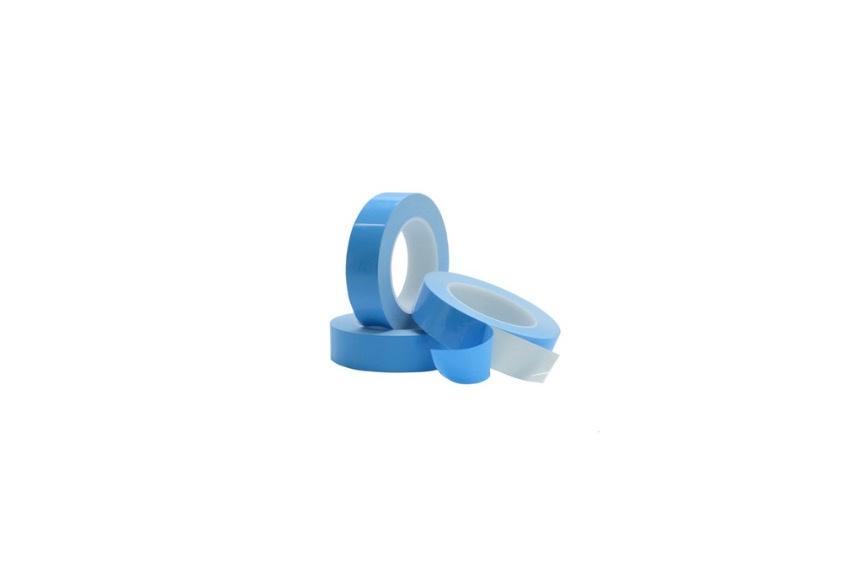
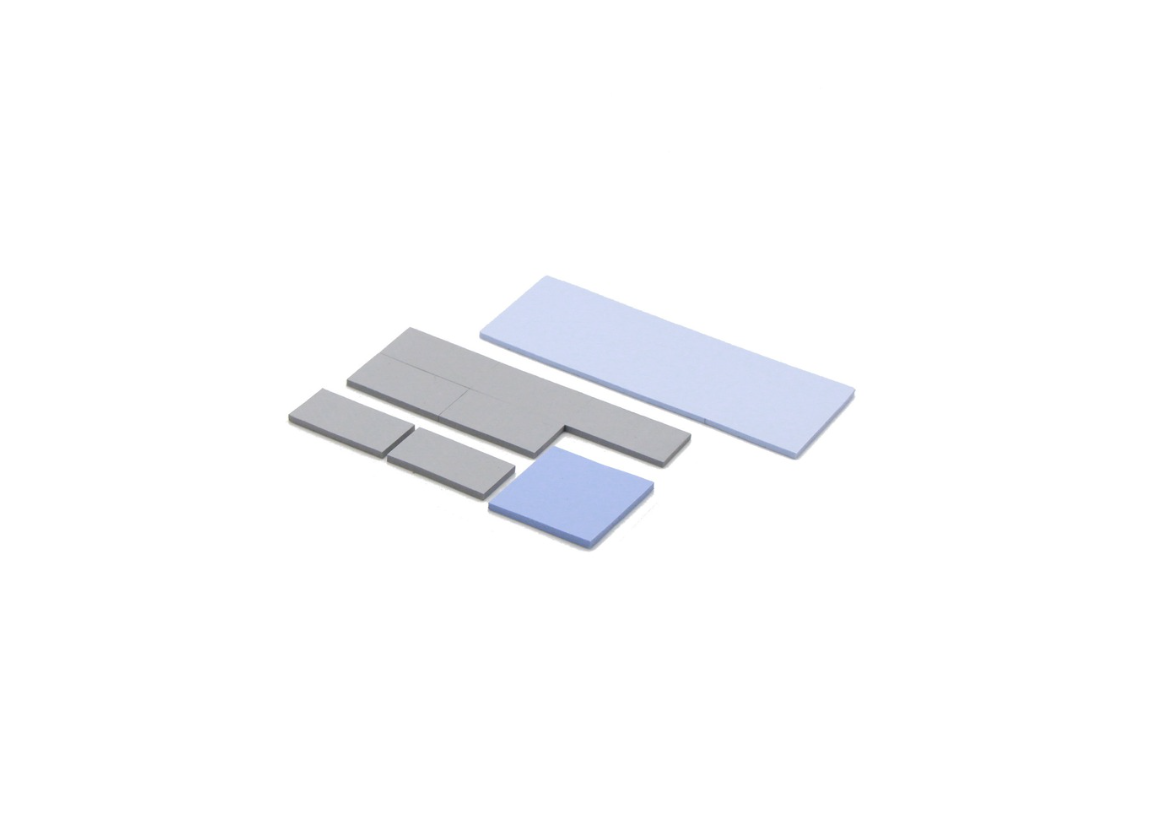
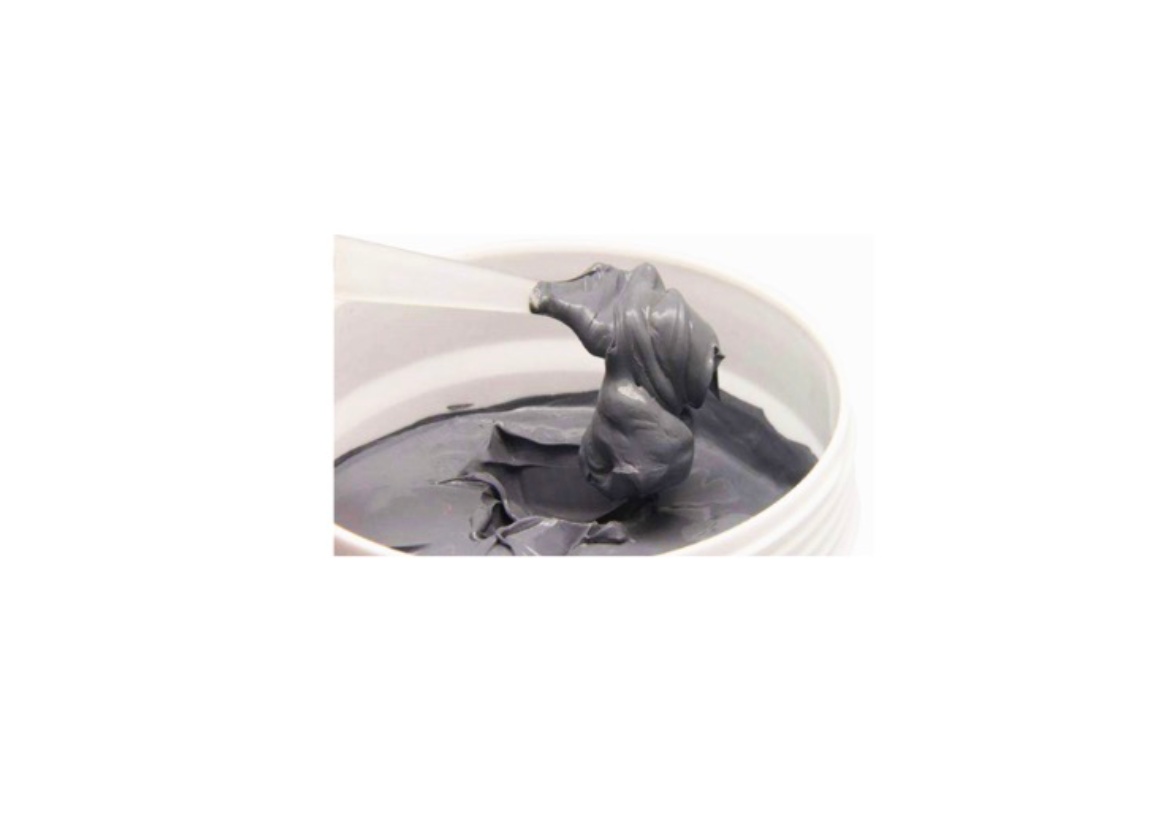
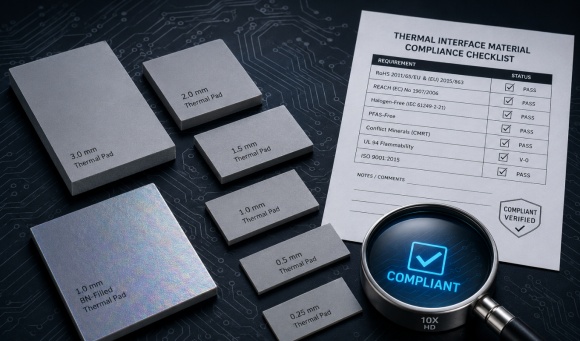
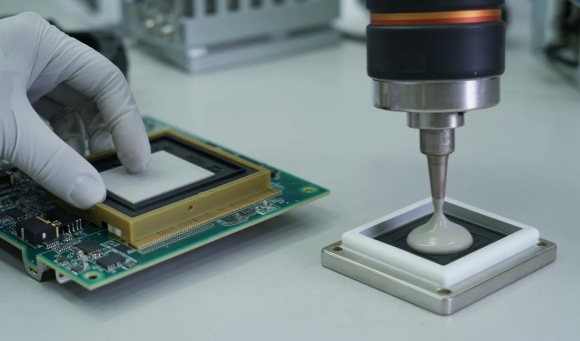
One of the most effective strategies for reducing Thermal Contact Resistance (TCR) is the use of high-quality Thermal Interface Materials (TIMs). These materials, such as thermal pads, thermal pastes, and thermal gels, play a vital role in filling microscopic gaps between contacting surfaces. TIMs ensure better thermal conductivity by providing a more consistent interface for heat transfer.
Thermal Pads: These are solid, compressible materials often used in applications where easy installation is required. They are ideal for reducing TCR in less precise or uneven surfaces.
Thermal Pastes and Gels: These materials are more fluid than thermal pads, allowing them to conform closely to surfaces and provide excellent heat transfer. They are especially effective in high-performance systems that require tight thermal management.
By carefully selecting and applying the appropriate TIM, the thermal contact resistance between critical components in a Battery Management System (BMS) can be minimized, improving heat dissipation and efficiency.
Optimizing Surface Preparation and Flatness
A key factor in minimizing TCR is the condition of the surfaces in contact. Uneven or rough surfaces create gaps and air pockets, which impede heat flow. Therefore, ensuring that the surfaces are as smooth and flat as possible is crucial.
Polishing or Grinding: These techniques improve surface flatness, allowing the materials to come into closer contact with each other.
Precision Alignment: Proper alignment of components during assembly ensures uniform pressure across the contact area, which reduces the thermal resistance.
By focusing on these surface preparation strategies, the heat transfer efficiency between components can be significantly improved.
Thermal Grease and Paste Solutions
The choice of thermal paste or grease is critical in minimizing TCR. These materials enhance thermal conductivity by filling microscopic gaps between components and improving the flow of heat.
Choosing the Right Paste: Thermal pastes come in various formulations, including silicone-based and metal-based options. Selecting the right paste depends on the specific application, with metal-based pastes typically providing superior thermal performance. However, silicone-based pastes can offer greater ease of application and are ideal for components with less stringent thermal management needs.
By applying the right amount of thermal paste and ensuring good contact, TCR can be lowered, resulting in better heat dissipation and more efficient performance of the BMS.
Advanced Materials and Techniques
In addition to traditional TIMs, advanced materials and techniques are increasingly being used to reduce TCR in high-performance applications:
Graphite: Graphite is an excellent thermal conductor and can be used as a material in thermal interface solutions. Its use helps significantly reduce thermal resistance while providing flexibility.
Phase Change Materials (PCMs): PCMs absorb and release heat as they change phases (from solid to liquid and vice versa). They can help maintain temperature stability and reduce the risk of hotspots in battery systems.
These advanced materials provide enhanced heat transfer and thermal stability, offering even more effective solutions for managing TCR.
Proper Assembly and Tightness of Components
Finally, ensuring proper assembly and maintaining adequate pressure between components is critical for reducing gaps that contribute to high TCR. Inadequate pressure can result in inefficient thermal contact, which increases resistance.
Maintaining Consistent Pressure: Proper tightening of components ensures uniform contact and reduces the formation of air pockets or voids at the interface.
Regular Inspections: Ensuring that all components are properly aligned and securely fixed helps avoid any thermal resistance buildup during the BMS’s operational lifespan.
By focusing on these assembly best practices, you can achieve better heat transfer and minimize TCR in your BMS.
Benefits of Minimizing Thermal Contact Resistance
Improved Heat Dissipation
Effectively minimizing TCR leads to more efficient heat transfer, which is crucial for overall heat dissipation. As TCR decreases, the thermal stability of the system improves, ensuring that the battery management system operates within its optimal temperature range.
Increased Battery Life and Efficiency
By managing TCR, the battery operates at lower, more stable temperatures, which increases the lifespan of the battery. Lower temperatures also improve the efficiency of the system by reducing energy losses that occur due to excessive heat buildup.
Enhanced Safety and Reliability
Efficient thermal management reduces the risk of overheating, thermal runaway, and component failure. By controlling TCR, the BMS can operate safely and reliably, reducing the likelihood of system malfunctions and prolonging the overall lifespan of the battery.
Conclusion
Summary of Key Points
Minimizing Thermal Contact Resistance (TCR) is essential for improving the efficiency, performance, and safety of Battery Management Systems. By using high-quality TIMs, optimizing surface preparation, applying the right thermal paste, exploring advanced materials, and ensuring proper assembly, TCR can be effectively minimized. These strategies lead to better heat dissipation, longer battery life, and enhanced system reliability.
Call to Action
If you are looking to optimize the thermal performance of your Battery Management System, consider professional solutions like high-quality TIMs and advanced materials. Reach out to us for tailored recommendations to suit your specific BMS requirements and enhance the performance of your battery systems.