Welcome to Taxo Tape
How to Evaluate Thermal Conductive Tape Quality for Reliable Heat Transfer
Introduction
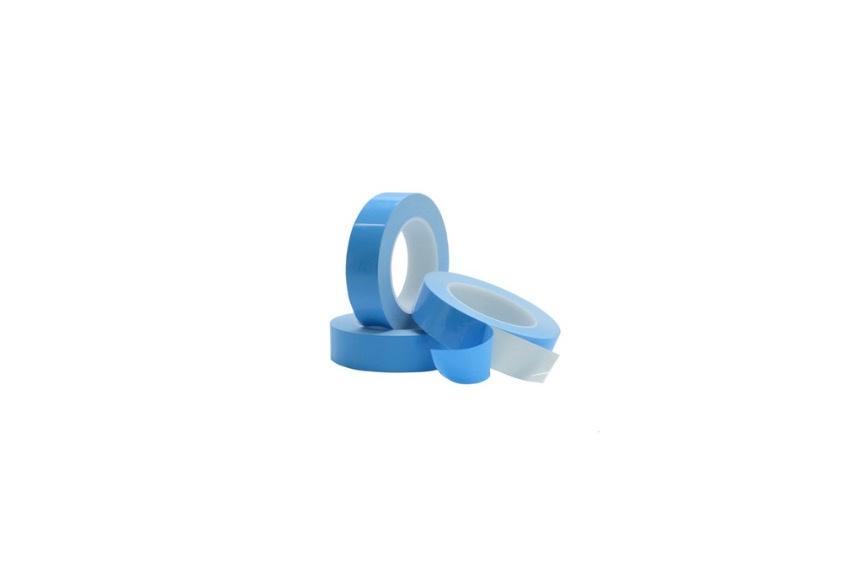
Thermal conductive tapes are essential materials for modern electronic assemblies, ensuring both strong adhesion and efficient heat dissipation between heat sources and heat sinks. However, not all tapes deliver the same level of performance. Selecting a reliable product requires careful evaluation of several key quality parameters — from thermal conductivity to long-term stability.
This article outlines the main factors engineers should consider when assessing the quality of thermal conductive tape to guarantee dependable heat transfer and device reliability.
Understanding What Defines Tape Quality
High-quality thermal conductive tape must perform two core functions consistently:
Transfer heat efficiently between components.
Maintain stable adhesion under thermal cycling and environmental stress.
A tape that fails in either area can lead to rising operating temperatures, reduced component life, or even system failure. Quality evaluation ensures the selected material aligns with the thermal and mechanical demands of the specific application.
Key Parameters to Evaluate
2.1 Thermal Conductivity (W/m·K)
This is the most direct indicator of a tape’s heat transfer capability.
Typical values range from 0.8 to 3.0 W/m·K, depending on the filler type (e.g., ceramic, aluminum oxide, or boron nitride).
For power devices or LEDs that generate substantial heat, higher thermal conductivity ensures faster and more uniform heat flow to the heat sink.
2.2 Adhesive Strength
Thermal performance is meaningless if the tape cannot maintain firm contact between surfaces.
Adhesive strength, measured in N/cm or gf/in, determines how well the tape stays bonded under temperature changes or mechanical vibration.
Consistent bonding pressure helps minimize air gaps, which are the main cause of thermal resistance.
2.3 Electrical Insulation
Many electronic applications require not only good thermal transfer but also electrical isolation.
High-quality tapes are designed with dielectric layers or silicone-based adhesives that provide insulation values above 2.0 kV, preventing short circuits or leakage currents in high-voltage systems.
2.4 Thickness Uniformity
Uneven thickness can create thermal bottlenecks.
A premium thermal tape should maintain consistent thickness and surface flatness across its width to ensure uniform contact and predictable thermal performance.
2.5 Temperature Resistance and Aging Performance
Thermal tapes used in harsh environments — such as automotive or power electronics — must endure prolonged exposure to heat.
Aging tests at elevated temperatures (e.g., 150–200°C for 1000 hours) can reveal whether the tape’s adhesion and conductivity degrade over time.
Testing Methods for Quality Verification
Reliable suppliers often provide data from standardized tests, such as:
ASTM D5470 for thermal resistance measurement
UL 94 for flame retardancy
Dielectric breakdown voltage testing
Peel strength and shear resistance tests
Verifying that these tests have been conducted by certified labs adds confidence in material quality and ensures consistency across production batches.
Supplier Evaluation Criteria
Beyond the product itself, engineers should also assess:
Consistency of batch quality and traceability
Availability of technical support and customization
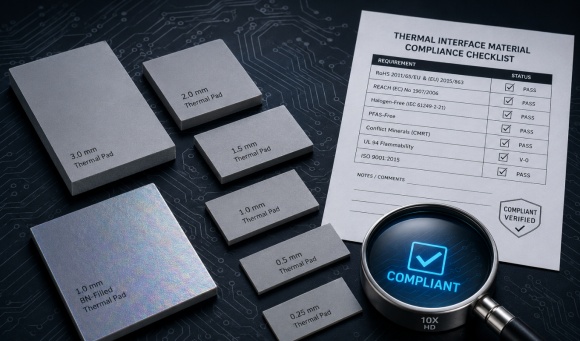
Compliance with RoHS and REACH standards
Transparent data sheets and performance validation
Choosing a manufacturer with proven material expertise and application knowledge often makes the difference between short-term fixes and long-term reliability.
Conclusion
Evaluating thermal conductive tape quality is more than just checking data sheet numbers — it requires a comprehensive look at how the material performs under real-world conditions.
By focusing on thermal conductivity, adhesion, insulation, and durability, engineers can ensure their systems maintain efficient and stable heat transfer, leading to longer equipment life and fewer thermal failures.