Welcome to Taxo Tape
How to Improve Heat Dissipation in Compact Industrial Electronics
Introduction: The Challenge of Thermal Management in Compact Designs
As industrial electronics continue to evolve, devices are becoming smaller, lighter, and more power-dense. From motor controllers and inverters to embedded automation modules, compact design is now a defining feature of next-generation systems. However, this miniaturization brings a serious engineering challenge—how to manage heat efficiently when space is extremely limited.
The issue lies in thermal density—more power is being generated per cubic centimeter than ever before. When heat cannot escape efficiently, local temperature rise affects not only performance but also reliability and safety. Overheating can accelerate component aging, shift electrical parameters, and cause premature failure of semiconductors, capacitors, and solder joints. Effective thermal design is therefore not optional—it is a critical factor in ensuring stable operation and long product lifetime.
Understanding the Thermal Path in Compact Systems
To control heat effectively, engineers must first understand how it travels through a system. In any electronic assembly, heat flows along a chain of interfaces—
chip → package → PCB → enclosure → ambient air.
Each segment introduces some resistance to heat flow, and the overall performance depends on the weakest link.
In compact industrial devices, thermal bottlenecks often occur at interface points—between a semiconductor and its heat spreader, or between a PCB and a metal chassis. Limited airflow and small surface area further restrict heat dissipation to the surrounding environment.
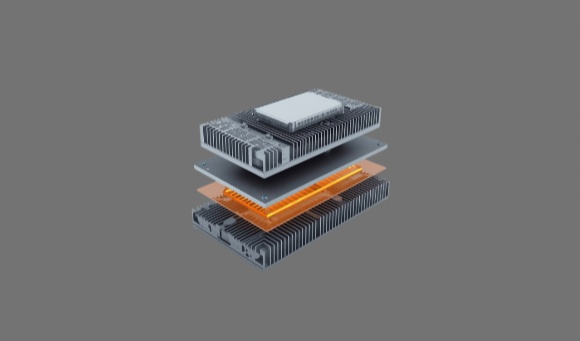
The choice of materials, mounting structure, and airflow design all influence the final thermal behavior. For instance, a well-conductive path using aluminum substrates and thermally optimized housings can drastically reduce temperature rise even in enclosed systems.
Key Factors Limiting Heat Dissipation
Designing for efficient thermal performance in compact systems involves overcoming several common constraints:
High Component Density: Components are packed tightly on both sides of the PCB, leaving minimal space for airflow or heat spreading.
Reduced Surface Area: Smaller enclosures limit the available area for convection and radiation.
Enclosed Housings: Dustproof or waterproof casings often trap heat, especially in IP-rated designs for industrial or outdoor use.
Poor Interface Contact: Insufficient thermal connection between heat sources (like MOSFETs or ICs) and heat sinks results in local hot spots.
Early Design Oversight: Thermal considerations are sometimes postponed until late in the design process, when mechanical constraints are already fixed—making optimization much harder.
Addressing these factors requires a combination of material innovation and thoughtful mechanical integration.
Material Solutions for Better Heat Transfer
Selecting appropriate thermal materials is one of the most effective ways to improve heat dissipation without major design changes. Each material serves a distinct function in guiding heat from source to sink.
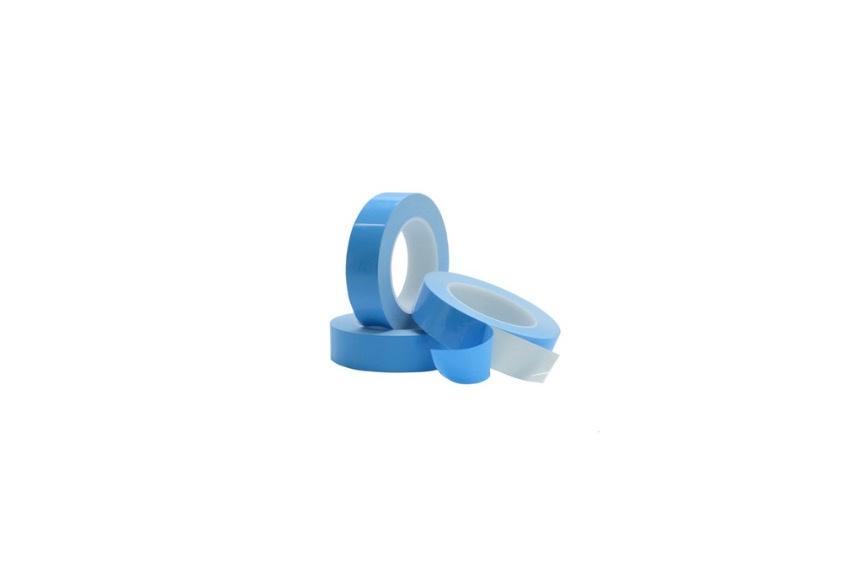
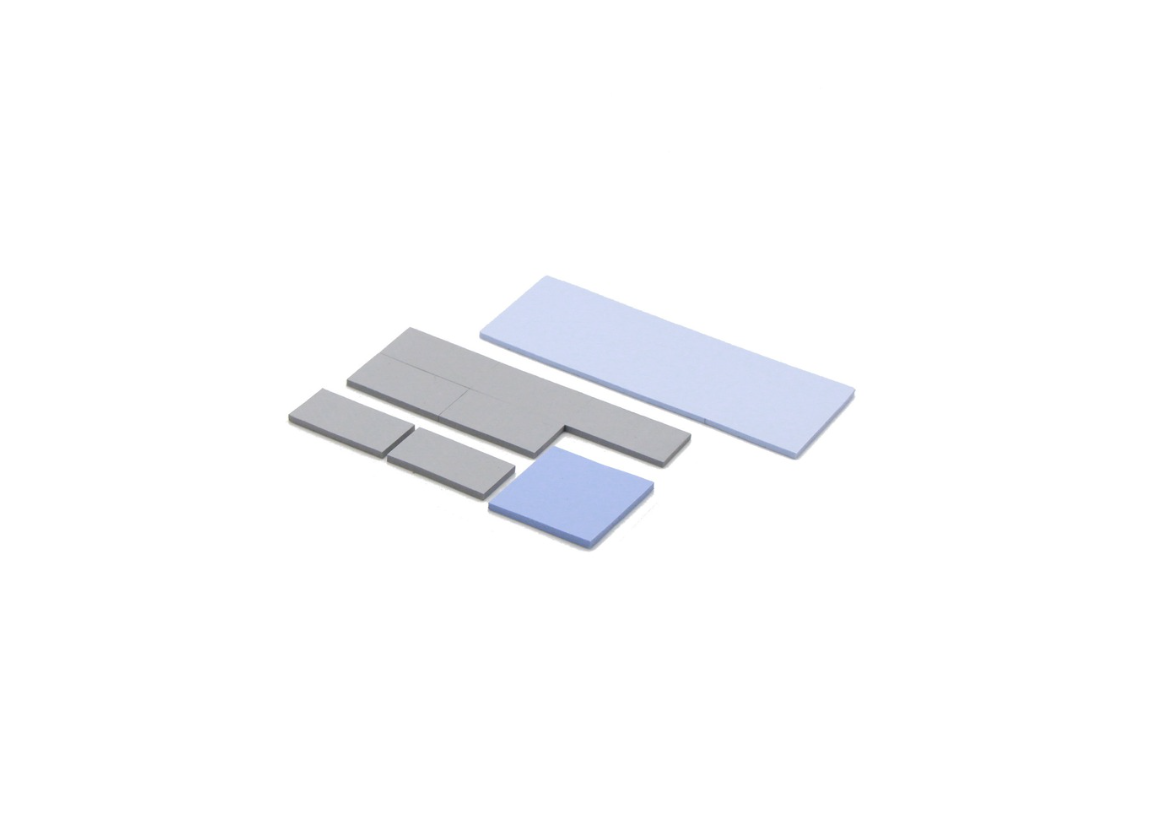
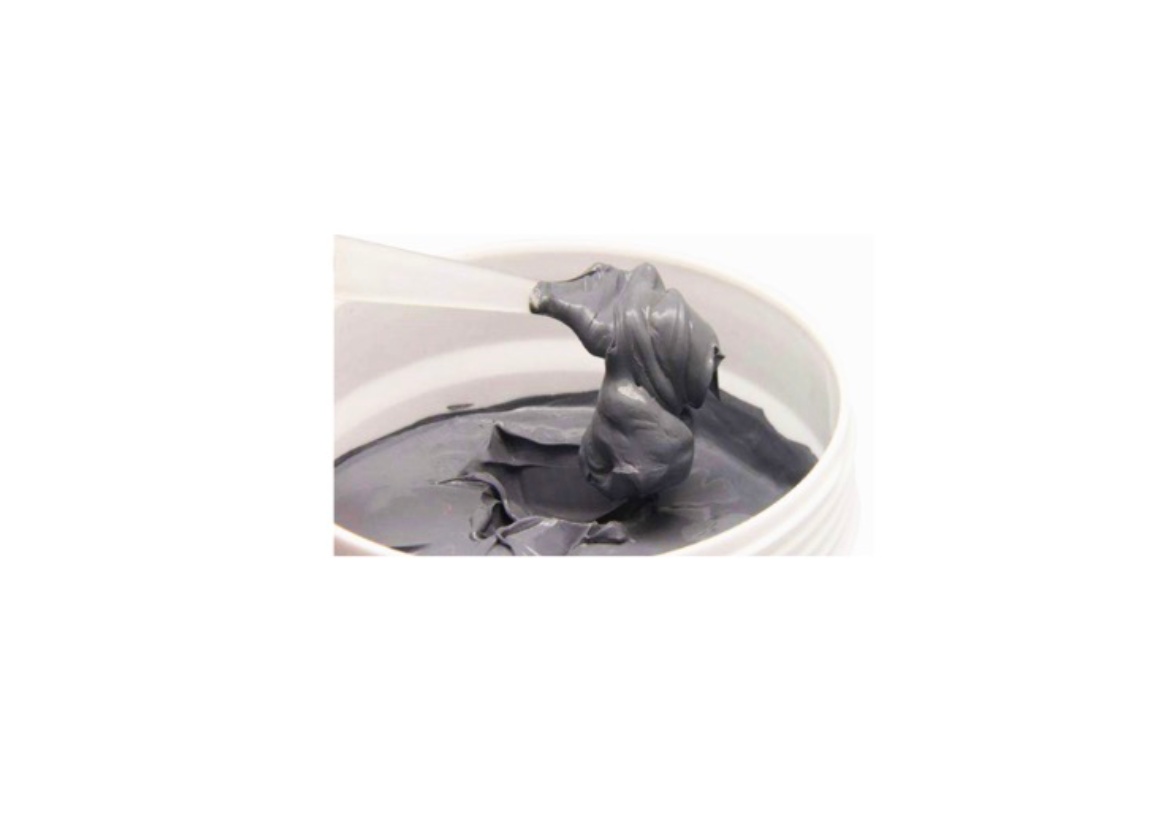
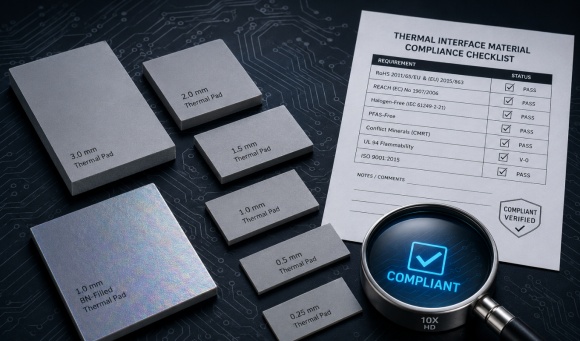
Thermal Interface Materials (TIMs): Silicone pads, greases, gels, and phase change materials (PCMs) are used to eliminate microscopic air gaps between surfaces. The right TIM ensures stable contact and consistent thermal conductivity over time.
Graphite Sheets and Thermal Films: Ideal for compact spaces, these materials spread heat laterally, equalizing temperature distribution across crowded PCBs.
Aluminum Substrates and Metal-Core PCBs (MCPCBs): Replacing standard FR-4 with thermally conductive bases enhances vertical heat flow away from components.
Encapsulants and Potting Compounds: Specialized silicone or epoxy-based materials help manage heat while providing mechanical protection in sealed assemblies.
Choosing the correct combination of these materials allows designers to balance conductivity, mechanical stress absorption, and assembly convenience.
Structural and Mechanical Design Improvements
Thermal design is not just about choosing materials—it’s about how those materials are integrated into the mechanical structure. Several design strategies can significantly enhance heat dissipation in compact systems:
Integrating Heat Spreaders and Embedded Heat Pipes: Adding thin copper or vapor chamber structures beneath heat-generating zones helps distribute and transport heat more evenly.
Optimizing PCB Layout: Place high-power components strategically to avoid clustering, and use thermal vias or copper pours to spread heat efficiently.
Using Metal Housings as Thermal Paths: A metal enclosure can act as an effective secondary heat sink if properly connected to internal hot spots via TIMs or conductive pads.
Designing for Natural Convection: When active cooling (fans) isn’t feasible, enclosure geometry and vent placement can be tuned to promote upward airflow and passive heat removal.
These design refinements, though sometimes subtle, often yield large improvements in thermal stability and allow compact systems to meet demanding performance and lifetime requirements.
Assembly and Process Considerations
Even with the right materials and mechanical design, assembly precision plays a decisive role in achieving consistent thermal performance. Small variations in mounting torque, surface flatness, or TIM application can create large temperature differences between identical units.
To minimize such variability:
Ensure proper surface contact and flatness. Machine-finished surfaces should be clean, level, and free from burrs or warping. Any unevenness reduces the effective contact area and increases thermal resistance.
Control TIM thickness and pressure distribution. Use calibrated torque tools and fixtures to maintain a uniform bond line. Over-compression can cause material pump-out, while under-pressure leaves air voids.
Avoid voids or delamination during bonding and curing. Trapped air pockets act as insulators and often lead to localized overheating or early failure. Controlled lamination and degassing procedures help eliminate this risk.
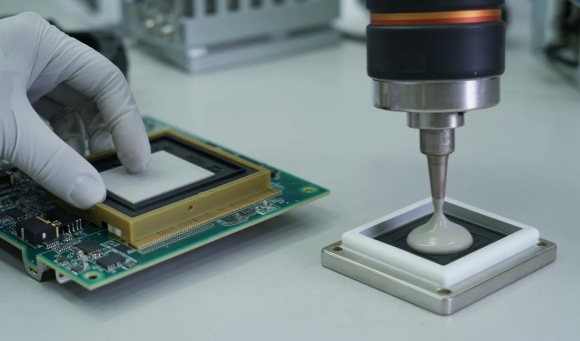
Leverage automation and pressure calibration. Automated dispensing or stencil printing ensures consistent TIM volume and pattern, especially in large production runs. Pressure mapping films can be used during process validation to confirm uniform clamping force.
A controlled assembly process ensures every unit performs thermally as designed—critical for high-reliability industrial systems.
Active Cooling Options in Compact Systems
While passive design is preferred for its simplicity and reliability, certain high-power compact systems demand active cooling to maintain safe junction temperatures.
Micro-fans or blowers: Effective in small enclosures where limited airflow leads to thermal buildup. However, they add mechanical complexity, noise, and potential maintenance needs.
Vapor chambers and micro heat pipes: These advanced structures spread and transport heat efficiently with minimal space impact, making them ideal for dense electronic assemblies.
Thermoelectric coolers (TECs): Useful for spot cooling high-power components or sensors where precise temperature control is critical.
Liquid microchannel plates: An emerging solution for ultra-compact, high-power devices—offering exceptional heat flux capacity, though with added system cost and design complexity.
Choosing the right cooling method depends on the power density, allowable temperature rise, and long-term reliability requirements of the system.
Case Study: Improving Thermal Performance in a Compact Power Controller
A manufacturer of compact power controllers faced reliability issues due to hot spots and elevated junction temperatures in a sealed industrial housing. Thermal imaging revealed uneven heat distribution and inadequate interface contact between the IGBT module and aluminum baseplate.
Actions taken:
Optimized the TIM selection and bond line thickness to ensure consistent coverage.
Introduced a graphite heat-spreading film to distribute heat laterally.
Improved clamping pressure uniformity by redesigning the mounting structure.
Results:
After implementation, the junction temperature dropped by approximately 15°C, and thermal resistance (Rth) was reduced by around 18%. The system demonstrated improved thermal balance and passed extended reliability tests under thermal cycling and vibration.
This case highlights how targeted material and assembly improvements can dramatically enhance heat dissipation in confined spaces.
Design Tips for Thermal Optimization in Early Stages
Thermal challenges are best solved before the mechanical design is finalized. Early collaboration between design teams allows flexibility in choosing materials and optimizing geometries.
Simulate heat flow early. Use thermal modeling tools to visualize hotspots and optimize component placement before committing to hardware.
Select TIM and mechanical interfaces together. The performance of one depends heavily on the other; design compression zones accordingly.
Test for long-term reliability. Validate under thermal cycling, vibration, and humidity to capture real-world degradation.
Foster cross-functional collaboration. Encourage communication among electrical, mechanical, and materials engineers to achieve an integrated thermal strategy.
By considering thermal management as a design foundation rather than a corrective measure, engineers can ensure performance stability from prototype to production.
Summary: Building Thermally Reliable Compact Systems
Achieving efficient heat dissipation in compact industrial electronics requires a holistic approach—combining material innovation, structural design, precise assembly, and early simulation.
Key takeaways include:
Select high-performance TIMs and heat-spreading materials tailored to your system’s power density.
Use metal-core PCBs, heat spreaders, or enclosures as part of the thermal path.
Maintain strict process control during assembly to ensure repeatable interface quality.
Incorporate thermal design early, validating with realistic operating conditions.
When properly executed, these strategies not only reduce junction temperatures but also extend product life, enhance reliability, and lower field maintenance costs—key metrics in today’s compact industrial electronics.