Welcome to Taxo Tape
How to Improve Battery Pack Thermal Management with Thermal Interface Materials
Introduction
Brief Overview: Importance of Thermal Management in Battery Packs for Various Industries
Thermal management plays a crucial role in ensuring the safe and efficient operation of battery packs across a variety of industries, from automotive to consumer electronics and renewable energy. In electric vehicles (EVs), for instance, battery packs are subjected to high power loads during charging and discharging, generating significant heat that can negatively impact performance. In consumer electronics like smartphones, laptops, and wearable devices, efficient thermal management prevents overheating, which could otherwise lead to shorter battery life or device malfunction. Additionally, in renewable energy storage systems, managing heat is essential to maximize the efficiency and lifespan of energy storage solutions, enabling them to operate at their best.
As the demand for high-performance batteries increases across these sectors, ensuring effective thermal management has become a critical factor in advancing battery technology and ensuring long-term reliability.
Key Challenges: Primary Issues in Battery Pack Thermal Management
Battery packs often face a range of thermal management challenges that can compromise their performance, safety, and longevity. Heat generation is the most significant challenge. During operation, especially under high power loads or fast charging, battery cells generate considerable heat, which needs to be efficiently dissipated. Failure to manage this heat can lead to overheating, reducing the battery's performance and lifespan.
The second key issue is maintaining energy efficiency. If a battery pack is unable to efficiently dissipate heat, its temperature rises, which can result in thermal throttling and reduced energy output, ultimately affecting the overall system’s efficiency.
Lastly, safety concerns are paramount. Excessive heat can lead to dangerous situations such as thermal runaway or even fires in extreme cases. Hot spots within battery packs are another critical issue. These localized areas of excessive heat can cause irreversible damage to battery cells and other components, often leading to complete system failure.
Understanding Thermal Management in Battery Packs
Why Thermal Management Matters
Effective thermal management is vital for optimizing battery pack performance, extending their lifespan, and ensuring user safety. Battery performance is directly impacted by temperature fluctuations. Excessive heat can degrade battery materials, reduce charge cycles, and even cause permanent damage to battery cells, leading to reduced capacity. On the other hand, operating in suboptimal temperatures—whether too hot or too cold—can impair battery efficiency, causing slower charging times or reduced energy output.
Beyond performance, temperature is a major factor in the safety of battery packs. Batteries that are exposed to high temperatures can overheat, triggering thermal runaway, a chain reaction that leads to uncontrollable heat generation, potential fires, and even explosions. Therefore, proper temperature regulation is essential not only for improving performance but also for protecting consumers and extending the useful life of the product.
Types of Thermal Issues
Battery packs often experience several types of thermal issues that must be addressed to maintain safety and efficiency:
Overheating: One of the most common problems faced by battery packs, especially during high-power usage or fast charging. Overheating leads to a reduction in efficiency and can accelerate battery degradation.
Hot Spots: These localized regions of high heat within the battery can cause uneven charging, reducing performance and potentially damaging the cells.
Heat Dissipation Concerns: Inadequate or inefficient heat dissipation across the battery pack can lead to uneven temperatures, forcing some cells to operate under adverse conditions. This makes the battery less efficient and more prone to failure.
What are Thermal Interface Materials (TIMs)?
Definition: What are TIMs and Their Role in Thermal Management?
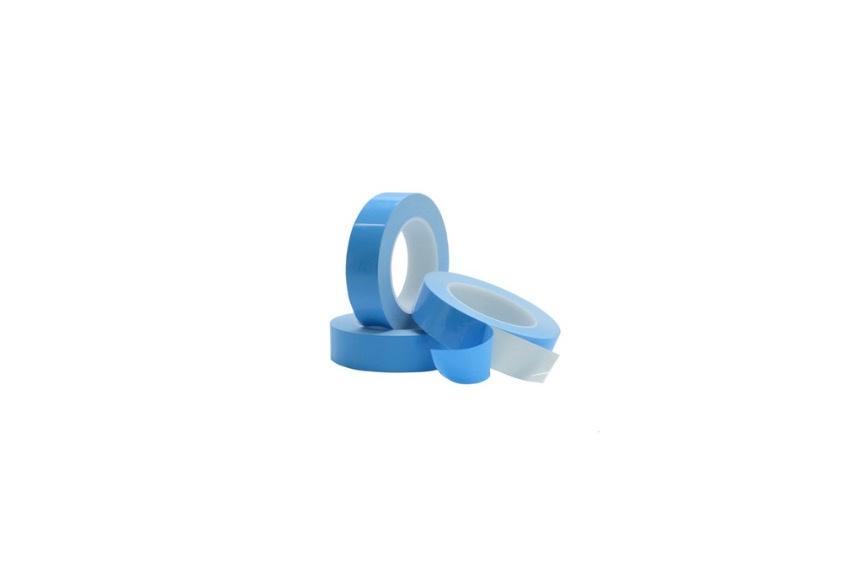
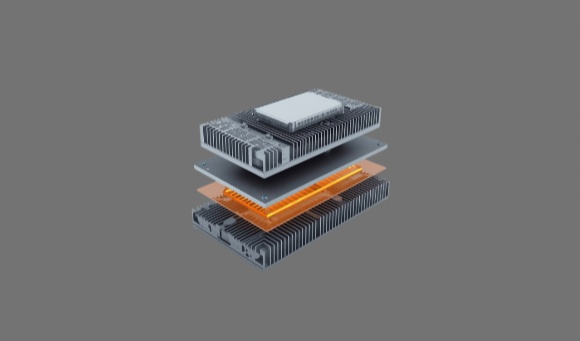
Thermal Interface Materials (TIMs) are materials specifically designed to facilitate heat transfer between surfaces with differing temperatures, such as between battery cells and heat sinks, or between the battery pack and its casing. These materials fill the gaps between components that are not perfectly flat, ensuring better thermal conductivity. By improving heat transfer, TIMs help to evenly distribute heat across the battery pack, preventing localized hot spots and ensuring more uniform temperatures within the system.
Types of TIMs
There are several different types of TIMs used in battery packs, each offering distinct advantages depending on the application:
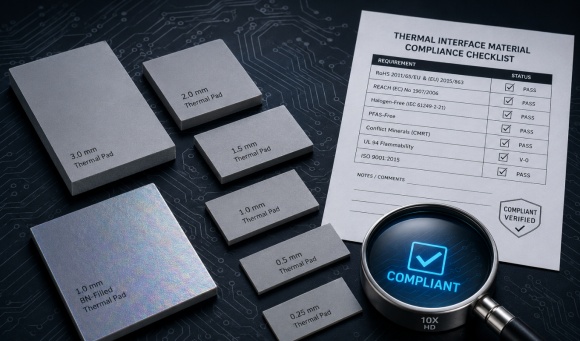
Silicone Pads: Soft, flexible, and easy to apply, silicone thermal pads are often used in applications where moderate heat conductivity is needed.
Phase Change Materials (PCMs): These materials absorb excess heat as they melt and release it as they solidify, providing excellent thermal regulation.
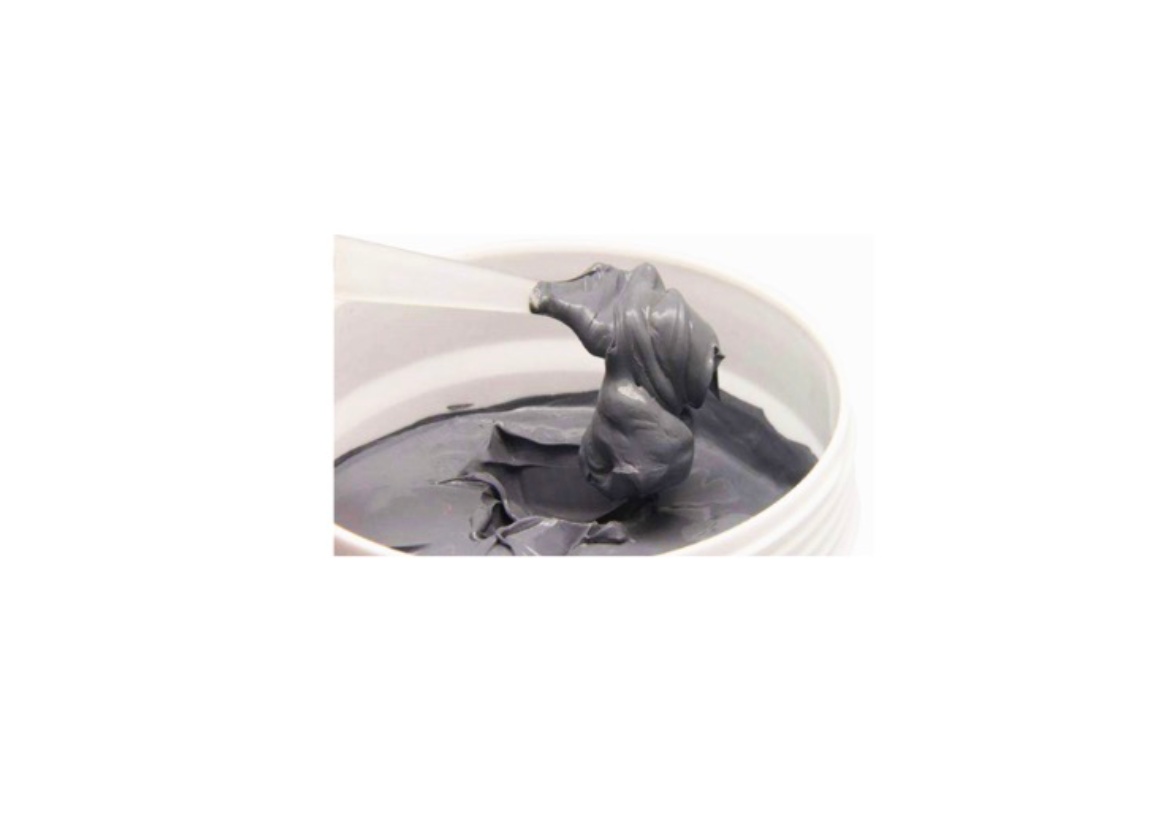
Thermal Greases/Pastes: These compounds are applied between surfaces to improve thermal conductivity, commonly used in electronics and batteries with tight tolerances.
Graphite Sheets: Known for their high thermal conductivity, graphite sheets are increasingly used in battery pack applications to efficiently transfer heat.
Properties of Effective TIMs
The most effective TIMs exhibit several key properties:
High Thermal Conductivity: To efficiently transfer heat and minimize thermal resistance.
Flexibility: Ability to conform to uneven surfaces for better contact and thermal transfer.
Durability: TIMs need to withstand the rigors of battery operation, including temperature cycling and mechanical stress.
Ease of Application: Whether in paste, pad, or film form, TIMs should be easy to apply to battery cells or components without affecting the assembly process.
How TIMs Enhance Battery Pack Thermal Management
Heat Transfer Efficiency
TIMs improve heat transfer across battery cells by filling microscopic air gaps and surface imperfections between contacting components. This enables more efficient thermal conduction, helping to dissipate heat evenly across the pack. Without proper TIMs, these gaps would lead to poor heat dissipation and increased thermal resistance, ultimately impacting the battery’s performance and safety.
Maintaining Uniform Temperature Distribution
By ensuring better thermal conductivity, TIMs help to prevent the formation of hot spots within the battery pack. These materials ensure that the temperature is distributed more evenly, preventing localized overheating, which could lead to early battery failure or even dangerous conditions such as thermal runaway.
Increased Battery Life
Efficient thermal management through the use of TIMs reduces the thermal stress on battery components, helping to prolong their operational life. By maintaining lower and more consistent temperatures, TIMs prevent degradation caused by excessive heat, thus extending the number of charge-discharge cycles a battery can undergo before its performance significantly declines.
Selecting the Right TIM for Battery Packs
Factors to Consider
When selecting the right Thermal Interface Material (TIM) for battery packs, several factors must be considered:
Battery Chemistry: Different battery types, such as lithium-ion or solid-state, have varying thermal management needs. Lithium-ion batteries, for example, generate high heat during fast charging, while solid-state batteries may require different thermal handling due to their unique construction.
Operating Conditions: The temperature range during operation and the expected power load can influence the choice of TIM. High-power applications may demand materials with higher thermal conductivity to handle the excess heat.
Environment: The external environment, such as the operating temperature and humidity, will impact the material choice. TIMs used in automotive applications might need to withstand extreme temperatures, while consumer electronics may require more flexible solutions.
Form Factor: Battery pack designs come in various shapes and sizes. The form factor of the battery and the space available for TIM application are important considerations, as materials need to fit precisely without compromising thermal transfer.
TIM Materials Comparison
Silicone Pads:
Pros: Easy to apply, flexible, cost-effective, and can conform to irregular surfaces.
Cons: Moderate thermal conductivity compared to other materials, less durable at high temperatures.
Graphite Sheets:
Pros: High thermal conductivity, stable over a wide temperature range, flexible and lightweight.
Cons: More expensive than silicone pads, may not conform well to highly irregular surfaces.
Phase Change Materials (PCMs):
Pros: Excellent for applications with fluctuating temperatures, absorbs and releases heat as it changes phase, ideal for preventing thermal runaway.
Cons: More complex to apply and may require specialized equipment.
Thermal Greases/Pastes:
Pros: Excellent thermal conductivity, very effective for fine gaps and tight tolerances.
Cons: Messy to apply, requires precision in thickness, can degrade over time.
Real-world Application Examples
Lithium-ion Battery Packs: In high-energy applications like electric vehicles, graphite sheets and silicone pads are often used together to manage the high heat output during fast charging.
Solid-state Batteries: Phase change materials are gaining traction in solid-state batteries due to their ability to absorb and release heat during charging cycles, providing efficient temperature regulation.
Benefits of TIMs in Battery Pack Applications
Improved Safety
TIMs mitigate the risk of overheating by improving heat dissipation across the battery pack. By evenly spreading the heat, TIMs prevent the formation of dangerous hot spots that could lead to thermal runaway, a condition that can cause fires or explosions. This is especially important for applications in automotive and consumer electronics, where safety is paramount.
Enhanced Performance
The use of TIMs in battery packs maximizes energy efficiency by ensuring that batteries operate at optimal temperatures. By maintaining a more consistent temperature profile, TIMs help to optimize the charging cycles, reducing energy losses and extending battery life.
Cost Efficiency
Proper thermal management can reduce the need for complex and expensive cooling systems or additional design modifications. TIMs provide an efficient and cost-effective solution to maintain battery performance without the need for additional cooling components, helping to reduce both upfront costs and long-term operational expenses.
Best Practices for Applying TIMs in Battery Packs
Preparation
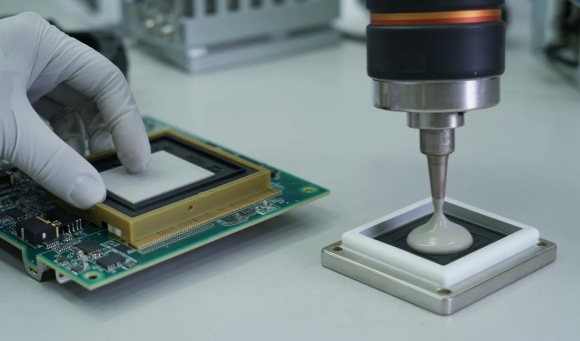
Before applying TIMs, ensure that the surfaces of the battery pack components are thoroughly cleaned. Dust, grease, or other contaminants can impair the thermal conductivity of the material. Additionally, it’s important to apply the TIM in the correct thickness to ensure efficient heat transfer.
Installation Tips
Proper placement of TIMs is essential for effective heat transfer. TIMs should be applied directly between the battery cells and heat sinks or between other components where heat needs to be dissipated. Ensure uniform coverage to avoid gaps that could reduce efficiency.
Common Mistakes to Avoid
Improper Material Selection: Choosing a TIM that doesn’t match the thermal needs of the battery pack can lead to poor performance and overheating.
Inconsistent Application: Inconsistent application thickness can result in poor thermal transfer and uneven heat distribution, leading to potential issues like hot spots.
Conclusion
Summary of Key Takeaways
Thermal Interface Materials are essential for maintaining optimal thermal performance, safety, and longevity in battery packs. By selecting the right TIM, you can ensure that your battery packs operate efficiently, safely, and cost-effectively.
Call to Action
If you are looking to improve your battery pack's thermal management, consider integrating high-quality TIMs into your design. Contact us for tailored solutions to optimize the performance and safety of your battery systems.