Welcome to Taxo Tape
How TIMs Improve Heat Transfer in LED Streetlight Drivers
Introduction: Thermal Challenges in LED Streetlight Drivers
LED streetlights have become the standard solution for outdoor lighting due to their high energy efficiency, long service life, and low maintenance requirements. Compared with traditional lighting technologies, LEDs convert a higher percentage of electrical energy into light. However, this does not mean thermal management becomes less important—especially inside the LED streetlight driver.
In practice, the reliability of an LED streetlight system is often limited not by the LED chips themselves, but by the driver electronics. Streetlight drivers operate continuously, frequently under high ambient temperatures and sealed conditions. Excess heat accelerates component aging, causes parameter drift, and increases the risk of premature failure.
This is where thermal design plays a decisive role. Beyond circuit design and component selection, effective heat transfer at material interfaces is essential. Thermal Interface Materials (TIMs) are specifically developed to address this challenge by improving heat flow between heat-generating components and the system housing.
Where Heat Is Generated Inside an LED Streetlight Driver
Inside an LED streetlight driver, heat is mainly generated by power conversion components that handle high current and switching losses. The most critical heat sources typically include:
MOSFETs, which dissipate heat during high-frequency switching and conduction
Inductors, where copper losses and core losses contribute to temperature rise
Rectifiers and control ICs, which may operate continuously at elevated temperatures
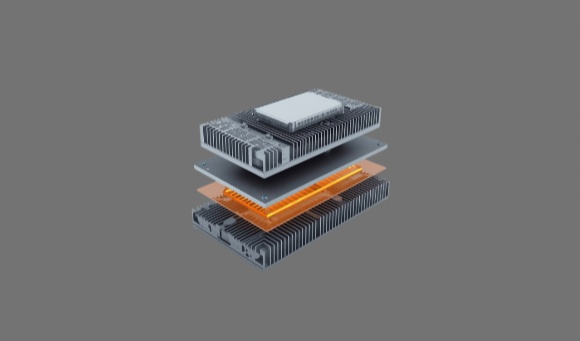
The typical thermal path starts from these components, flows through the PCB, and eventually reaches the metal housing of the driver or the luminaire enclosure. From there, heat is dissipated into the surrounding air.
However, this heat transfer path is rarely ideal. Designers often face several constraints: compact layouts with limited spacing, sealed driver enclosures for IP protection, and outdoor environments where ambient temperatures can be high and airflow is minimal. These factors make efficient heat transfer within the driver assembly both challenging and critical.
What Are Thermal Interface Materials (TIMs)?
Thermal Interface Materials are used to improve heat transfer between two solid surfaces. Their primary function is to eliminate microscopic air gaps that naturally exist between mating surfaces, even when they appear flat to the naked eye.
Air is a poor thermal conductor. When two metal surfaces are placed together without a TIM, trapped air pockets significantly reduce heat flow. TIMs fill these gaps, creating a more continuous thermal path and allowing heat to move more efficiently from the heat source to the heat sink or housing.
It is important to distinguish between thermal conductivity and thermal resistance. While thermal conductivity describes how well a material conducts heat, thermal resistance reflects the overall heat transfer performance of an interface, including thickness, contact quality, and pressure. In many LED driver applications, reducing interfacial thermal resistance is more important than selecting a material with the highest conductivity value.
Key Contact Interfaces in LED Driver Assemblies
Several contact interfaces within an LED streetlight driver have a direct impact on thermal performance:
Component-to-heatsink interfaces, such as power devices mounted to metal bases
PCB-to-housing interfaces, where heat must transfer from the board to the driver enclosure
Driver module-to-luminaire enclosure interfaces, especially in integrated streetlight designs
Each of these interfaces represents a potential thermal bottleneck. Poor contact quality, uneven surfaces, or inappropriate material selection can significantly increase operating temperatures. Over time, this thermal stress can lead to solder joint fatigue, insulation degradation, and reduced system reliability.
Ensuring stable and efficient heat transfer at these interfaces is therefore essential for long-term outdoor operation.
How TIMs Improve Heat Transfer Efficiency
By filling surface irregularities and maintaining consistent contact, TIMs reduce interfacial thermal resistance and allow heat to flow more freely through the thermal path. This leads to more effective heat spreading from localized hot spots to the larger housing surface.
In LED streetlight drivers operating under continuous load, improved heat transfer helps stabilize component temperatures and reduces thermal cycling stress. Lower and more uniform operating temperatures directly contribute to longer component lifespan and more stable electrical performance.
Ultimately, better thermal management inside the driver supports the overall reliability of the streetlight system and helps maintain light output over time, which is critical for outdoor lighting applications where maintenance access is limited.
Common Types of TIMs Used in LED Streetlight Drivers
Several types of Thermal Interface Materials are commonly used in LED streetlight driver assemblies, each suited to different interface conditions and manufacturing requirements.
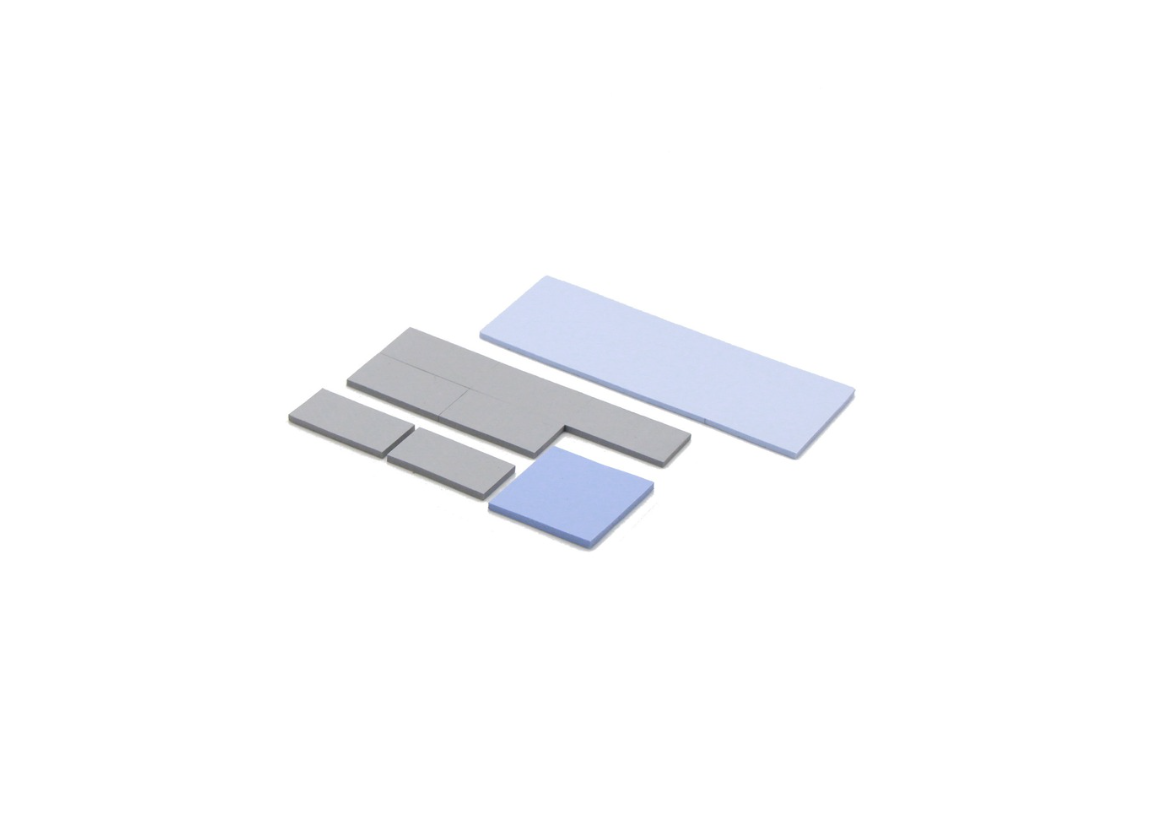
Thermal gap pads are widely used where there is a defined gap between components and the housing. They provide mechanical compliance, accommodate tolerance variations, and offer stable thermal performance over long operating periods.
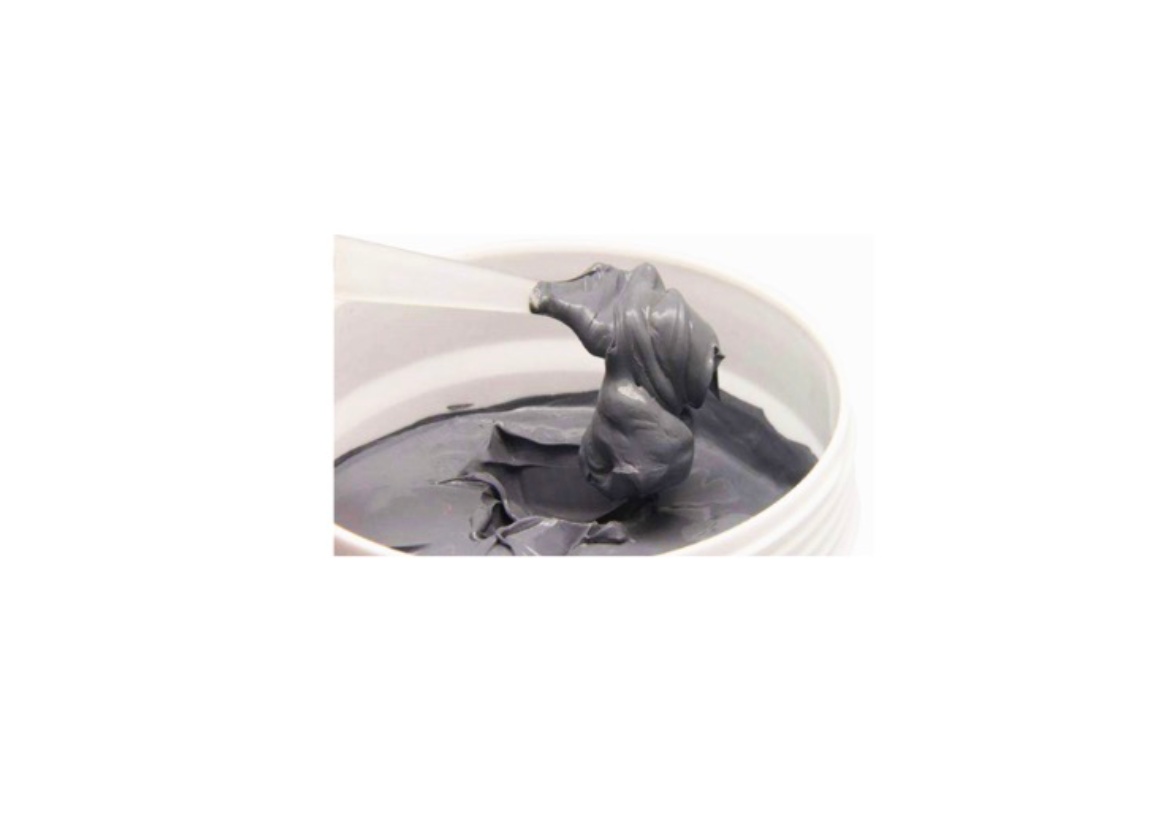
Thermal greases are effective at minimizing interfacial thermal resistance in applications with high contact pressure and relatively flat surfaces. However, they rely on consistent mechanical clamping and may be less suitable for vertical or vibration-prone outdoor installations.
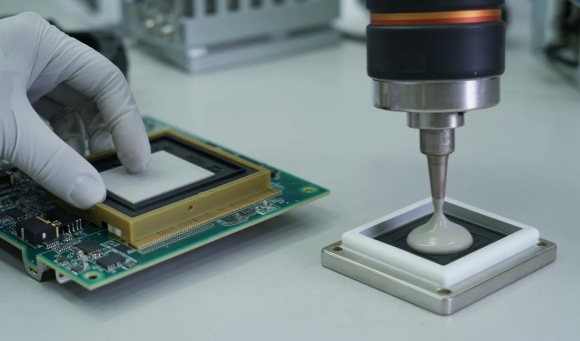
Thermal gels combine the gap-filling ability of pads with the low thermal resistance of greases. They are often used in automated dispensing processes and can adapt well to uneven surfaces without requiring high assembly pressure.
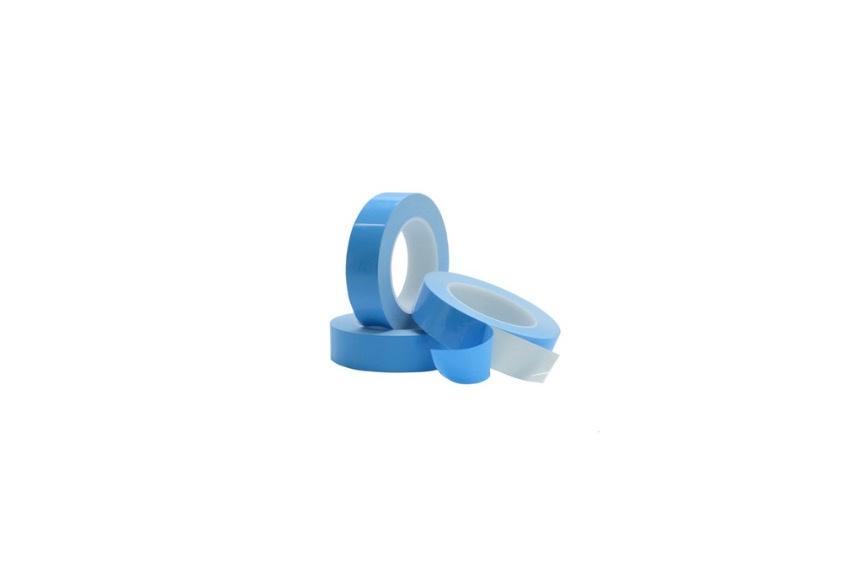
Thermally conductive adhesive tapes serve both as a thermal path and a bonding solution. They are commonly used where mechanical fasteners are limited or where simplified assembly is required, although their thermal performance depends strongly on thickness and surface contact quality.
In practice, no single TIM type is universally “best.” The optimal choice depends on interface geometry, pressure conditions, environmental exposure, and assembly method.
Selecting the Right TIM for Outdoor LED Driver Applications
When selecting a TIM for outdoor LED streetlight drivers, thermal conductivity should be considered alongside compressibility. A highly conductive material may perform poorly if it cannot conform to surface irregularities or maintain contact under low pressure.
Electrical insulation is another key requirement. Many driver interfaces require both efficient heat transfer and reliable electrical isolation to meet safety and regulatory standards.
Long-term stability is especially important for outdoor applications. TIMs must resist pump-out, drying, or material migration under continuous thermal cycling and elevated ambient temperatures. Materials that perform well in short-term testing may degrade over years of operation if stability is overlooked.
Assembly considerations also influence material selection. Manual assembly may favor pre-cut pads or tapes for consistency, while automated production lines often benefit from dispensable gels that reduce labor and improve repeatability.
Typical Thermal Design Mistakes in LED Driver TIM Selection
One common mistake is over-focusing on thermal conductivity numbers while ignoring interface conditions. In real assemblies, contact quality often has a greater impact on temperature than the material’s datasheet value.
Another frequent issue is neglecting interface pressure and surface flatness. TIMs perform very differently under low clamping force or uneven surfaces, which are common in compact driver designs.
Choosing materials without considering outdoor aging is also risky. Exposure to heat, humidity, and long operating hours can significantly affect TIM performance over time.
Finally, using a single TIM solution for all interfaces may simplify procurement but often leads to suboptimal thermal performance. Different interfaces within the same driver may require different material properties.
Practical Example: Improving Driver Temperature with Proper TIM Design
In a typical streetlight driver, power MOSFETs were mounted to a metal housing using a thin insulating sheet with limited compliance. During operation, localized hot spots caused elevated junction temperatures and noticeable thermal cycling.
After replacing the interface material with a compliant TIM better matched to the surface flatness and pressure conditions, the thermal path became more uniform. Component temperatures dropped by several degrees under the same load, and temperature distribution across the housing became more stable.
Although the circuit design remained unchanged, improved interface heat transfer reduced thermal stress and enhanced overall system stability, demonstrating the practical impact of proper TIM selection.
Conclusion: TIMs as a Critical Part of LED Streetlight Reliability
Thermal Interface Materials play a critical role in the thermal path of LED streetlight drivers. By improving heat transfer across key interfaces, they help control operating temperatures and protect sensitive power components.
Early consideration of TIM selection allows thermal, mechanical, and manufacturing requirements to be addressed together, reducing the risk of late-stage design changes. For engineers working on outdoor lighting projects, evaluating TIM options early in the design phase can significantly improve long-term reliability and performance.