Welcome to Taxo Tape
How TIMs Contribute to Increased Reliability in 5G Base Stations
Introduction: Thermal Challenges in 5G Infrastructure
The global rollout of 5G networks has accelerated rapidly in recent years. Telecommunications operators are expanding coverage to support faster data speeds, lower latency, and the growing number of connected devices. As a result, modern 5G base stations are becoming more powerful and more compact, integrating a large number of high-performance electronic components within limited space.
This increase in performance also leads to significantly higher power density. Components such as RF power amplifiers, baseband processors, and power modules generate substantial heat during operation. If this heat is not effectively dissipated, it can accumulate within the system and affect overall performance.
For equipment manufacturers, thermal management has therefore become a critical aspect of base station design. Stable operating temperatures are essential for maintaining signal quality, ensuring system efficiency, and extending the lifespan of electronic components. Among the various thermal management solutions available, Thermal Interface Materials (TIMs) play an important role in improving heat transfer between heat-generating components and cooling structures such as heat sinks or chassis.
Why Thermal Management Is Critical in 5G Base Stations
Compared with previous generations of wireless infrastructure, 5G base stations operate at higher frequency bands and require significantly greater processing capability. Technologies such as Massive MIMO and beamforming involve complex signal processing and increased power consumption, which inevitably leads to higher thermal loads within the system.
Several key components contribute to heat generation in a 5G base station:
Power amplifiers (PA)
Power amplifiers are among the most heat-intensive components in RF systems. They operate continuously to amplify radio signals for transmission, often producing significant thermal output.
RF modules
RF front-end modules integrate multiple active and passive devices in a compact structure. Their high operating frequencies and dense layouts can create localized heat accumulation.
Baseband processors
Baseband units handle complex signal processing tasks, including modulation, coding, and network communication. As computing performance increases, these processors generate more heat during continuous operation.
Power supplies
Power conversion modules also generate heat due to electrical losses during voltage regulation and power distribution.
If thermal conditions are not properly controlled, overheating can lead to several issues. Elevated temperatures may cause signal instability, which can affect communication quality. Excess heat can also reduce system efficiency and accelerate material degradation inside electronic components. Over time, these effects may shorten the service life of the equipment and increase maintenance requirements.
For these reasons, effective thermal management is essential for ensuring the long-term reliability of 5G infrastructure.
What Are Thermal Interface Materials (TIMs)?
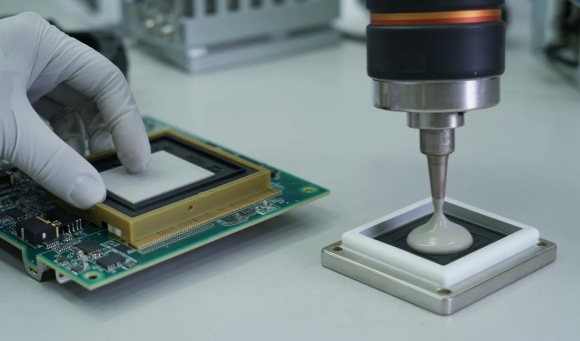
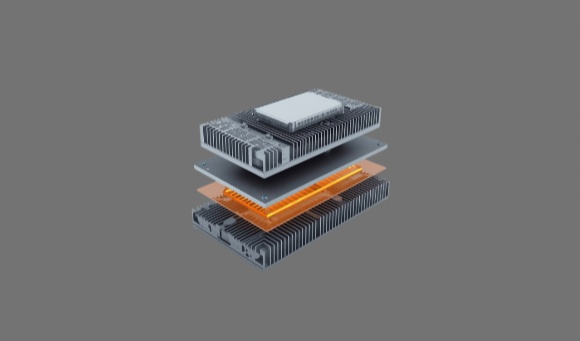
Thermal Interface Materials (TIMs) are materials designed to improve heat transfer between two contacting surfaces, typically between a heat-generating electronic component and a cooling device such as a heat sink or metal housing.
Although two surfaces may appear smooth, microscopic air gaps usually exist between them when they are joined together. Air is a poor thermal conductor, which limits the efficiency of heat transfer. TIMs fill these small gaps and irregularities, replacing trapped air with a material that has significantly higher thermal conductivity.
By creating a more effective thermal path, TIMs help transfer heat away from electronic components more efficiently, allowing the cooling system to dissipate heat more effectively.
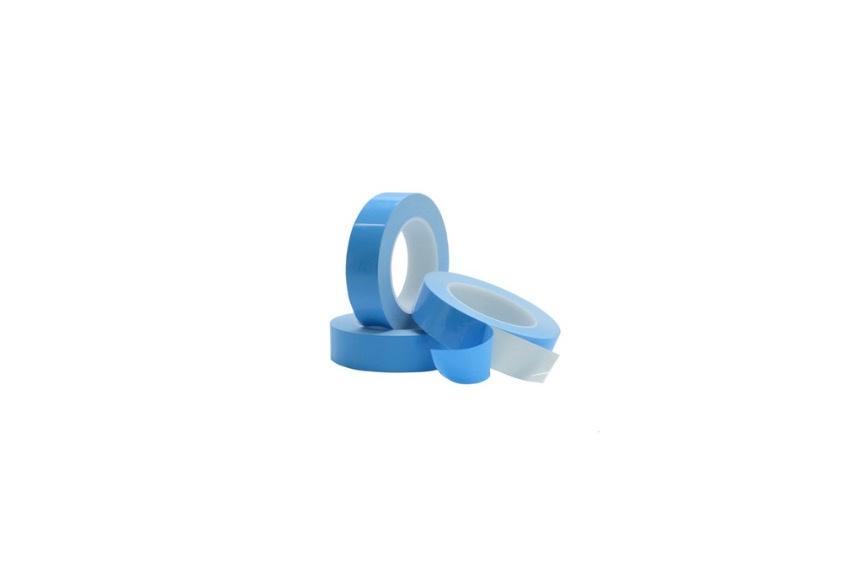
Common types of thermal interface materials used in electronic systems include:
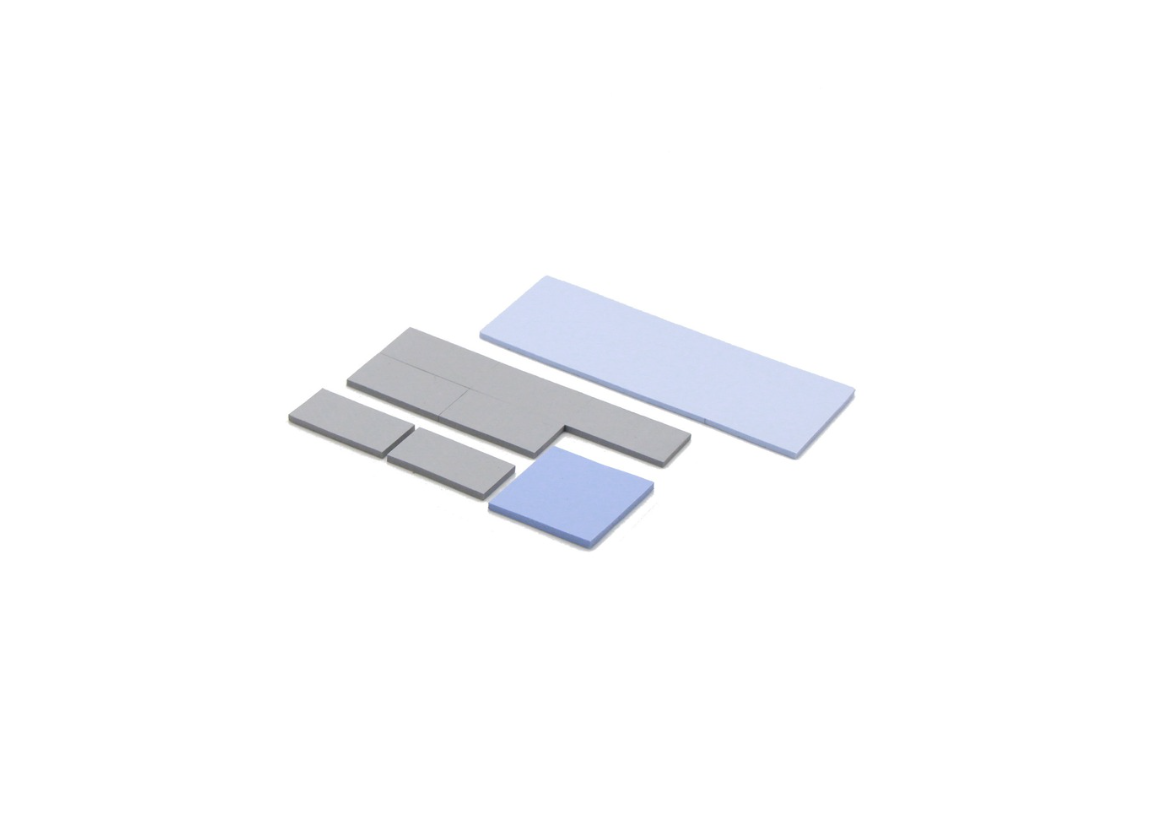
Silicone thermal pads
Pre-formed pads that provide consistent thickness and are widely used in applications requiring electrical insulation and easy assembly.
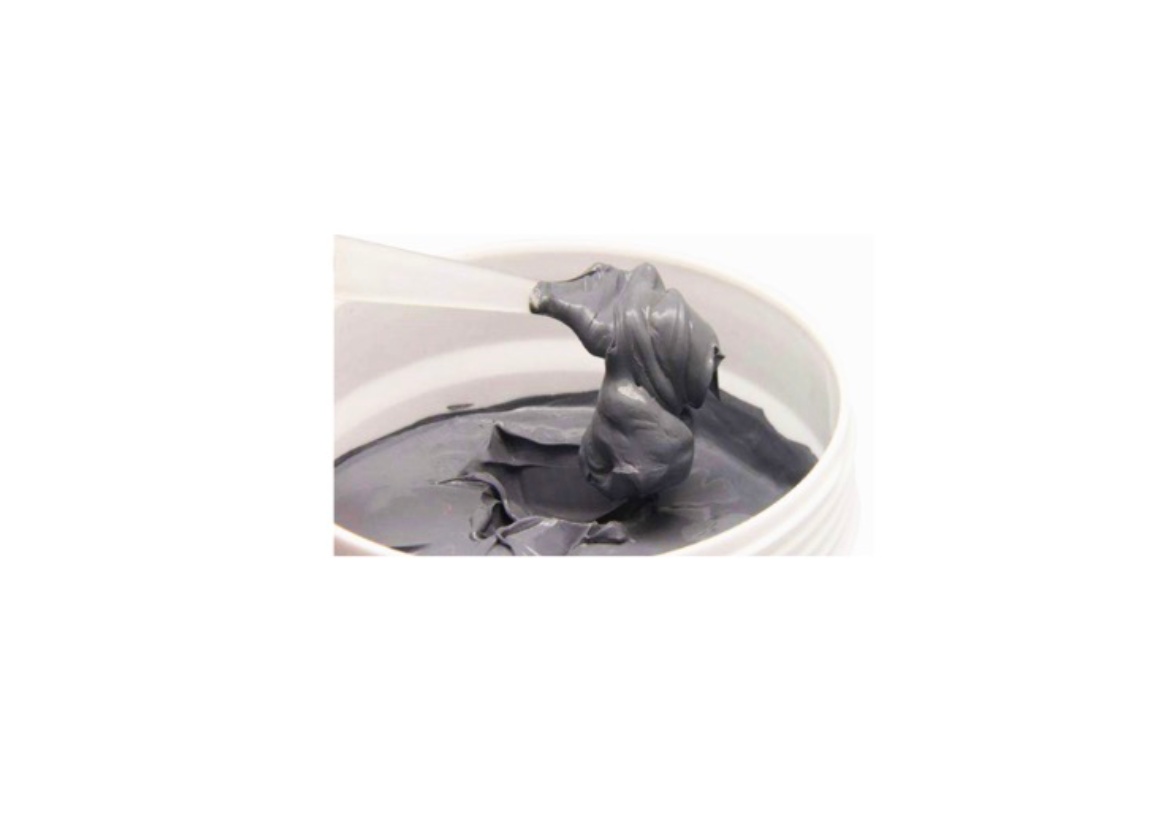
Thermal grease or paste
Soft materials that can conform well to surface irregularities, commonly used in high-performance thermal interfaces.
Phase change materials (PCM)
Materials that soften or change phase at certain temperatures, improving surface contact and reducing thermal resistance during operation.
Gap fillers
Highly compliant materials designed to fill larger gaps between components and heat sinks while maintaining good thermal conductivity.
Each type of TIM is selected based on factors such as thermal performance, mechanical requirements, assembly process, and long-term reliability.
Key Areas Where TIMs Are Used in 5G Base Stations
4.1 Power Amplifier Cooling
RF power amplifiers are one of the primary heat sources in a 5G base station. During operation, they generate substantial thermal energy that must be transferred efficiently to heat spreaders or heat sinks.
Thermal interface materials are commonly placed between the amplifier module and the cooling structure. By filling surface gaps and improving thermal conduction, TIMs help move heat away from the amplifier quickly, reducing the risk of thermal buildup.
4.2 Baseband Processing Units
Baseband processing units are responsible for intensive signal processing tasks. As network capacity and data throughput increase, these processors handle larger computational loads and generate more heat.
TIMs are often used between processors, heat spreaders, and system heat sinks to ensure stable thermal performance. Efficient heat transfer helps maintain safe operating temperatures and supports reliable processing performance.
4.3 Power Supply Modules
Power conversion systems within base stations must handle high electrical loads while maintaining stable output. During power conversion, some energy is inevitably lost as heat.
Thermal interface materials help conduct heat away from power components to the system’s cooling structures. Effective heat dissipation supports stable power delivery and improves the durability of power electronics.
4.4 Outdoor Enclosure Thermal Management
Many 5G base stations are installed outdoors, where they are exposed to varying environmental conditions such as high temperatures, humidity, and direct sunlight.
Within these enclosures, TIMs contribute to reliable thermal pathways between internal components and the chassis or external heat sinks. By supporting efficient heat transfer, they help maintain consistent operating temperatures and improve long-term equipment reliability even under challenging environmental conditions.
How TIMs Improve System Reliability
Effective thermal management is essential for maintaining stable performance in 5G base stations. Thermal Interface Materials (TIMs) contribute directly to system reliability by improving heat transfer, reducing temperature stress, and supporting consistent operation across critical components.
5.1 Reducing Thermal Resistance
One of the primary functions of TIMs is to reduce thermal resistance between heat-generating components and cooling structures. Even well-machined metal surfaces contain microscopic imperfections that create small air gaps when two surfaces come into contact. Because air has very poor thermal conductivity, these gaps can significantly limit heat transfer.
TIMs fill these microscopic voids and create a more continuous thermal path between components and heat sinks. By replacing trapped air with thermally conductive materials, TIMs help heat move away from sensitive components more efficiently, improving overall cooling performance.
5.2 Preventing Hot Spots
In high-density electronic systems such as 5G base stations, uneven heat distribution can lead to localized hot spots. These areas of concentrated heat may cause certain components to operate at temperatures much higher than the system average.
TIMs help maintain more uniform thermal contact across surfaces, which supports better heat spreading. By improving thermal uniformity, TIMs reduce the risk of hot spots and help ensure that components operate within their recommended temperature ranges.
5.3 Protecting Sensitive Electronics
Many electronic components used in telecom equipment are sensitive to thermal stress. Repeated exposure to high temperatures or large temperature fluctuations can accelerate material degradation and lead to failures such as solder fatigue or component warping.
By improving heat transfer and stabilizing operating temperatures, TIMs help reduce thermal stress within the system. This protection is particularly important for high-performance processors, RF modules, and power electronics that must operate continuously in demanding environments.
5.4 Extending Equipment Service Life
Lower operating temperatures generally contribute to longer component lifetimes. When heat is managed effectively, electronic systems experience fewer temperature-related failures and maintain more stable performance over time.
TIMs support this by enabling efficient heat dissipation throughout the system. As a result, base stations can achieve improved reliability, reduced maintenance requirements, and longer service intervals.
Choosing the Right TIM for 5G Applications
Selecting the appropriate thermal interface material is an important step in designing reliable 5G infrastructure. Different materials offer different combinations of thermal, electrical, and mechanical properties, so engineers typically evaluate several factors when choosing a TIM for telecom equipment.
Thermal conductivity
Higher thermal conductivity allows heat to be transferred more efficiently from components to cooling structures. Materials with appropriate conductivity help maintain safe operating temperatures in high-power systems.
Electrical insulation
Many telecom components require electrically insulating materials to prevent short circuits while still allowing efficient heat transfer.
Low oil bleed or low volatility
Materials with low oil bleed and low volatility help maintain stable performance over long operating periods. This is particularly important in outdoor telecom equipment where systems may operate continuously for many years.
Long-term reliability
TIMs should maintain their mechanical and thermal properties under repeated thermal cycles, vibration, and long-term operation.
Environmental durability
Since many base stations operate outdoors, TIMs must withstand environmental factors such as temperature variations, humidity, and UV exposure.
Careful selection of TIM materials helps ensure stable thermal performance throughout the lifetime of the equipment.
Future Trends: Advanced TIMs for Next-Generation Telecom Equipment
As telecom technology continues to evolve, the thermal requirements of communication equipment are also increasing. Higher power densities and more compact designs are driving demand for advanced thermal materials with improved performance.
One clear trend is the development of TIMs with higher thermal conductivity. As processing power and RF output increase, efficient heat dissipation becomes even more critical.
For RF systems, low dielectric thermal materials are also gaining attention. These materials can help minimize signal interference while still providing effective thermal management.
In addition, silicone-free thermal materials are being explored for certain sensitive electronic environments where contamination or outgassing must be minimized.
These developments are helping equipment manufacturers meet the growing thermal challenges associated with next-generation telecom infrastructure.
Conclusion
Thermal management plays a fundamental role in maintaining the performance and reliability of modern 5G base stations. As system complexity and power density increase, efficient heat transfer becomes essential for protecting critical electronic components.
Thermal Interface Materials help bridge the gap between heat-generating devices and cooling structures, improving heat dissipation and supporting stable system operation. By reducing thermal resistance, preventing hot spots, and protecting sensitive electronics, TIMs contribute significantly to long-term equipment reliability.
Selecting high-performance thermal interface materials is therefore an important part of designing robust telecom systems. As 5G networks continue to expand and evolve, advanced TIM solutions will remain an important element in ensuring the reliability and longevity of telecom infrastructure.