Welcome to Taxo Tape
How Thermally Conductive Tape Enhances Device Cooling Efficiency
Introduction
As electronic devices become smaller and more powerful, heat buildup has become a major design challenge. Uncontrolled temperature rise can reduce performance, shorten component lifespan, and even lead to system failure. To address this, engineers are turning to thermally conductive tapes—materials that combine heat dissipation and mechanical bonding in one simple solution.
Thermally conductive tape provides a clean, reliable, and efficient way to move heat away from components, helping devices operate at optimal temperature levels. This article explores how such tapes improve cooling efficiency and why they are increasingly used in advanced electronic systems.
The Challenge of Heat in Modern Electronics
Every active electronic component—whether it’s an LED, a processor, or a power transistor—generates heat during operation. When heat is not managed properly, the device’s performance and reliability drop.
Excessive heat causes component degradation and thermal stress.
Hotspots lead to uneven temperature distribution, affecting precision circuits.
Poor thermal control can trigger automatic shutdowns or damage sensitive materials.
To maintain stability, engineers need materials that efficiently conduct heat while integrating seamlessly into the assembly process.
What Is Thermally Conductive Tape?
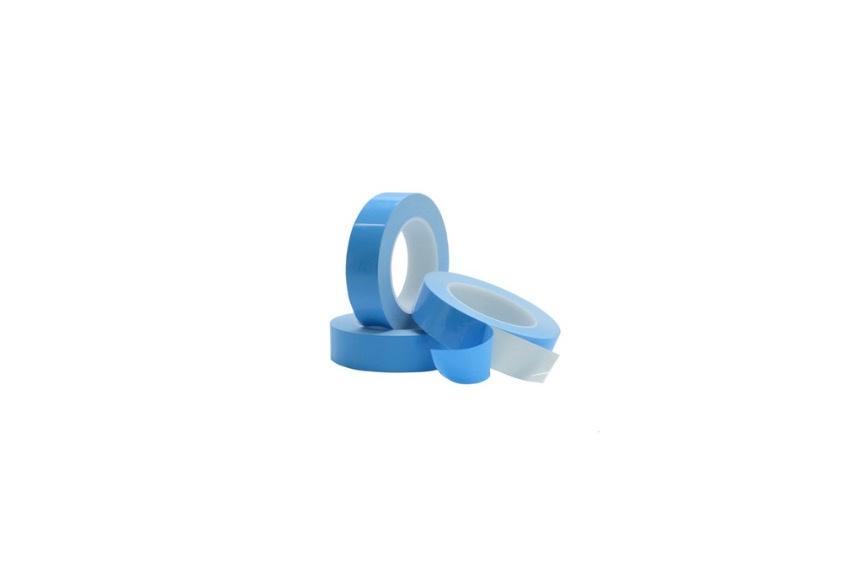
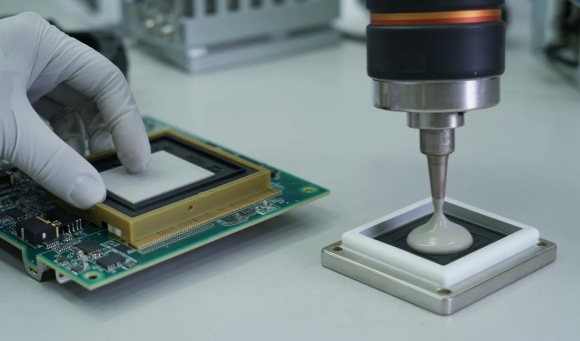
Thermally conductive tape is a pressure-sensitive adhesive film engineered to transfer heat between components and heat sinks or housings. It provides both bonding strength and thermal conductivity, creating a direct heat path without the mess of greases or the complexity of screws and clamps.
It is typically made from:
Acrylic or silicone adhesive layers infused with thermally conductive fillers (like ceramic or graphite).
Carrier or reinforcement layers for dimensional stability.
The result is a material that delivers consistent heat transfer performance while maintaining long-term adhesion under demanding conditions.
How It Improves Cooling Efficiency
3.1 Efficient Heat Transfer Path
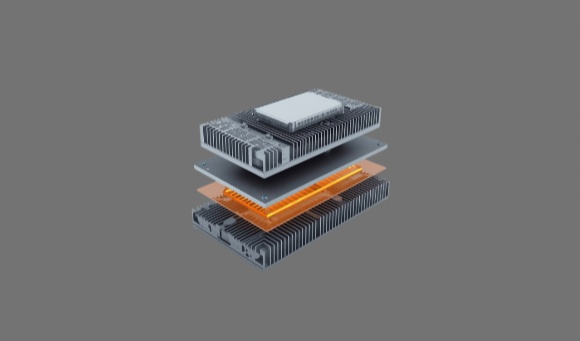
By minimizing thermal resistance between the component and the heat sink, thermally conductive tape ensures smooth and rapid heat flow.
It helps maintain a stable operating temperature.
It reduces the risk of localized hotspots.
It enables smaller, lighter cooling designs without sacrificing performance.
3.2 Uniform Thermal Distribution
The tape spreads heat evenly across surfaces, preventing heat concentration at a single point. This uniform heat spreading enhances the overall cooling performance of the device and protects temperature-sensitive parts.
3.3 Simplified Assembly and Design
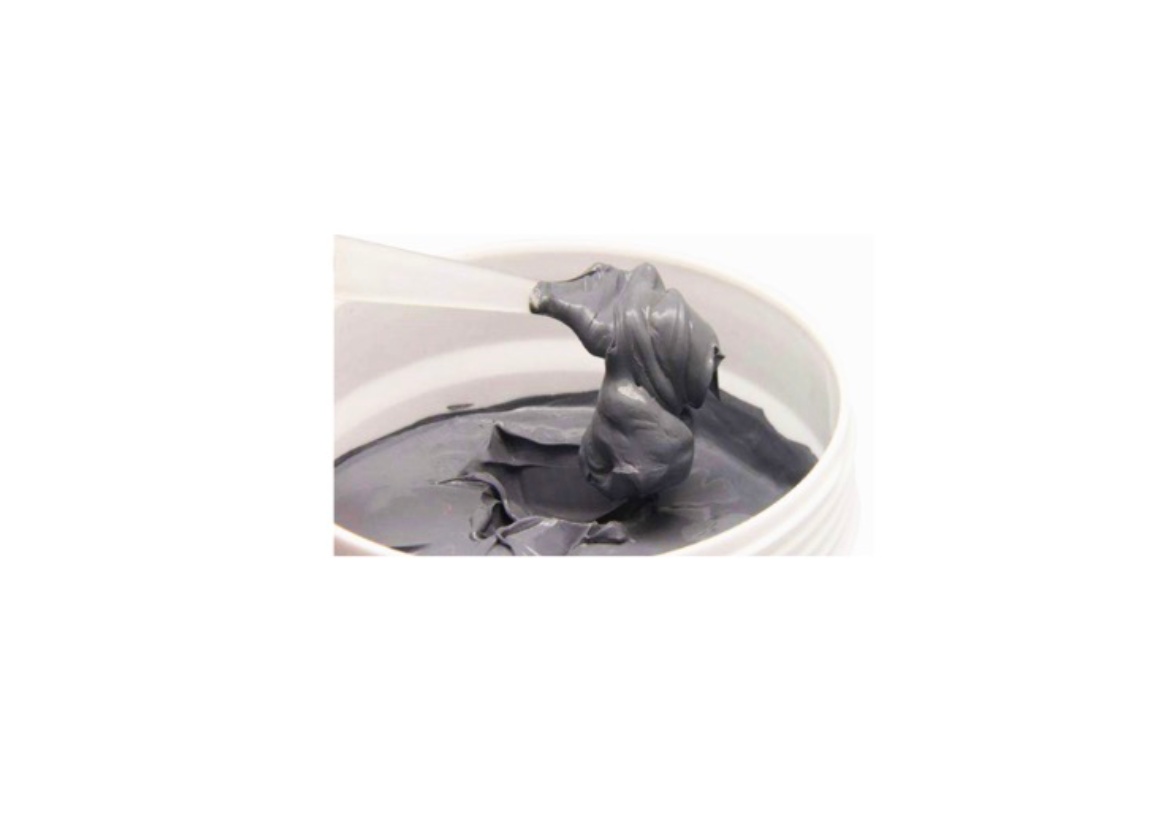
Unlike liquid thermal compounds, thermally conductive tapes are clean, consistent, and easy to apply.
No curing time or dripping.
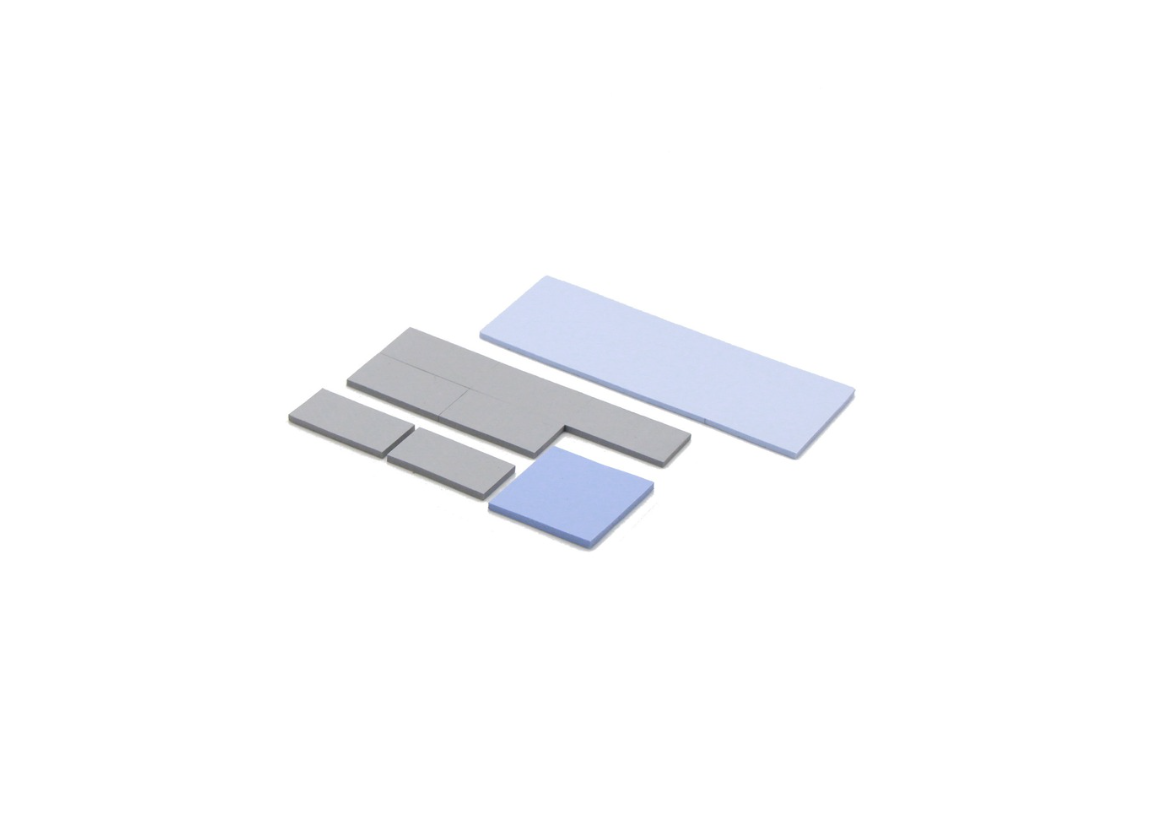
Pre-cut shapes make automated assembly efficient.
Reduces rework or contamination during manufacturing.
Simplified processing not only lowers labor cost but also improves production reliability—especially in high-volume manufacturing.
3.4 Long-Term Reliability
Thermally conductive tapes are engineered to maintain their performance across temperature cycles, vibration, and humidity. They stay stable even after years of use, keeping thermal contact intact and ensuring the cooling system remains effective over time.
Key Applications in Cooling Systems
Thermally conductive tapes are now a standard solution in many heat management scenarios:
LED lighting modules: bonding PCBs to heat sinks for stable brightness and lifespan.
Battery packs: attaching cells or BMS modules to cooling plates for temperature balance.
Power converters and inverters: securing MOSFETs and diodes for efficient heat flow.
Telecom and industrial controllers: maintaining steady operation in confined enclosures.
Across these industries, the use of thermal tape reduces thermal resistance, simplifies assembly, and boosts overall cooling efficiency.
Factors to Consider When Choosing a Tape
Selecting the right thermally conductive tape depends on several design priorities:
Thermal conductivity: choose according to power density and heat load (typically 0.8–3.0 W/m·K).
Adhesion strength: ensure durability under vibration and thermal cycling.
Electrical insulation: critical for power electronics or metal housings.
Thickness: balance between conformability and minimal thermal resistance.
Each parameter influences how effectively the material supports the device’s thermal path.
Conclusion
Thermally conductive tape has become a key enabler of efficient heat management in today’s electronics. By combining excellent thermal performance, mechanical stability, and process simplicity, it allows engineers to design smaller, lighter, and more reliable devices.
Whether used in LED systems, battery modules, or power electronics, these tapes play a vital role in enhancing cooling efficiency—helping products run cooler, last longer, and perform better in demanding industrial environments.