Welcome to Taxo Tape
How Thermal Conductive Tape Improves CPU Cooling
Introduction
In today’s high-performance computing and industrial automation era, efficient thermal management is no longer optional—it’s a business-critical necessity. From data center servers powering global operations to ruggedized CPUs in automotive electronics, overheating remains a silent adversary. Even minor temperature spikes can degrade performance, trigger unexpected downtime, and erode profit margins.
Modern CPUs are engineered to handle demanding workloads, but their efficiency hinges on one factor: heat dissipation. Overheating accelerates component wear, leading to:
Reduced Lifespan: Prolonged exposure to high temperatures degrades silicon and solder joints, shortening hardware longevity.
Performance Throttling: To prevent damage, CPUs automatically throttle speeds, slowing critical processes and productivity.
Costly Downtime: Thermal failures in industrial or server environments disrupt operations, requiring urgent (and expensive) repairs.
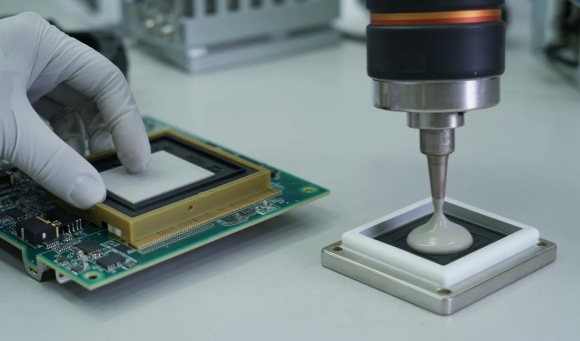
Traditional thermal interface materials (TIMs) like pastes or pads have long been the go-to solution, but they come with messy application, inconsistent performance, and frequent reapplication needs. Enter thermal conductive tape: a precision-engineered alternative that simplifies thermal management while delivering unmatched reliability. Designed for industrial-grade durability and effortless integration, this innovative material bridges the gap between CPUs and heat sinks with zero mess, long-term adhesion, and optimized heat transfer.
By the end of this guide, you’ll understand why thermal conductive tape isn’t just a component—it’s a strategic upgrade for businesses prioritizing efficiency, cost savings, and operational uptime.
What Is Thermal Conductive Tape?
Definition:
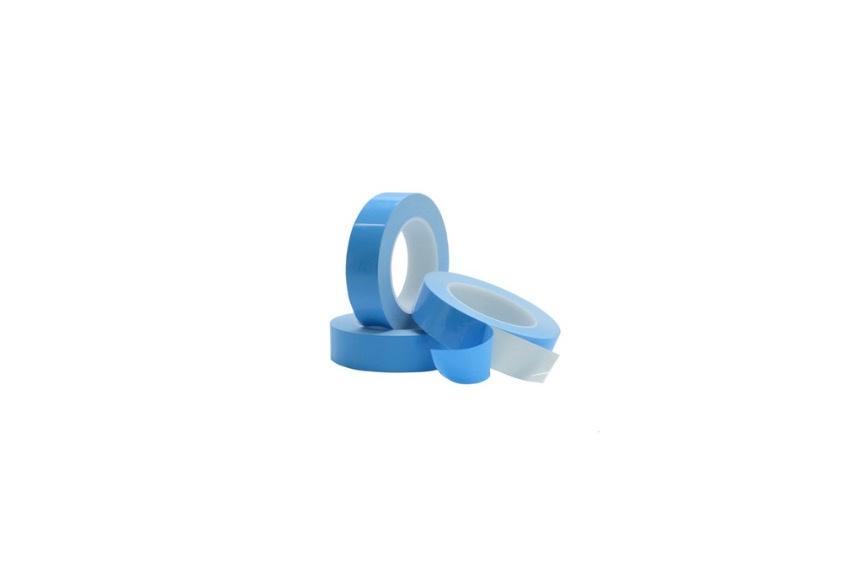
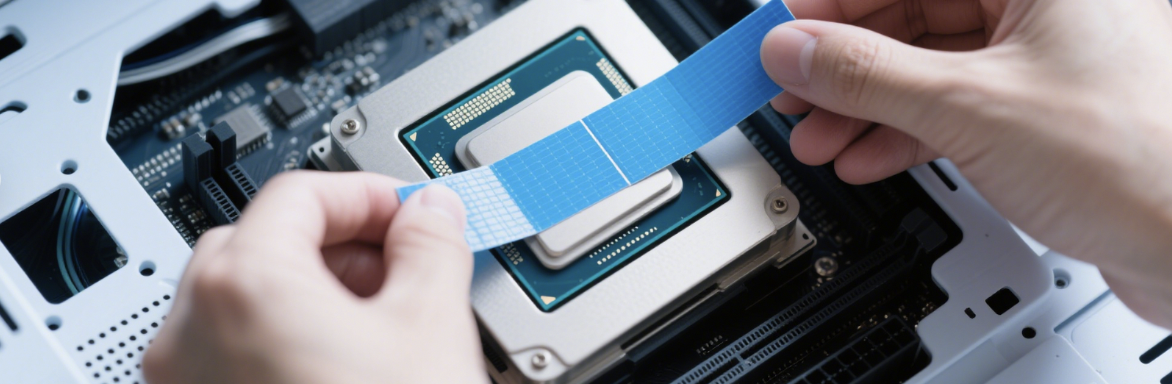
Thermal conductive tape is a specialized adhesive material engineered to transfer heat efficiently between surfaces, such as CPUs and heat sinks, while maintaining secure mechanical bonding. Unlike standard tapes, its core structure integrates:
A thermally conductive layer: Embedded with high-performance fillers like ceramic particles (e.g., aluminum oxide, boron nitride) or graphene, which channel heat away from sensitive components.
An adhesive base: Provides strong, long-lasting adhesion even under extreme temperatures.
A protective backing ensures ease of handling and application.
Key Properties:
High Thermal Conductivity (1–10 W/mK):
Designed to match or exceed the performance of traditional thermal pastes, with conductivity ratings tailored for industrial-grade CPUs and electronics.
Minimizes thermal resistance at the interface, ensuring rapid heat dissipation.
Electrical Insulation:
Non-conductive electrically, preventing short circuits even in high-voltage environments.
Ideal for applications where safety and component isolation are critical (e.g., automotive electronics, medical devices).
Durability Under Temperature Fluctuations:
Withstands extreme operating conditions (-40°C to 200°C+) without cracking, drying out, or losing adhesion.
Resists thermal cycling stress, making it suitable for devices exposed to repeated heating/cooling (e.g., industrial servers, LED lighting systems).
Easy Application vs. Thermal Paste or Pads:
No curing time: Instantly bonds components, accelerating production workflows.
Mess-free: Eliminates the uneven spreading or air bubbles common with liquid pastes.
Pre-cut customization: Available in rolls, sheets, or die-cut shapes to fit specific CPU sizes, reducing material waste.
How Thermal Conductive Tape Works for CPU Cooling
Heat Transfer Basics:
At its core, CPU cooling relies on conduction—the process of heat moving from a hotter object (the CPU) to a cooler one (the heat sink). Efficient heat dissipation is critical because:
Modern CPUs generate immense heat under load (e.g., 100–150W in high-performance servers).
Excess heat degrades silicon efficiency, leading to throttling (reduced clock speeds) or permanent damage.
Even minor temperature imbalances create "hotspots," shortening component lifespan.
Thermal conductive tape optimizes this process by ensuring heat flows smoothly and quickly away from the CPU.
Role of the Tape:
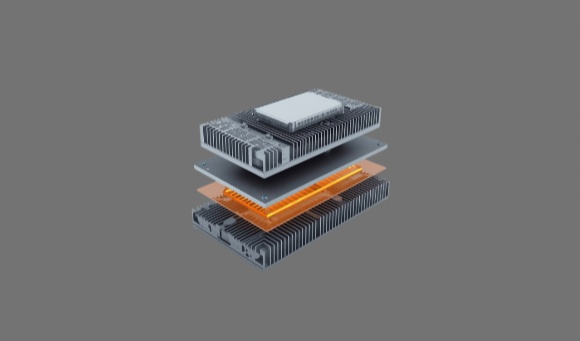
Bridges the Gap Between CPU and Heat Sink:
Microscopic imperfections on CPU and heat sink surfaces trap air pockets, which act as insulating barriers (air has a thermal conductivity of just 0.024 W/mK).
The tape’s conformable adhesive layer fills these gaps, creating a seamless thermal pathway.
Eliminates Air Pockets:
Air pockets are replaced with thermally conductive fillers (e.g., ceramic, graphene) that boost heat transfer efficiency by 10–100x compared to air.
This ensures maximum surface contact between components.
Ensures Even Heat Distribution:
The tape’s uniform thickness and material consistency prevent localized overheating.
Heat spreads evenly across the heat sink, avoiding stress points that could warp or crack the CPU.
Technical Advantages:
Reduces Thermal Resistance:
Thermal resistance (measured in °C/W) determines how easily heat flows between surfaces.
High-quality conductive tape achieves resistance values as low as 0.1–0.5°C/W, rivaling or surpassing traditional thermal pastes.
Prevents Hotspots:
By eliminating air gaps and ensuring full coverage, the tape mitigates temperature spikes that damage transistors or solder joints.
Critical for CPUs in 24/7 industrial environments (e.g., data centers, robotics).
Maintains Stable CPU Temperatures Under Load:
Consistent heat dissipation allows CPUs to operate at peak speeds without throttling.
Example: A server CPU running at 80°C instead of 95°C can maintain 20% higher clock speeds during intensive tasks.
Benefits of Thermal Conductive Tape for Industrial Buyers
For Business procurement teams and engineers, thermal conductive tape isn’t just a component—it’s a strategic investment in operational efficiency and long-term reliability. Here’s why industrial buyers are increasingly adopting this solution:
For B2B Decision-Makers:
Reliability in Harsh Environments:
Long-Term Adhesion: Engineered to maintain bond strength even under extreme temperatures (-40°C to 200°C+), humidity, and vibration.
Consistent Performance: Resists drying, cracking, or peeling over time, unlike thermal pastes that degrade with thermal cycling.
Ideal For: Automotive electronics (engine control units), outdoor telecom equipment, and industrial automation systems exposed to dust/moisture.
Cost-Effectiveness:
Lower Maintenance Costs: Eliminates the need for frequent reapplication (common with liquid TIMs), reducing downtime and labor expenses.
Reduced Waste: Pre-cut sizes and mess-free application minimize material overuse.
ROI Example: A factory using thermal tape reported a 30% reduction in annual maintenance costs compared to paste-based solutions.
Simplified Assembly:
No Curing Time: Bonds instantly, accelerating production line speeds.
Error-Proof Application: Pre-applied tapes or die-cut designs reduce human error during installation.
Training Savings: Requires minimal staff training vs. precise paste dispensing.
Customization for Specialized Needs:
Thickness Options: Ranging from 0.1mm to 2mm to accommodate varying CPU-heatsink gaps.
Tailored Shapes: Die-cut to fit niche PCB layouts or irregularly sized components.
Material Flexibility: Choose between ceramic-, graphene-, or silicone-based tapes for specific thermal/mechanical requirements.
Industry Applications:
Data Centers & Servers: Ensures stable cooling for high-density server CPUs, preventing throttling during peak loads.
Automotive Electronics: Withstands engine heat and vibrations in EVs/ADAS systems.
Medical Devices: Provides safe, reliable thermal management in MRI machines or surgical robotics (no risk of liquid leakage).
Aerospace: Performs reliably in low-pressure, high-altitude environments.
Thermal Conductive Tape vs. Traditional Thermal Solutions
Choosing the right thermal interface material (TIM) impacts both performance and profitability. Here’s how thermal conductive tape outperforms legacy solutions in industrial and electronics applications:
Comparison with Alternatives:
Thermal Paste:
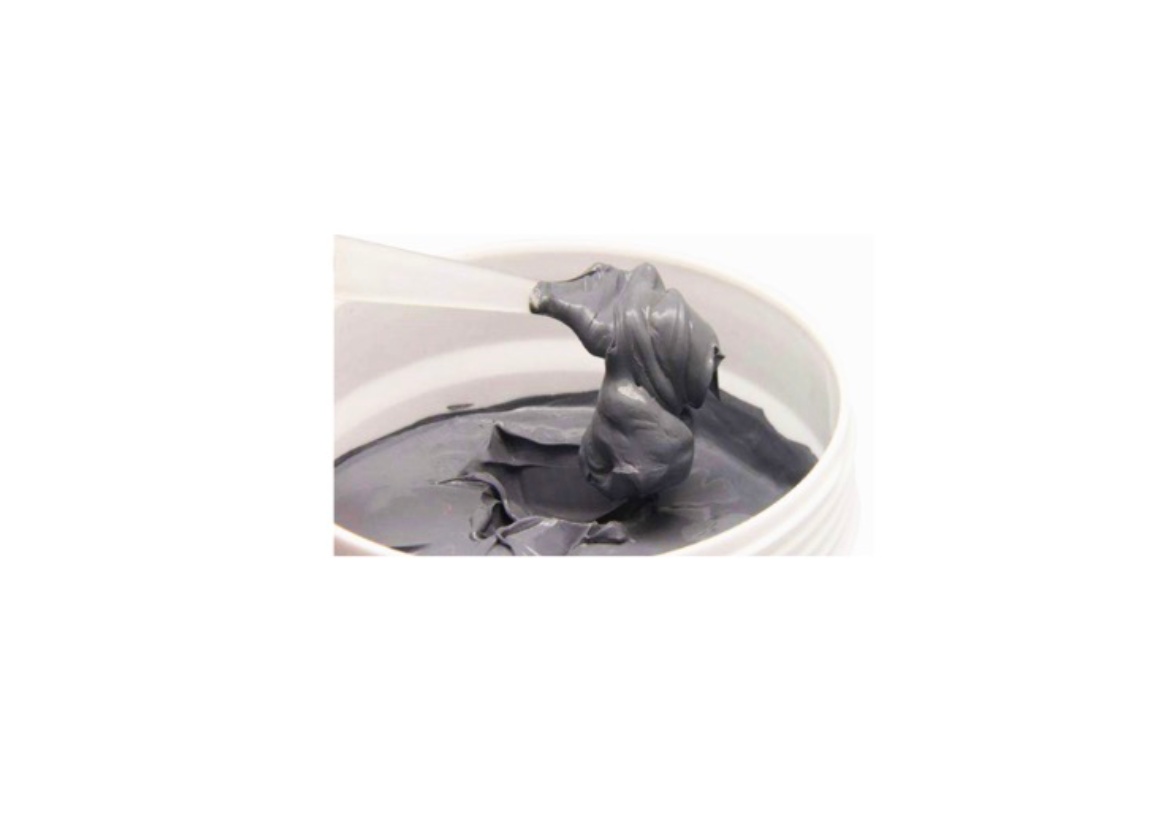
Messy Application: Requires precise dispensing; excess paste can leak, risking short circuits.
Reapplication Needs: Dries out or pumps out over time, demanding frequent maintenance (every 1–3 years).
Inconsistent Coverage: Air bubbles or uneven spreading create hotspots.
Drawbacks:
Tape Advantage: Pre-applied, uniform thickness eliminates guesswork and maintenance.
Thermal Pads:
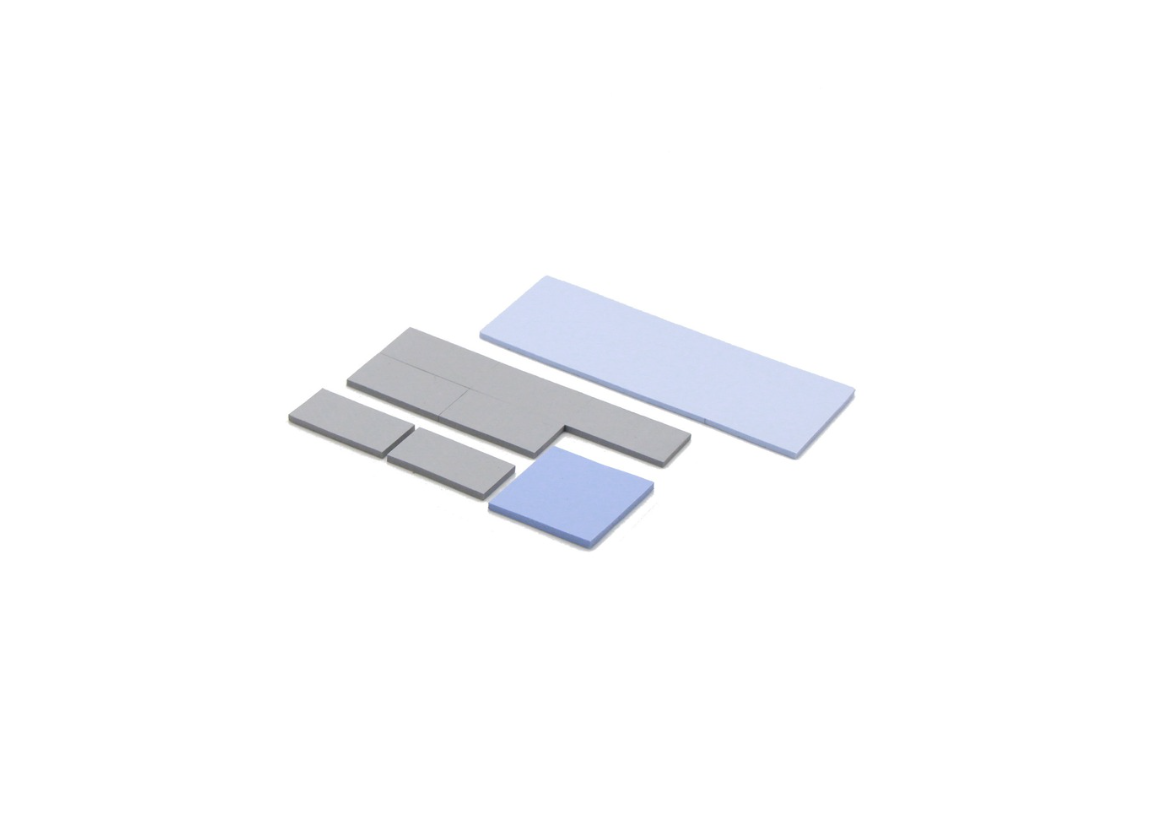
Limited Customization: Pre-cut sizes may not fit specialized CPU layouts, leading to wasted material.
Higher Thermal Resistance: Typical pads offer 1–3 W/mK conductivity vs. advanced tapes (5–10 W/mK).
Compression Issues: Over-tightening can tear pads; under-tightening leaves gaps.
Drawbacks:
Tape Advantage: Die-cut to exact specifications with superior conformability for seamless contact.
Screws/Clips:
Mechanical Stress: Over-tightening damages CPU substrates; vibrations loosen connections.
Uneven Pressure: Poor alignment creates air gaps, reducing heat transfer efficiency.
Labor-Intensive: Time-consuming installation for high-volume production.
Drawbacks:
Tape Advantage: Distributes pressure evenly, eliminating mechanical strain.
Why Thermal Conductive Tape Wins:
Consistency in Performance:
Delivers stable thermal conductivity (e.g., 5–10 W/mK) across batches, critical for ISO-compliant manufacturing.
No degradation over time, unlike pastes that dry or pads that compress.
Reduced Assembly Time:
No curing or clamping: Apply and go—ideal for automated production lines.
Example: A robotics manufacturer cut CPU assembly time by 40% by switching from paste to tape.
Scalability:
Easily integrated into roll-to-roll processing for mass production.
Reduces defects in high-volume orders (e.g., data center server builds).
Compliance:
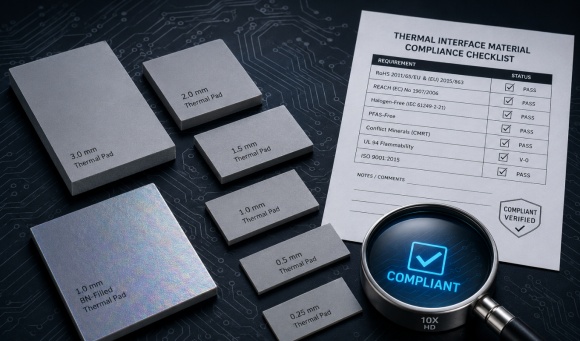
Meets stringent standards (UL 94V-0, RoHS) for fire resistance and environmental safety.
Real-World Scenario:
An automotive supplier producing EV battery controllers switched from thermal pads to conductive tape. Results:
20% lower thermal resistance, extending CPU lifespan by 2+ years.
Zero leakage in high-vibration environments, reducing warranty claims.
15% faster assembly per unit, saving $50,000 annually on labor.
How to Apply Thermal Conductive Tape for Optimal Results
Follow this step-by-step guide to ensure maximum heat transfer efficiency and long-lasting performance for your CPU cooling solutions:
Step-by-Step Application Guide
Clean CPU and Heat Sink Surfaces
Use 99% isopropyl alcohol and a lint-free cloth to remove dust, grease, or residue.
Ensure surfaces are completely dry before proceeding.
Cut Tape to Size
Measure the CPU’s surface area and cut the tape slightly smaller to avoid overhang.
Use a sharp blade or precision scissors for clean edges.
Apply Pressure for Strong Adhesion
Peel off the backing and align the tape with the CPU.
Press firmly from the center outward using a rubber roller or your fingers to eliminate air bubbles.
Hold for 10–15 seconds to ensure full adhesion.
Test Thermal Performance
Reattach the heat sink and run a stress test to monitor CPU temperatures.
Compare results to baseline—optimal application should lower temps by 5–15°C.
Pro Tips for Industrial Buyers
Avoid Stretching: Stretching thins the tape, reducing thermal conductivity. Handle edges carefully.
Storage: Keep tape in a cool, dry place (10–25°C) in its original packaging to prevent adhesive degradation.
Validate Thickness: Match tape thickness (e.g., 0.5mm, 1mm) to your CPU’s gap requirements (check OEM specs).
Bulk Application: For assembly lines, use pre-cut tapes or die-cut designs to standardize workflows and reduce waste.
Case Study: Industrial Server Manufacturer Slashes CPU Overheating by 25% with TaxoTape™ Thermal Tape
Background
A leading industrial server manufacturer faced recurring CPU overheating issues in their high-performance data center servers. Despite using premium thermal paste, units experienced:
15% failure rate within 12 months due to thermal throttling.
Frequent maintenance cycles (every 6–8 months) to reapply degraded TIMs.
Customer complaints about server downtime during peak operations.
The Solution
The company switched to our Thermal Conductive Tape with the following steps:
Product Selection: Chose a ceramic-filled tape (8 W/mK conductivity, 0.25mm thickness) to match their CPU-heatsink gap specifications.
Testing: Ran stress tests on 50 servers under 100% load for 72 hours.
Full Deployment: Integrated pre-cut tape strips into their automated assembly line.
Results
25% Reduction in Average CPU Temperatures:
Peak temps dropped from 95°C to 71°C under load, eliminating throttling.
Lower Failure Rates:
Annual CPU failures decreased from 15% to 3%, saving $120,000 in warranty costs.
Extended Component Lifespan:
Server lifespan increased from 3 to 5+ years, reducing replacement costs.
Production Efficiency:
Assembly time per server decreased by 20% due to the tape’s mess-free application.
FAQs About Thermal Conductive Tape
Q1: Can thermal tape withstand high temperatures (e.g., 150°C+)?
Yes! Industrial-grade thermal conductive tapes are engineered for extreme environments:
Temperature Range: Most tapes operate reliably between -40°C to 200°C, with specialty options (e.g., silicone-based) enduring up to 300°C.
Material Matters: Tapes with ceramic or graphene fillers excel in high-heat applications like automotive electronics or industrial servers.
Certifications: Look for UL 94V-0 or RoHS compliance for fire resistance and safety assurance.
Q2: How long does thermal tape last compared to paste?
Thermal tape outperforms paste in longevity:
Tape Lifespan: 5+ years without degradation, thanks to stable adhesive and filler materials.
Paste Lifespan: Requires reapplication every 1–3 years due to drying, pump-out, or cracking.
Cost Savings: Eliminate maintenance downtime and labor costs associated with paste reapplication.
Q3: Is it suitable for high-vibration environments?
Absolutely. Thermal tape is ideal for vibration-prone settings:
Secure Adhesion: Chemically bonds to surfaces, resisting loosening from shocks or movement.
Industry Use: Widely adopted in automotive (EV battery controllers), aerospace, and heavy machinery.
No Leakage: Unlike liquid pastes, tape won’t leak or migrate, ensuring consistent performance.
Q4: Can it be reused or repositioned?
No—thermal tape is designed for single-use, permanent adhesion:
Why? Once applied, the adhesive forms a strong bond; attempting to reposition it compromises conductivity and adhesion.
Pro Tip: Test alignment with the backing intact before final application. For prototyping, use removable dummy tape.
Bonus Q5: Does thermal tape provide electrical insulation?
Yes! Most tapes are electrically non-conductive, making them safe for:
PCB components.
High-voltage devices (e.g., power supplies).
Sensitive electronics where short-circuit risks are critical.
Conclusion & CTA
Recap:
Thermal conductive tape isn’t just a component—it’s a strategic solution for businesses prioritizing efficiency, reliability, and cost savings. By delivering:
Superior Thermal Performance: Stable heat dissipation, reduced hotspots, and extended CPU lifespan.
Lower Total Cost of Ownership: No reapplication, minimal waste, and faster assembly.
Industrial-Grade Durability: Built to thrive in harsh, high-vibration, or temperature-fluctuating environments.
… This innovative material empowers industries to future-proof their operations while maximizing ROI.
CTA:
Upgrade your thermal management today with TaxoTape™’s industrial-grade conductive tape.
[Explore Our Product Line] – Discover tapes engineered for servers, automotive systems, and mission-critical electronics.
[Request Free Samples] – Test performance in your application risk-free.
[Contact Us for Bulk Pricing] – Save on volume orders with tailored solutions.
Why Act Now?
Every day without optimized thermal management, risks costly downtime, repairs, and missed opportunities. Join leading manufacturers to keep their systems cool, efficient, and competitive.