Welcome to Taxo Tape
How Graphene-Enhanced TIMs Improve Thermal Management
Introduction
As electronic devices push toward higher power densities and smaller form factors, thermal management has become one of the most pressing challenges for design engineers. Thermal interface materials (TIMs) are essential in bridging microscopic gaps between heat sources and heat sinks, reducing thermal resistance and improving system reliability. Recently, graphene-enhanced TIMs have emerged as a promising solution thanks to graphene’s exceptional thermal conductivity and mechanical strength.

What Are Graphene-Enhanced TIMs?
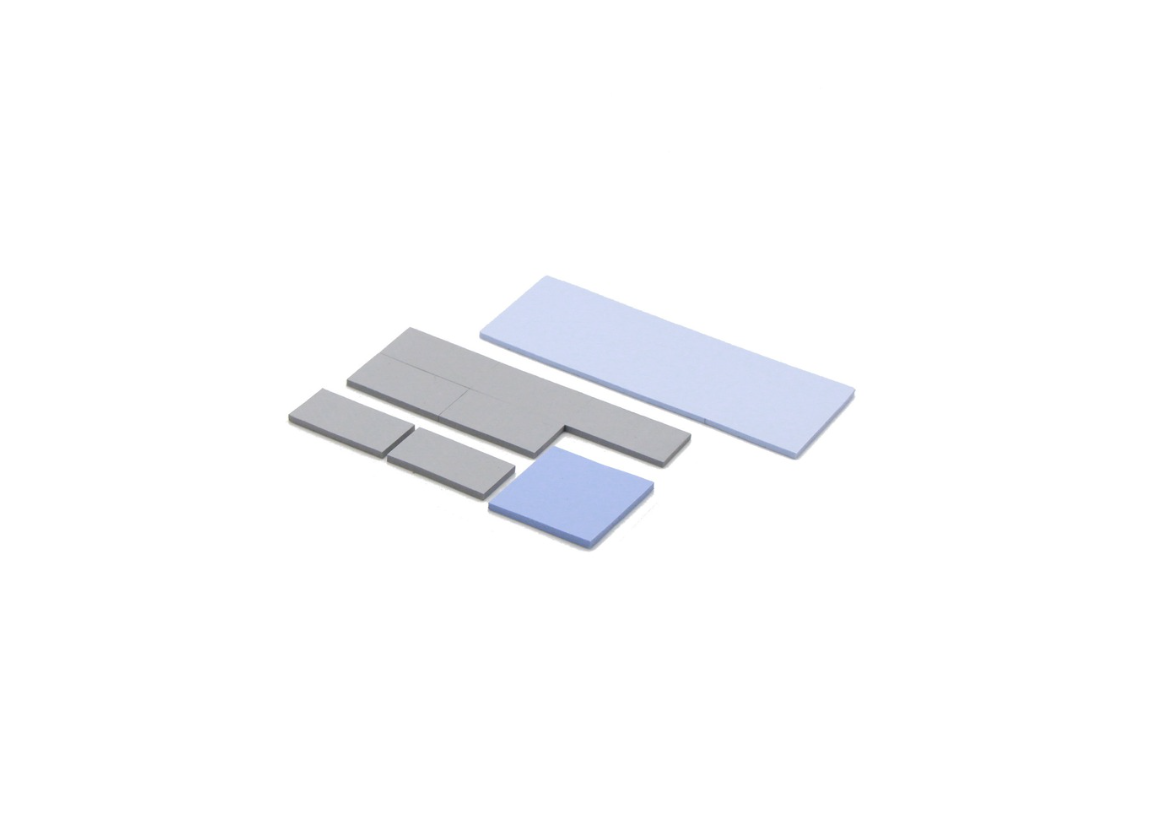
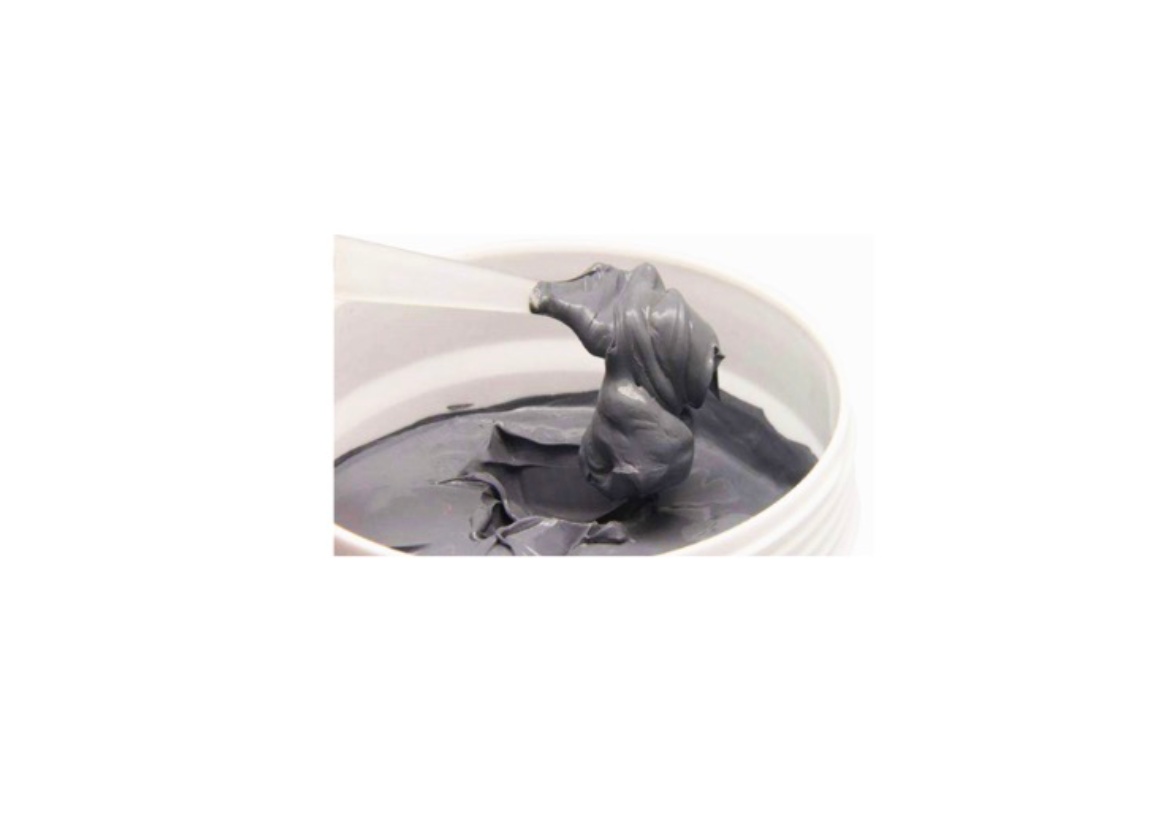
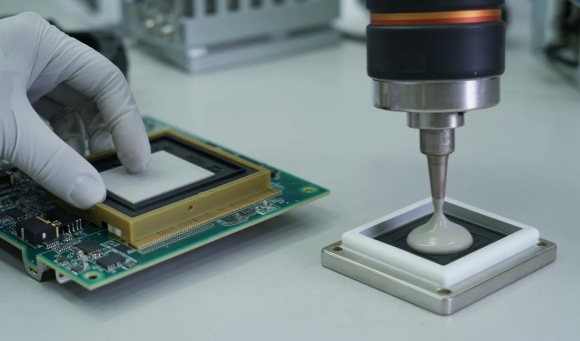
Graphene-enhanced TIMs are thermal pads, greases, or films that incorporate graphene flakes or graphene nanoplatelets as fillers within a polymer or phase-change matrix.
Thermal conductivity of graphene: >2000 W/m·K in-plane
Result in TIMs: significantly improved heat spreading and reduced thermal resistance compared to traditional fillers such as aluminum oxide or boron nitride
By leveraging graphene’s properties, these TIMs can deliver better performance without drastically increasing thickness or compromising mechanical flexibility.
Key Advantages of Graphene-Enhanced TIMs
1. Superior Thermal Conductivity
The addition of graphene helps create efficient heat pathways, reducing hot spots and maintaining stable operating temperatures in power modules, LEDs, and processors.
2. Thinner Bond Line Thickness
Graphene’s high efficiency allows TIMs to achieve strong performance at thinner layers, which is especially important in compact designs where space is limited.
3. Mechanical Strength and Reliability
Graphene enhances the structural integrity of the TIM, resisting pump-out, cracking, and mechanical fatigue during thermal cycling.
4. Wide Application Flexibility
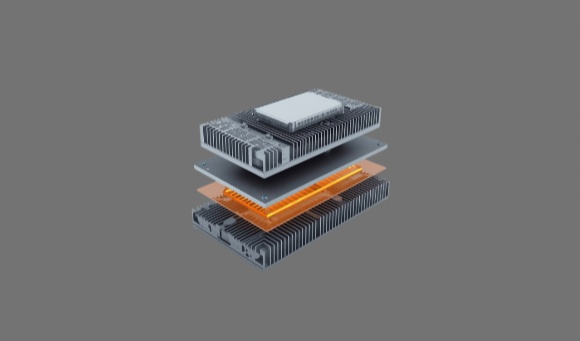
Graphene-enhanced TIMs are available in different forms—such as pads, gels, or phase-change sheets—allowing engineers to select the best fit for their assembly processes.
Applications in Power Electronics
High-Power Inverters
Graphene-enhanced TIMs improve the reliability of IGBT and MOSFET modules, keeping junction temperatures under control during heavy load operation.
Battery Packs and Energy Storage
In EV and energy storage systems, these TIMs help manage heat in tightly packed cells, reducing the risk of uneven temperature distribution.
LED and Display Modules
For high-brightness LEDs, better thermal dissipation translates into longer lifetime and consistent light output.
Telecom and 5G Infrastructure
Base stations and high-frequency equipment benefit from TIMs that handle continuous high power with minimal thermal degradation.
Cost vs. Performance Considerations
Graphene-enhanced TIMs are typically more expensive than conventional silicone pads or greases due to advanced raw materials and processing techniques. However, the long-term benefits—extended component lifespan, reduced failures, and improved efficiency—often outweigh the higher initial cost, particularly in mission-critical systems.
Conclusion
Graphene-enhanced TIMs represent a significant advancement in thermal management technology. By combining graphene’s outstanding conductivity with the reliability of engineered TIMs, they provide a powerful solution for industries ranging from automotive and renewable energy to LED lighting and telecom equipment.
For engineers and procurement managers evaluating next-generation TIMs, graphene-based solutions are worth considering when performance and reliability are top priorities.