Welcome to Taxo Tape
How Bond Line Thickness Influences TIM Performance in High-Power Systems
Introduction
As electronic systems push toward higher power density, the heat generated per unit area rises sharply. Traditional cooling approaches often cannot keep pace with this change. While many discussions focus on thermal conductivity values, another factor quietly determines whether a thermal interface material (TIM) performs as expected: bond line thickness (BLT).
A TIM that looks good on paper may fail in the field simply because its installed thickness deviates from the intended value.

What is Bond Line Thickness?
Bond line thickness refers to the final compressed thickness of a TIM when it is sandwiched between two surfaces. It depends on more than the nominal thickness of the material. Surface flatness, assembly pressure, and the material’s flow characteristics all influence the resulting BLT.
In other words, BLT is not a published number—it is the thickness that actually forms inside the product.
The Physics: How Thickness Affects Thermal Resistance
The relationship between BLT and heat transfer is straightforward:
R = t / (k × A)
Where R is thermal resistance, t is thickness, k is thermal conductivity, and A is contact area. A thinner layer reduces thermal resistance, but only if the layer truly makes uniform contact.
In practice, pushing the BLT too low can create voids, increase surface mismatch, and lead to pump-out under vibration or temperature cycling. As a result, the thermal path may worsen rather than improve.
Mechanical & Reliability Trade-offs
BLT also influences mechanical behavior at the interface. Very low thickness increases local pressure, which may accelerate material aging or cause dry-out in greases. Pump-out and cracking are more likely when the TIM cannot absorb movement or stress.
A slightly higher BLT can provide stress absorption, support surface unevenness, and deliver more stable long-term performance—especially in modules exposed to large temperature swings.
Matching BLT to TIM Type
Different TIMs form very different bond lines:
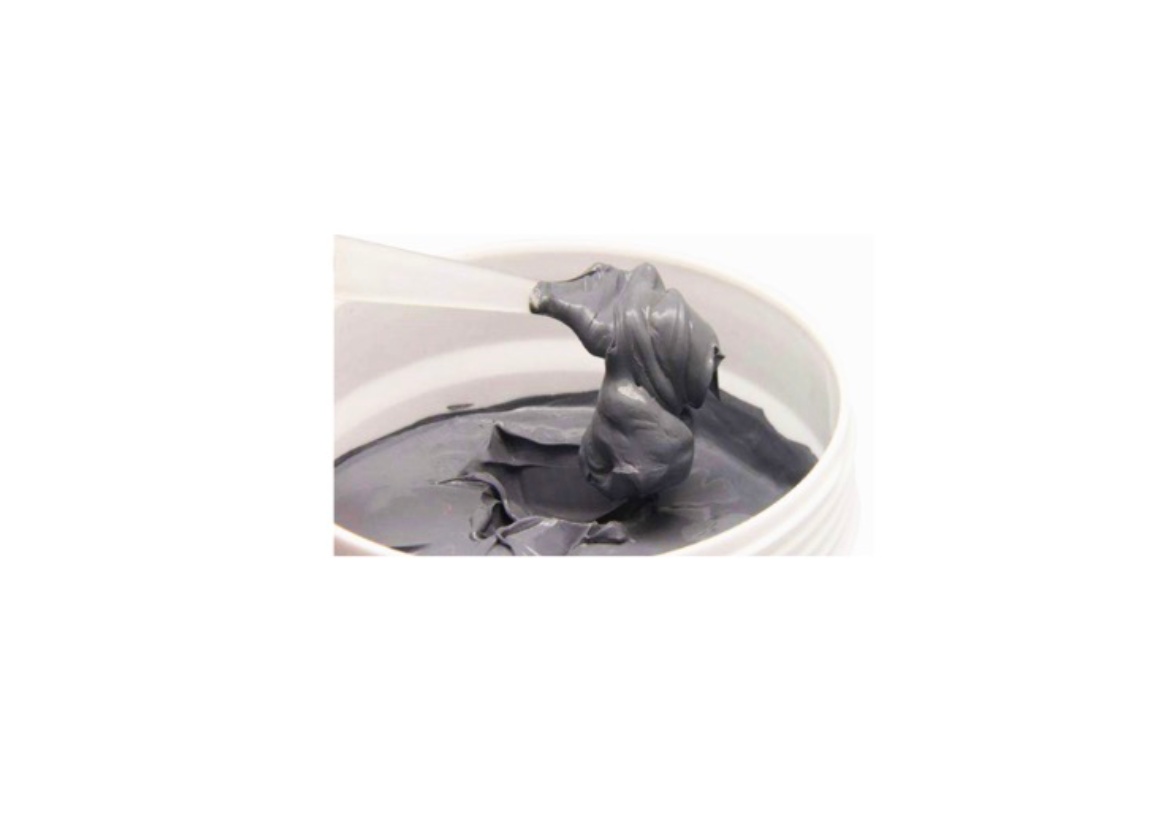
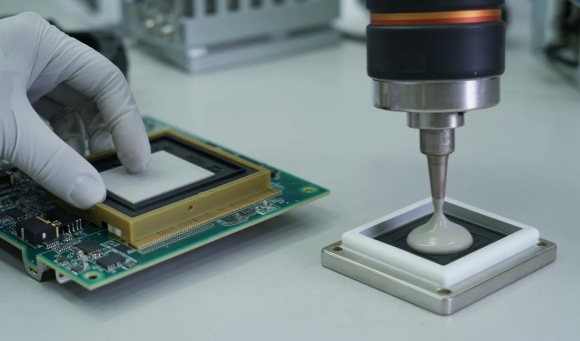
Thermal greases and gels naturally form very thin BLTs, but designers must validate stability under vibration and reflow conditions.
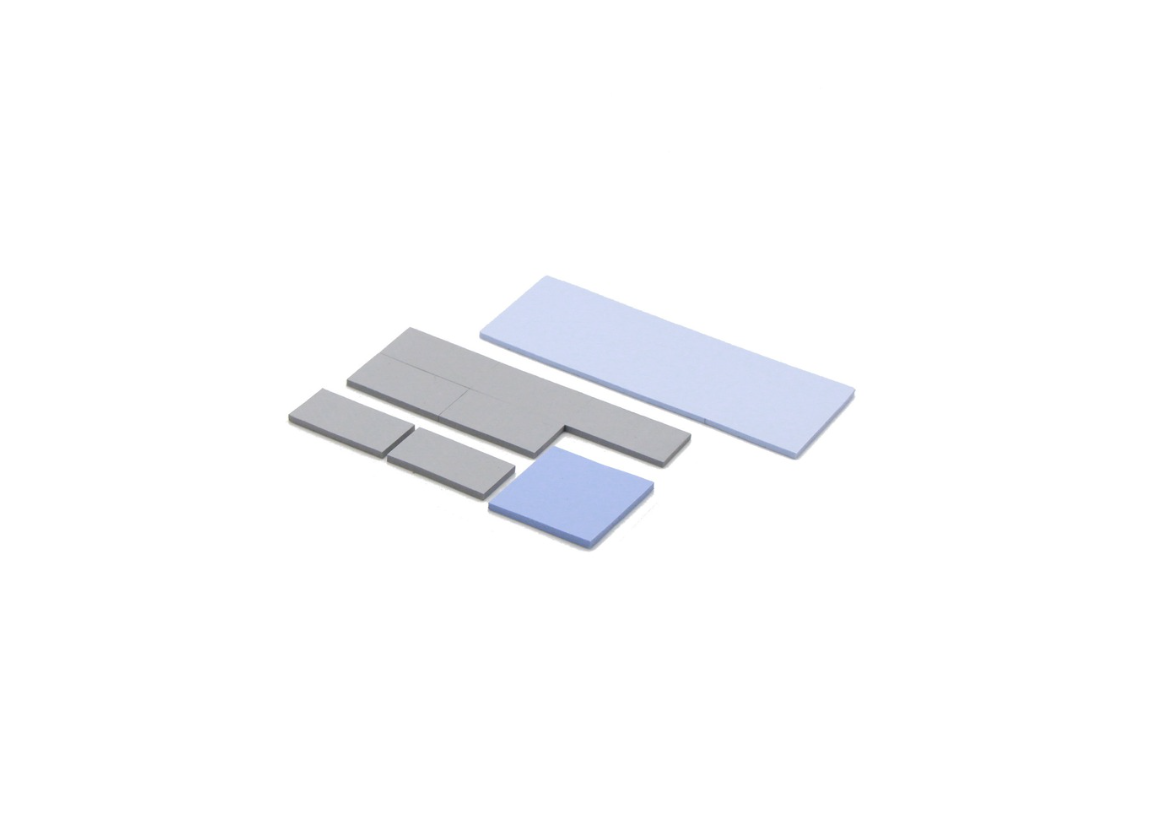
Gap pads compress to a target range; their softness largely determines how thin they can go.
Phase change materials rely on melting to achieve a uniform BLT, making their installed thickness predictable.
Graphite sheets are manufactured at fixed thicknesses, and their limited compressibility means design and surface preparation are critical.
Application Examples
EV inverter modules:
Power electronics in electric vehicles run under high load and demand fast heat removal. A controlled, lower BLT lets heat flow efficiently into the baseplate or cold plate, improving spreading and reducing junction temperature. Too thick, and resistance increases; too thin, and long-term reliability drops. The best results come from tuned pressure and material selection.
LED boards:
Lighting modules often require electrical insulation between the PCB and heatsink. Here, BLT design is a balancing act—thick enough for insulation and manufacturability, but thin enough to avoid excessive thermal drop. Materials such as soft pads or phase change films are commonly optimized in this space.
Power supply MOSFETs:
Designers frequently decide between grease and gap pads. Grease achieves very low BLT and excellent resistance, but it may pump out under rework or thermal cycling. Pads deliver predictable BLT and cleaner assembly, though typically at higher resistance. Choosing between them is often driven by thickness constraints, service conditions, and reliability expectations.
Engineering Guidelines for Choosing BLT
A good starting point is the heat flux requirement—how many watts need to be moved through the interface—not the nominal thickness from a datasheet. Next, surface quality, clamping force, and expected rework cycles all influence feasible BLT.
Finally, theory is not enough. Prototypes, pressure mapping, and CFD modelling validate whether the chosen BLT actually works under real-world assembly and thermal loads.
Conclusion
Bond line thickness is not a fixed value; it is a design parameter. Small adjustments can unlock noticeable performance differences without changing the TIM itself. Treating BLT as something to tune rather than assume allows engineers to improve cooling efficiency, reliability, and cost effectiveness.