Welcome to Taxo Tape
Key Features of High-Temperature Thermal Tapes for Power Electronics
Introduction
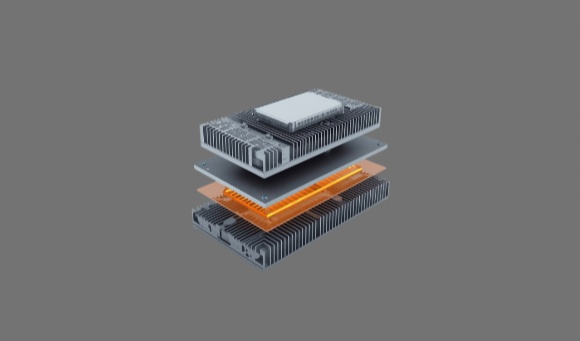
Power electronics systems operate under high thermal stress. Devices such as inverters, IGBTs, MOSFETs, and power modules generate significant heat that must be efficiently dissipated to maintain performance and reliability. Among various thermal interface materials, high-temperature thermal tapes have become a preferred choice for engineers who need both strong adhesion and stable thermal conductivity in demanding environments.
Why High-Temperature Thermal Tapes Matter
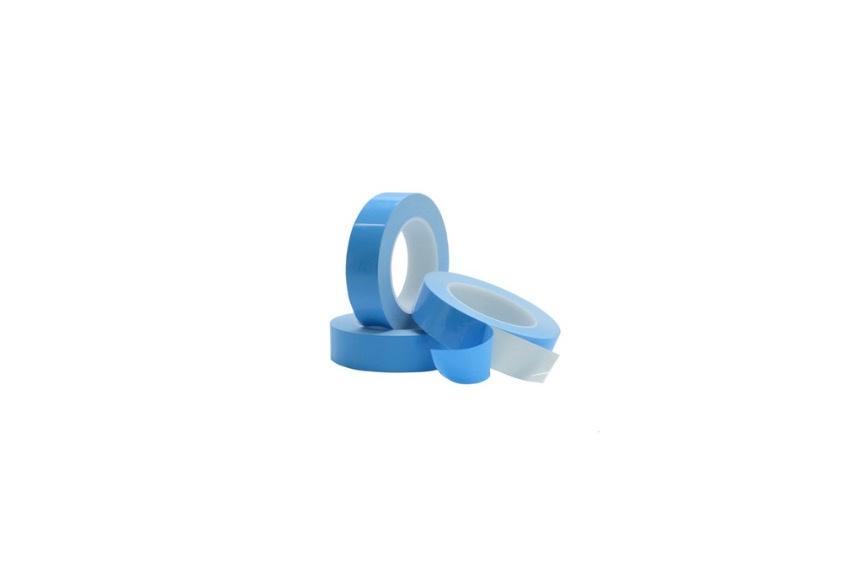
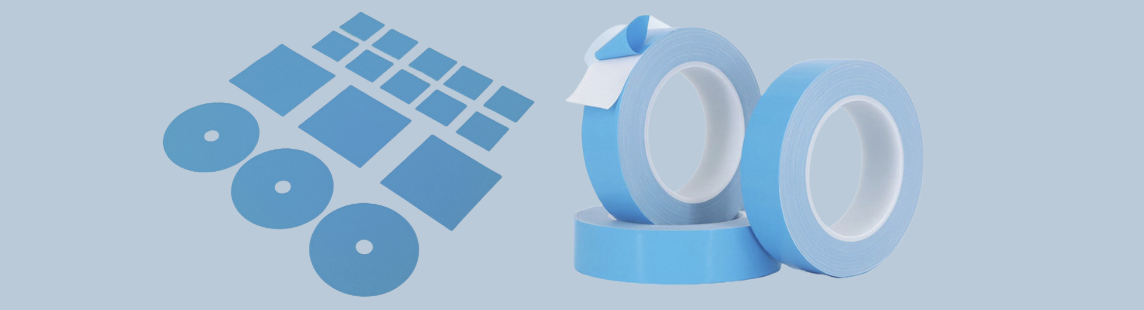
Unlike conventional double-sided tapes, high-temperature thermal tapes are engineered with heat-resistant polymers and thermally conductive fillers. This allows them to maintain consistent bonding strength and thermal transfer properties even when exposed to continuous temperatures above 120–200°C.
In power electronics, where devices often operate under fluctuating loads and high heat, a material that can withstand thermal cycling without degradation is essential.
Core Features and Performance Advantages
2.1 Excellent Heat Resistance
The backbone of these tapes is typically silicone or acrylic adhesive combined with ceramic or aluminum oxide fillers. This composition delivers stable adhesion and heat conduction even under long-term exposure to elevated temperatures.
2.2 Reliable Thermal Conductivity
High-temperature thermal tapes provide conductivity values typically ranging from 1.0 to 3.0 W/m·K, ensuring efficient heat dissipation between electronic components and heat sinks. This helps prevent local overheating and extends component lifespan.
2.3 Strong and Durable Bonding
The adhesive layer is optimized to resist creep and maintain consistent bonding pressure under high loads. It adheres well to metal surfaces such as aluminum, copper, and stainless steel — common materials in power modules and converters.
2.4 Electrical Insulation
Many thermal tapes are designed with dielectric layers, offering excellent electrical isolation while maintaining high thermal flow. This dual function is critical for ensuring device safety in high-voltage assemblies.
2.5 Ease of Application
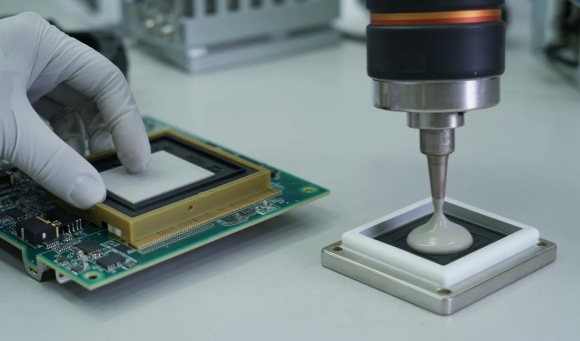
Unlike thermal grease or adhesive pastes, thermal tapes are clean, pre-formed, and easy to handle. They simplify the assembly process, reduce waste, and ensure uniform thickness — an advantage in automated or mass production lines.
Applications in Power Electronics
High-temperature thermal tapes are widely used in:
Power modules and inverters — bonding IGBT chips or modules to heat sinks.
DC/DC converters — securing heat-generating components while maintaining insulation.
Battery management systems (BMS) — stabilizing temperature across cells.
EV powertrains and chargers — supporting compact designs with high thermal loads.
Their consistent performance under harsh conditions makes them ideal for both industrial and automotive power applications.
How to Select the Right Tape
When selecting a thermal tape for high-temperature power electronics, engineers should evaluate:
Thermal conductivity (W/m·K)
Adhesive strength (N/cm)
Continuous operating temperature
Electrical insulation capability
Thickness and compressibility
Compatibility with metals and coatings
Testing under actual application conditions is the best way to confirm suitability and long-term reliability.
Conclusion
High-temperature thermal tapes play a crucial role in modern power electronics, where performance and reliability are directly tied to effective heat management. With their combination of strong adhesion, stable conductivity, and clean assembly, they provide a dependable solution for engineers designing next-generation inverters, converters, and energy systems.