Welcome to Taxo Tape
High-Conductivity TIMs: Are They Worth the Extra Cost?
Introduction
As electronic devices become smaller and more powerful, the demand for efficient heat management is higher than ever. Thermal interface materials (TIMs) play a vital role in bridging the gap between heat-generating components and cooling systems. Among them, high-conductivity TIMs stand out for their superior thermal performance—but they also come with a higher price tag. The question many engineers and procurement managers face is simple: are high-conductivity TIMs worth the extra cost?

What Defines a High-Conductivity TIM?
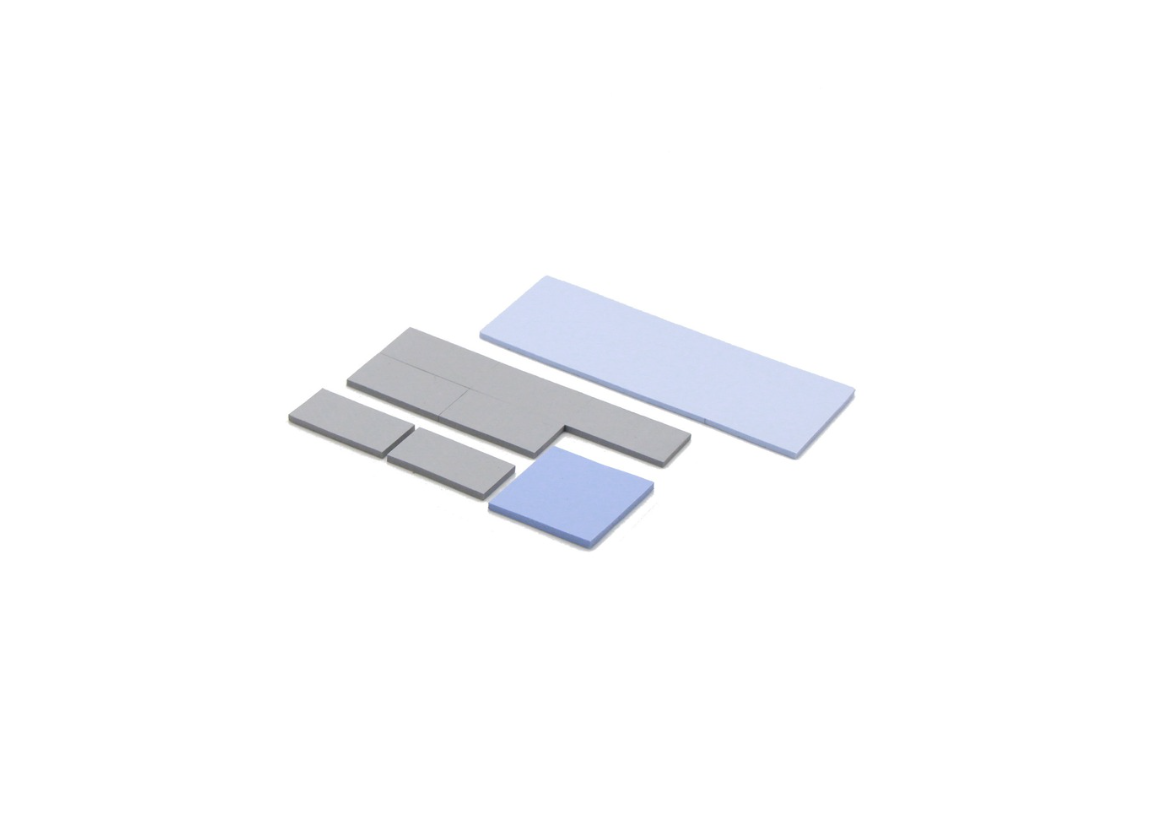
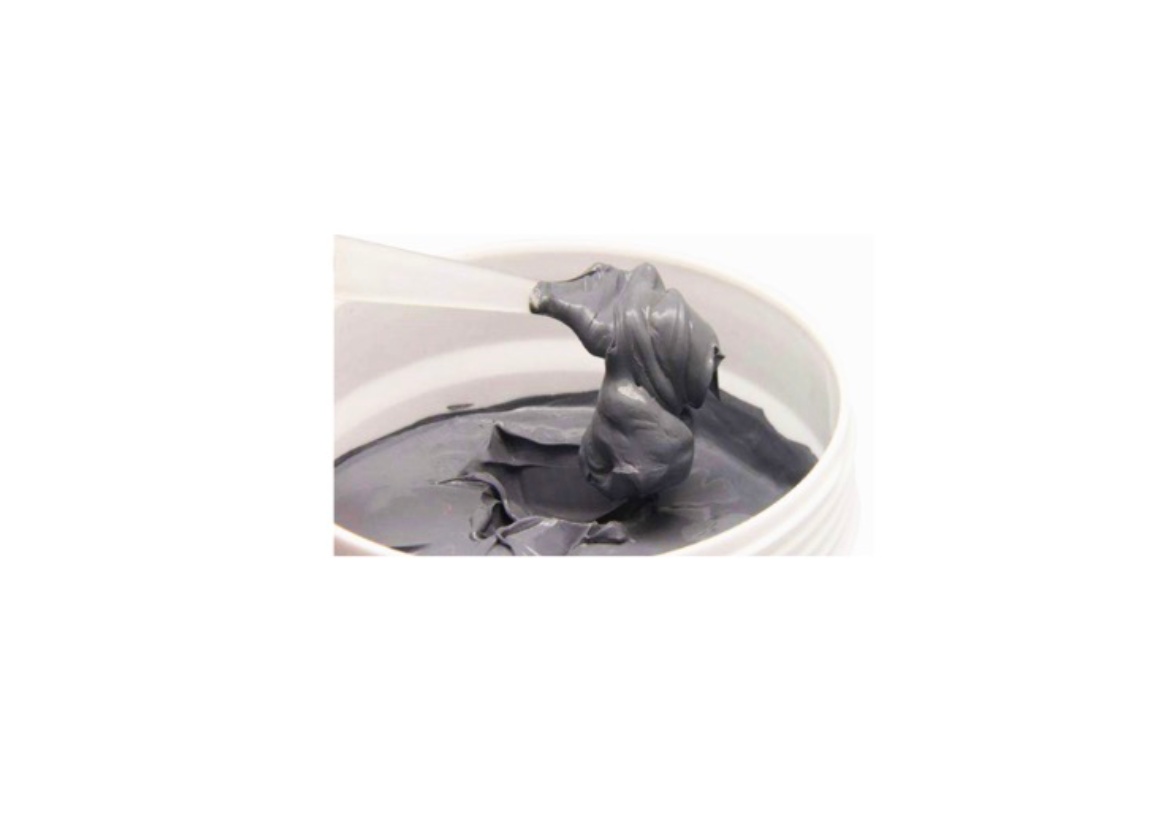
Thermal conductivity is the ability of a material to transfer heat, measured in W/m·K. Standard silicone pads or greases typically offer values between 1–5 W/m·K, while high-conductivity TIMs can exceed 10 W/m·K, with some advanced materials reaching 20 W/m·K or more.
This significant jump in performance often comes from specialized fillers such as aluminum oxide, boron nitride, or graphite, carefully engineered into silicone or phase-change matrices.
The Benefits of High-Conductivity TIMs
1. Lower Junction Temperatures
Reducing thermal resistance helps components like IGBTs, MOSFETs, and CPUs operate at lower temperatures, directly improving reliability and lifespan.
2. Enabling Higher Power Density
Designers aiming for compact systems—whether in LED lighting, EV battery packs, or telecom power supplies—benefit from high-conductivity TIMs to prevent overheating in tight spaces.
3. Improved System Reliability
By reducing thermal cycling stress, high-conductivity TIMs can help avoid premature failures, ensuring stable performance over years of operation.
The Cost Factor: Where Does the Money Go?
High-conductivity TIMs require more advanced fillers, tighter process control, and often stricter quality assurance. These factors raise production costs. For buyers, this means:
Per-unit material cost is higher compared to standard TIMs.
Assembly costs may stay the same, as many high-conductivity products are still easy to apply.
Long-term savings can outweigh initial expense, especially if they prevent costly component replacements or system failures.
When Paying Extra Makes Sense
High-Conductivity TIMs Are Justified If:
Your system operates at high power densities (e.g., EV inverters, battery modules).
The design has tight thermal margins, where every degree matters.
Downtime or failures would cause significant financial or safety risks.
Standard TIMs May Be Sufficient If:
The device runs at moderate power with ample cooling.
Budget constraints outweigh performance needs.
The design prioritizes cost efficiency over maximum performance.
Case Example: Inverter Module
A power electronics manufacturer tested a high-conductivity thermal pad (12 W/m·K) against a standard pad (3 W/m·K) in an inverter design. The high-performance material lowered device junction temperatures by 6–8°C, extending expected component lifetime by nearly 30%. Although the TIM material cost doubled, the overall system reliability gains justified the investment.
Conclusion
High-conductivity TIMs are not always necessary, but in demanding applications—such as EV chargers, battery systems, and industrial power modules—they can deliver measurable benefits in performance and reliability. For engineers balancing cost versus thermal performance, the extra investment in high-conductivity TIMs often pays off in the long run.