Welcome to Taxo Tape
Choosing Phase Change Materials for High-Temperature Inverter Modules
Introduction
Modern inverter systems, whether used in electric vehicles (EVs), renewable energy systems, or industrial motor drives, operate under increasingly demanding thermal conditions. As power density and switching frequencies rise, maintaining efficient thermal management has become essential to ensure stable performance and prevent premature device failure.
At high temperatures, even small inefficiencies in heat transfer can lead to thermal stress, derating, or system shutdowns. This is especially critical for SiC and IGBT-based inverter modules, which run continuously under variable loads.
In this context, Phase Change Materials (PCMs) are gaining recognition as a reliable thermal interface solution. Their unique ability to absorb and release heat during phase transitions helps regulate temperature spikes and improve long-term thermal stability — making them an excellent choice for high-temperature power electronics.
Understanding Phase Change Materials (PCMs)
Phase Change Materials (PCMs) are thermal interface materials designed to absorb heat when the temperature rises and release it when it cools down, thanks to a solid-to-liquid phase transition. This reversible process allows PCMs to stabilize temperatures and maintain consistent contact between heat sources and heat sinks.
Most PCMs are formulated using wax-based or polymer-based compounds enhanced with thermally conductive fillers such as aluminum oxide, boron nitride, or graphite. This combination enables both high thermal conductivity and mechanical stability during phase change cycles.
Unlike traditional TIMs such as greases, pads, or gels, PCMs do not rely solely on constant pressure or viscous contact. Instead, they soften and flow slightly at operating temperature, filling microscopic air gaps for superior interface contact — without the pump-out issues often seen in thermal grease.
Their self-regulating behavior makes PCMs especially valuable in applications with intermittent or cyclic power loads, such as inverter modules, where heat generation fluctuates with operation.
Thermal Management Challenges in High-Temperature Inverter Modules
High-temperature inverter modules face multiple thermal and mechanical challenges due to their demanding operational profiles:
Continuous high-load operation: Power devices such as IGBTs and SiC MOSFETs generate concentrated heat flux, often exceeding 100 W/cm², making heat removal a critical design constraint.
Uneven temperature distribution: Localized hot spots can lead to thermal imbalance within the module, accelerating aging or triggering protection mechanisms.
Temperature cycling stress: Repeated heating and cooling cycles create coefficient of thermal expansion (CTE) mismatch between materials like ceramics, metals, and encapsulants, leading to potential delamination or cracking.
Material degradation risks: Conventional TIMs may suffer from pump-out, drying, or chemical oxidation under continuous high-temperature exposure, reducing their thermal efficiency and reliability over time.
Addressing these issues requires thermally stable materials that can maintain consistent performance across a wide temperature range — which is where PCMs excel.
Key Selection Criteria for PCMs in High-Temperature Environments
Selecting the right PCM for inverter applications involves understanding the balance between thermal, mechanical, and electrical requirements. Engineers should evaluate several key parameters:
Melting Point Range:
The PCM’s transition temperature must align with the inverter’s operating range. For high-temperature modules, PCMs with melting points between 50°C and 100°C are typically optimal — softening enough to ensure good contact but stable under load.Thermal Conductivity (W/m·K):
Higher conductivity improves heat spreading, but excessive filler loading can reduce flexibility. A practical range for high-performance PCMs is 3–10 W/m·K, depending on power density.Latent Heat Capacity:
This defines how much thermal energy the material can absorb during phase change. Higher latent heat capacity helps buffer transient thermal spikes, protecting sensitive components.Stability and Cycling Durability:
The PCM should resist leakage, oxidation, and breakdown after thousands of heating and cooling cycles. Testing under -40°C to 150°C thermal cycling conditions is recommended.Electrical Insulation:
Some inverters require dielectric isolation between power devices and heat sinks. In these cases, electrically insulating PCMs should be chosen to ensure safety and compliance.Compatibility and Adhesion:
The PCM must maintain good surface wetting with common materials like aluminum baseplates, copper spreaders, and ceramic substrates, ensuring reliable long-term contact.
Material Options and Form Factors
Engineers today can choose from several PCM material families and formats, depending on performance requirements and manufacturing processes:
Wax-Based PCMs:
Cost-effective and chemically stable, suitable for moderate power levels. However, they typically offer lower thermal conductivity and may require additional containment structures.Polymer-Enhanced PCMs:
Combine phase change capability with improved mechanical integrity and reworkability. Ideal for industrial and automotive applications needing long service life.Graphite-Loaded PCMs:
Deliver superior thermal conductivity for extreme power density modules. Common in SiC inverter systems and renewable energy converters.
Available Form Factors:
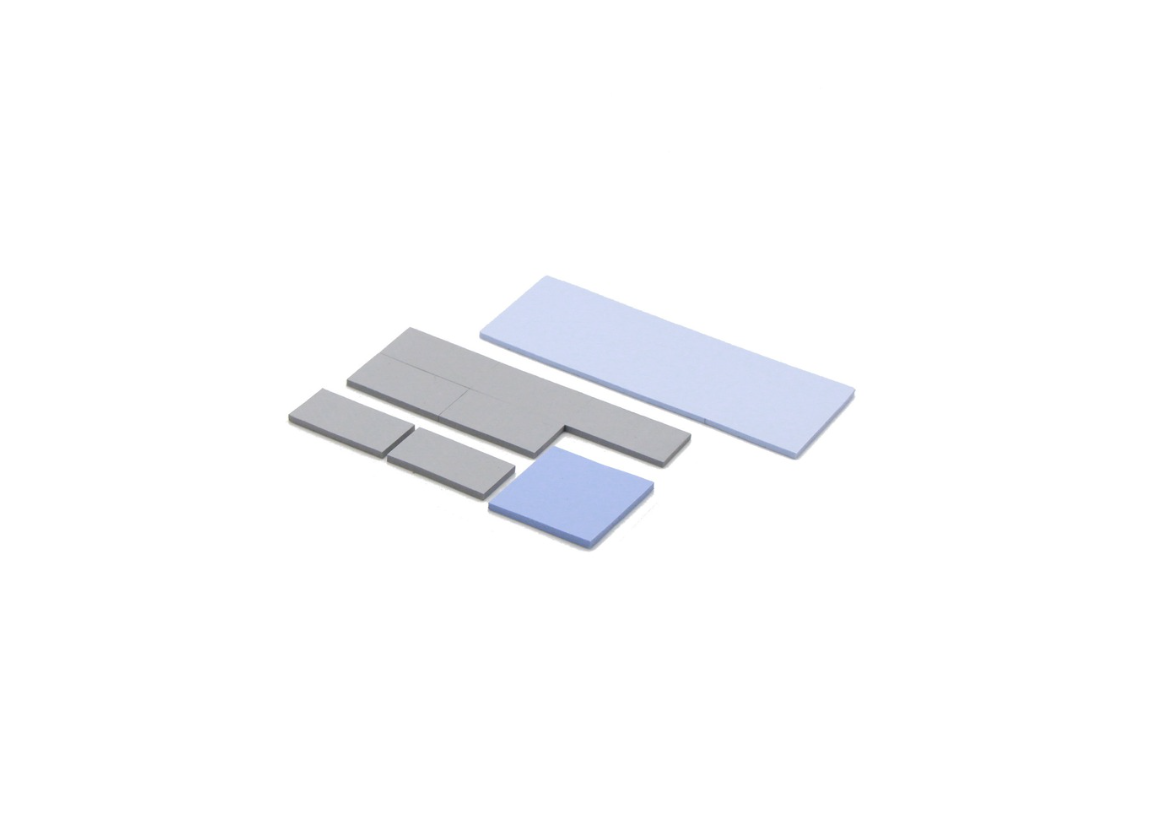
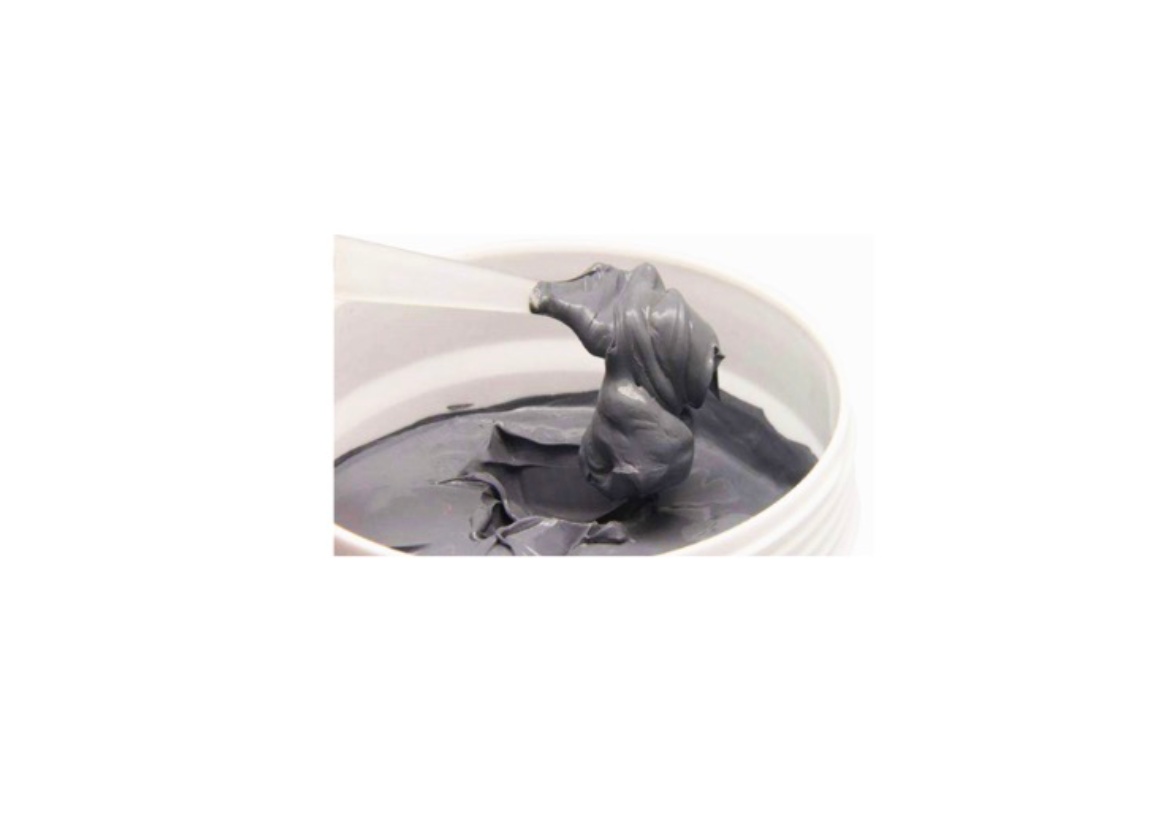
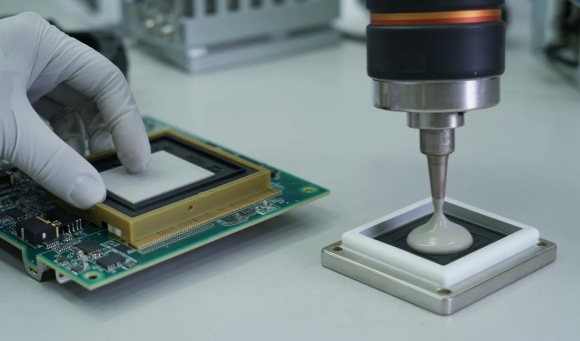
PCMs are available as pre-cut sheets, dispensable pastes, or coated films, offering flexibility for both manual assembly and automated production.
By choosing the right formulation and form factor, engineers can significantly improve inverter reliability, simplify assembly, and extend operational life in high-temperature conditions.
Case Example
A leading industrial inverter manufacturer faced recurring reliability issues with silicone-based thermal grease—mainly pump-out and temperature drift under long-term cycling.
By switching to a graphite-enhanced phase change material (PCM), the engineering team achieved:
Improved temperature uniformity across the IGBT baseplate.
Reduced peak junction temperature by 8–12°C under full load.
Extended module lifetime due to lower thermal stress and oxidation rate.
Additionally, the use of PCM simplified the assembly and maintenance process, as it eliminated the need for periodic reapplication and cleaning.
Best Practices for Implementation
To maximize PCM performance in high-temperature inverter modules:
Validate thickness and coverage before mass production to ensure consistent heat transfer.
Avoid excessive compression — overloading can damage the PCM structure and reduce its cycling ability.
Perform accelerated reliability tests, such as thermal cycling and power cycling, to assess phase stability.
Monitor melting and re-solidification behavior after extended exposure to high temperature or humidity.
Ensure surface cleanliness on both mating surfaces to improve wetting and minimize contact resistance.
Conclusion
Phase change materials are becoming a key enabler for stable thermal performance in next-generation inverter systems.
Their ability to absorb transient heat loads and maintain consistent thermal resistance makes them ideal for high-temperature applications such as EV powertrains and renewable energy inverters.
Selecting the right PCM formulation and melting range is critical for ensuring long-term stability and manufacturability.
Engineers are encouraged to collaborate with TIM specialists early in the design stage to validate materials under real operating conditions and optimize the entire thermal management system.
FAQ
Q1: What is the best phase change material for inverter modules?
It depends on the power density and operating temperature. For SiC-based inverters, PCMs with a melting range of 60–90°C and thermal conductivity above 3 W/m·K are often preferred.
Q2: How do PCMs compare to thermal grease or pads?
PCMs provide better long-term stability and cleaner processing than grease, while offering lower thermal resistance than most pads once phase transition occurs.
Q3: Can PCMs handle continuous high-temperature operation?
Yes—advanced polymer or graphite-filled PCMs can operate stably at up to 120–150°C, depending on formulation.
Q4: What melting point range is suitable for SiC-based inverters?
Typically 70–90°C, allowing efficient phase transition during normal load operation while maintaining solid-state stability during standby.
Q5: Are PCMs reusable or replaceable after long-term cycling?
In most cases, PCMs can be reused if mechanical integrity remains intact. However, for long-term reliability, replacement during maintenance cycles is recommended.