Welcome to Taxo Tape
Best Practices for Applying Thermal Interface Materials in LED Lighting Systems
Introduction
Thermal management plays a pivotal role in the performance and longevity of LED lighting systems. LED technology is renowned for its energy efficiency and long lifespan, but without effective thermal management, these benefits can be compromised. As LEDs generate heat during operation, managing this heat is crucial to ensuring optimal performance, preventing premature failure, and maximizing energy efficiency.
Thermal Interface Materials (TIMs) serve as the unsung heroes in the world of LED thermal management. These materials help transfer heat away from LED components to heat sinks or other cooling elements, ensuring that the system maintains an optimal operating temperature. By selecting and applying the right TIM, manufacturers can improve heat dissipation, enhance the lifespan of LEDs, and improve overall system efficiency.
Understanding Thermal Interface Materials (TIMs)
What are TIMs and their Purpose?
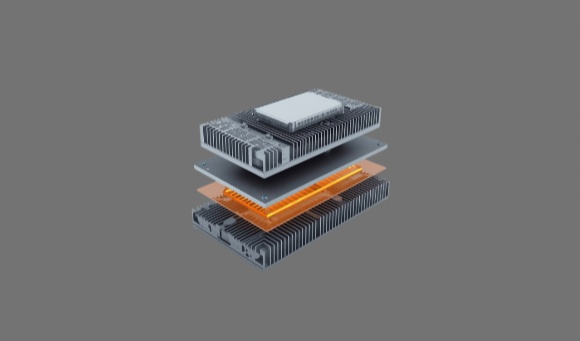
Thermal Interface Materials are substances that fill the microscopic gaps between two surfaces—usually between an LED light source and a heat sink or housing. Their primary purpose is to facilitate the transfer of heat from the LED to the cooling system, thereby reducing the temperature of the LED and its surrounding components.
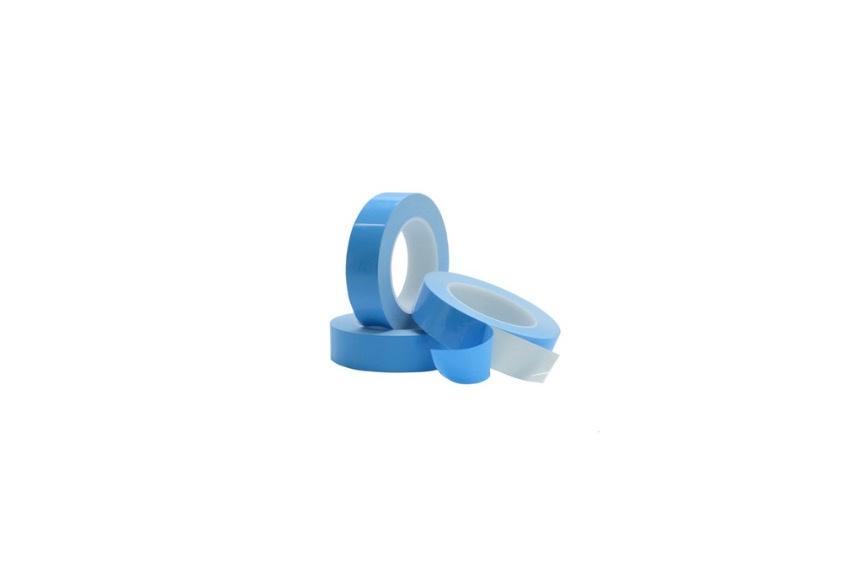
Common Types of TIMs Used in LED Lighting
Several types of TIMs are commonly used in LED systems, each offering different benefits depending on the specific application:
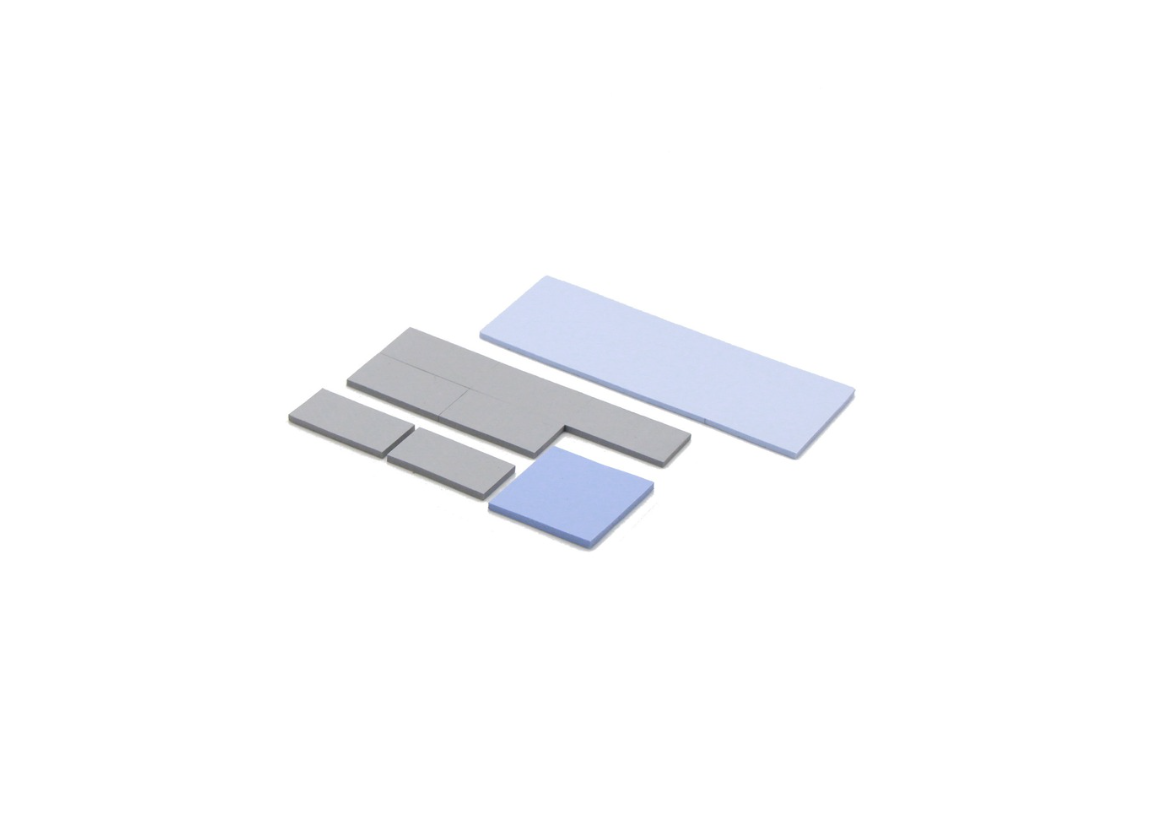
Thermal Pads: Soft, compressible materials that provide excellent thermal conductivity and are easy to apply.
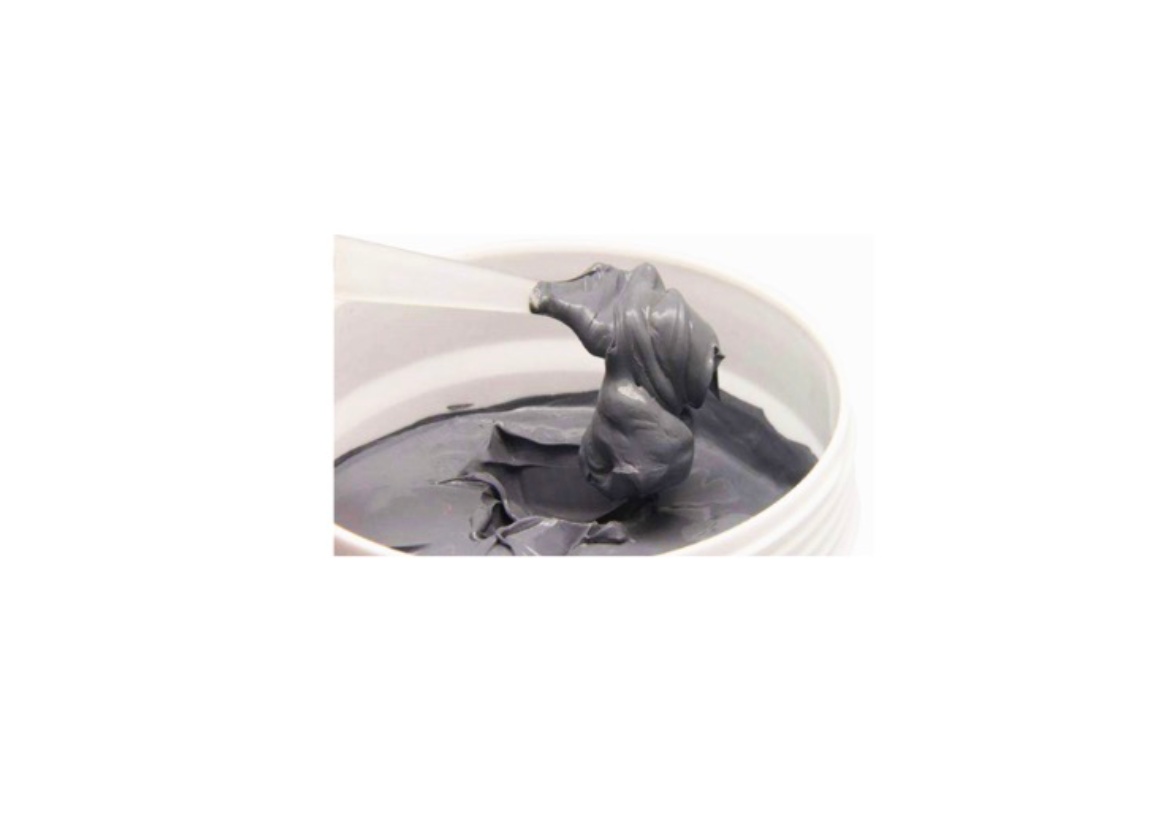
Thermal Pastes (Grease): A viscous substance that fills gaps between surfaces and ensures efficient heat transfer, typically offering higher performance than thermal pads.
Phase Change Materials (PCMs): Materials that change from solid to liquid as they heat up, providing enhanced thermal management through the phase change process.
Why Choosing the Right TIM is Crucial for LED Systems
Choosing the right TIM is vital because it directly influences the thermal resistance between the LED and heat sink, impacting the efficiency of heat dissipation. The wrong TIM can result in poor thermal contact, overheating, and ultimately, failure of the LED. Therefore, selecting a TIM that offers the right balance of thermal conductivity, durability, and ease of application is essential to maintaining the reliability of the entire system.
The Importance of Proper Thermal Management in LED Lighting
How Heat Affects LED Performance and Lifespan
LEDs are sensitive to temperature fluctuations. When an LED operates at higher temperatures, its performance degrades, and its lifespan shortens. Excessive heat can lead to color shifting, dimming, and eventually, failure of the LED. Managing heat through proper thermal management is crucial to preventing these issues and maintaining optimal performance throughout the lifespan of the lighting system.
Common Thermal Challenges in LED Lighting Systems
LED systems are often used in environments where space is limited, and cooling options are restricted. These conditions can lead to difficulties in heat dissipation. Some common challenges include:
Limited airflow: In confined spaces, heat can accumulate quickly.
Thermal resistance: Poor contact between surfaces or the wrong TIM can cause higher thermal resistance, reducing heat transfer efficiency.
Component variation: Differences in material properties between the LED and heat sink can further exacerbate thermal issues.
The Impact of Improper Thermal Management on Energy Efficiency and Failure Rates
Inadequate thermal management results in higher operating temperatures, which increase power consumption and decrease energy efficiency. Furthermore, improper thermal conditions can accelerate the failure rate of the LED, reducing the overall system’s reliability. Over time, this can lead to higher maintenance costs and reduced performance, both of which can be detrimental to the bottom line.
Best Practices for Selecting the Right TIM for LED Lighting
Factors to Consider When Selecting a TIM
When choosing a TIM for an LED system, several key factors should be considered to ensure optimal thermal performance:
Thermal Conductivity: The ability of the TIM to conduct heat away from the LED is crucial. A higher thermal conductivity ensures more effective heat transfer.
Mechanical Properties: The TIM should maintain its form and performance under pressure, especially when compressed between the LED and heat sink.
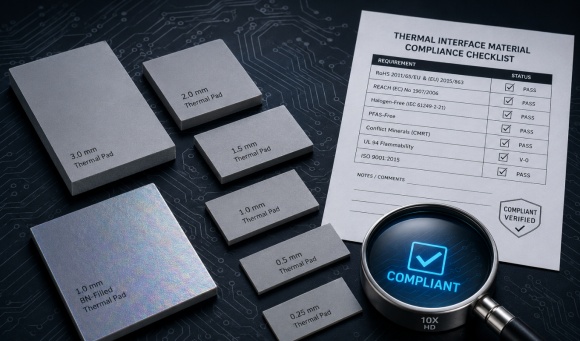
Compliance with Industry Standards: TIMs must meet relevant certifications and quality standards to ensure they are fit for use in specific applications, particularly in harsh environments.
Importance of Matching TIM Material Properties with LED Heat Sink and Housing Materials
The TIM should be compatible with both the LED and the heat sink material. A mismatch can lead to poor heat transfer and potential damage to components. For example, using a TIM with poor adhesion properties or high thermal resistance can reduce the effectiveness of the heat sink. Ensuring compatibility is essential for maintaining an efficient thermal path.
Cost vs. Performance Considerations
While it can be tempting to choose a less expensive TIM, it's important to weigh cost against performance. A low-cost TIM with poor thermal conductivity can result in increased energy consumption and a shorter lifespan for the LED system. Investing in a high-quality TIM may have a higher initial cost but will offer better long-term performance and reliability.
Proper Application Techniques for TIMs
How to Apply TIMs Effectively: Thickness, Coverage, and Uniformity
To maximize the effectiveness of a TIM, it must be applied correctly. Here are some key considerations:
Thickness: The TIM layer should be thin enough to avoid excessive thermal resistance but thick enough to fill any gaps. Too much TIM can reduce thermal performance, while too little can lead to air pockets and inadequate heat transfer.
Coverage: Ensure the TIM covers the entire surface area in contact with the LED and heat sink to prevent localized hotspots.
Uniformity: The application should be even to ensure consistent heat transfer across the entire surface.
Steps to Ensure Optimal Heat Transfer and Minimize Voids or Air Gaps
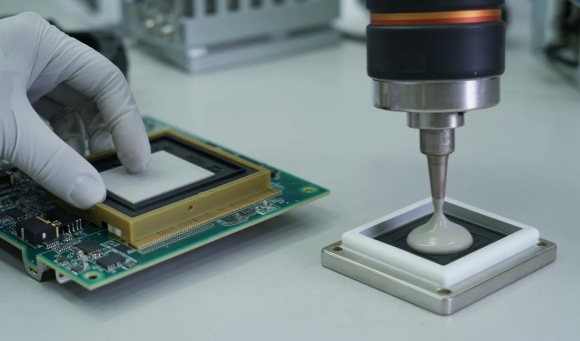
Minimizing air gaps is essential for effective heat dissipation. A uniform, thin layer of TIM will help reduce voids that could trap heat. Application methods, such as spreading the TIM evenly or using precision dispensers, can help achieve a consistent layer.
Common Mistakes to Avoid During Application
Excess TIM: Applying too much TIM can create unnecessary resistance and make the heat sink less effective. It can also cause leakage or mess when the parts are assembled.
Insufficient TIM: Applying too little TIM can leave gaps between the surfaces, leading to inefficient heat transfer and potentially damaging the LED.
Incorrect Tool Use: Using improper application tools or methods can result in uneven spreading or contamination of the TIM.
Environmental Considerations in LED Lighting Systems
The Impact of Environmental Factors on TIM Performance
LED lighting systems are often used in a wide range of environments, from outdoor spaces to industrial settings. Environmental factors such as temperature fluctuations, humidity, and vibration can significantly impact the performance of Thermal Interface Materials (TIMs). For example:
Temperature Fluctuations: Extreme temperature changes can cause TIMs to expand or contract, potentially leading to thermal fatigue or failure over time.
Humidity: Excess moisture can cause certain TIMs to degrade, reducing their effectiveness and leading to potential short circuits or corrosion in sensitive components.
Vibration: Vibration from machinery or vehicles can disrupt the adhesion between the TIM and the LED or heat sink, compromising heat transfer efficiency.
Choosing TIMs with the Right Durability for Specific Conditions
When selecting TIMs for different environments, it’s essential to choose materials that are designed to withstand specific conditions. For example:
Outdoor Lighting: TIMs used in outdoor applications must be resistant to UV degradation, moisture, and wide temperature variations. Silicone-based TIMs are often ideal for such conditions due to their excellent environmental stability.
Industrial Settings: For industrial environments that experience high levels of vibration or extreme temperatures, materials such as thermal gels or high-performance phase change materials may offer better durability and stability.
Testing and Evaluating TIM Performance in LED Systems
How to Test Thermal Performance After TIM Application
Once a TIM is applied, it’s important to evaluate its thermal performance to ensure it meets the required standards. Here are some common methods to assess TIM efficiency:
Thermal Imaging: Using infrared thermography can help identify hot spots, temperature distribution, and areas where the TIM may not be providing adequate heat transfer.
Temperature Monitoring: By using temperature sensors to monitor the LED’s operating temperature, engineers can ensure that the TIM is effectively maintaining the LED’s thermal management and preventing overheating.
Key Performance Indicators for TIMs in LED Systems
Some key performance indicators (KPIs) for TIMs include:
Thermal Resistance: Lower thermal resistance ensures efficient heat transfer from the LED to the heat sink.
Thermal Stability: A TIM must retain its thermal conductivity over time, even under extreme environmental conditions.
Adhesion Strength: Strong adhesion ensures the TIM stays in place, especially in environments with vibration or high movement.
Common Challenges and How to Overcome Them
Overcoming Issues Like TIM Degradation, Poor Adhesion, or Uneven Heat Distribution
Even the best TIMs can face challenges under certain conditions. Here’s how to tackle some common issues:
TIM Degradation: Over time, some TIMs can degrade due to heat cycling, humidity, or UV exposure. Choosing durable materials like silicone or high-quality phase change materials can reduce this risk.
Poor Adhesion: If the TIM doesn't adhere well to both the LED and heat sink, it can cause inefficient heat transfer. Ensuring the surfaces are clean and using a TIM with strong adhesive properties can help solve this issue.
Uneven Heat Distribution: Applying an excessive or insufficient amount of TIM can result in uneven heat dissipation. Ensuring an even, thin layer of TIM is applied can prevent this issue.
How to Troubleshoot Thermal Inefficiency in LED Systems
To troubleshoot thermal inefficiency, you can:
Inspect the TIM application for air gaps or inconsistencies in coverage.
Check the heat sink for blockages or inadequate contact with the TIM.
Test the system under various operating conditions to identify any thermal hotspots.
Conclusion
Recap of Key Points in Applying TIMs to LED Lighting Systems
Thermal management is a critical aspect of LED lighting systems, and choosing the right TIM is key to maintaining optimal performance and longevity. Proper application, environmental consideration, and thorough testing are essential to achieving efficient heat transfer.
Emphasis on the Long-Term Benefits of Proper TIM Selection and Application
By selecting the right TIM and applying it correctly, manufacturers can ensure that their LED lighting systems operate efficiently for years, providing improved energy savings and longer lifespan.
Final Recommendations for Achieving Optimal Thermal Management in LED Lighting
To optimize thermal performance in LED systems, choose high-quality TIMs that match the specific environmental conditions, apply them correctly, and regularly evaluate thermal performance. Following these best practices will lead to better system efficiency, reliability, and longevity.