Welcome to Taxo Tape
Are Thermal Pads Better Than Paste?
Introduction
Proper thermal control plays a vital role in ensuring that high-power electronics run efficiently and last longer. Whether it’s an LED driver, a battery module, or an inverter system, excess heat can reduce efficiency, damage components, and lead to costly failures over time.
To close tiny gaps between heat sources and heat sinks, manufacturers use thermal interface materials (TIMs) such as thermal pads and thermal paste. Both help transfer heat more efficiently than air, but they work differently and suit different design needs.
This guide explains how thermal pads and thermal paste differ, and which option might suit your project best.
What Are Thermal Pads?
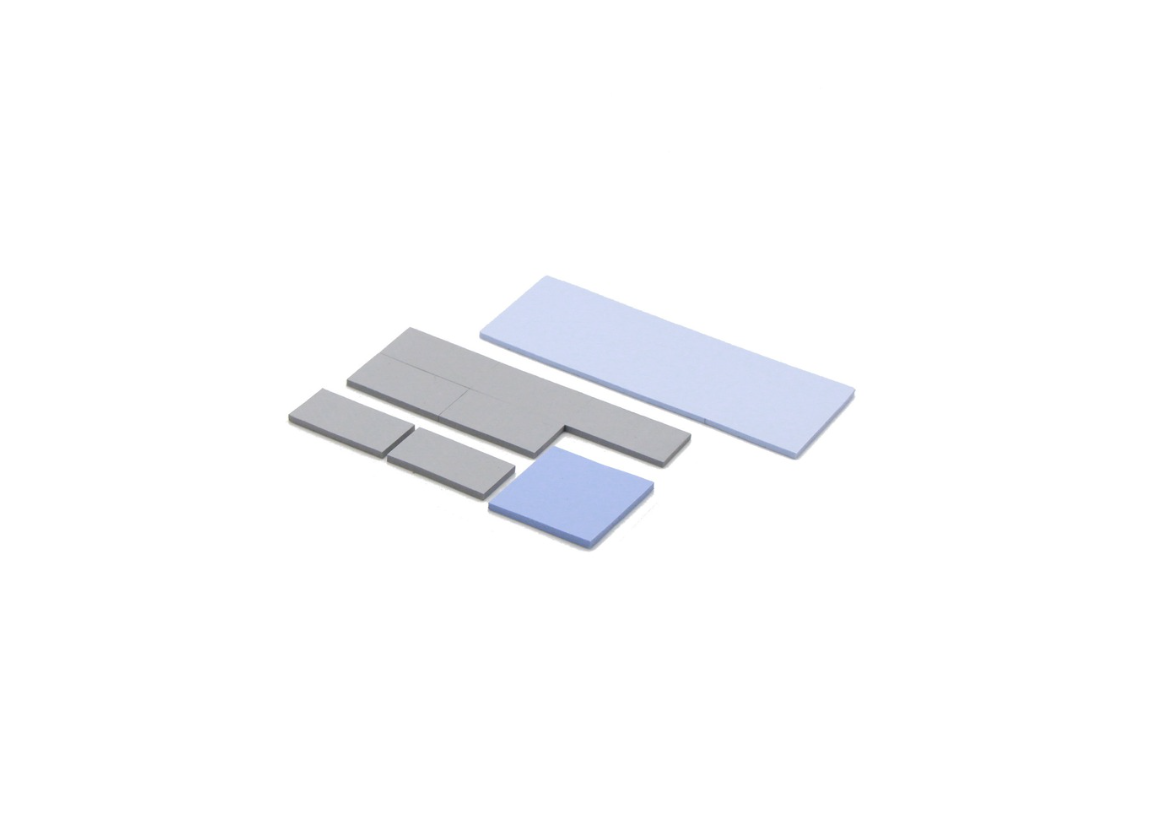
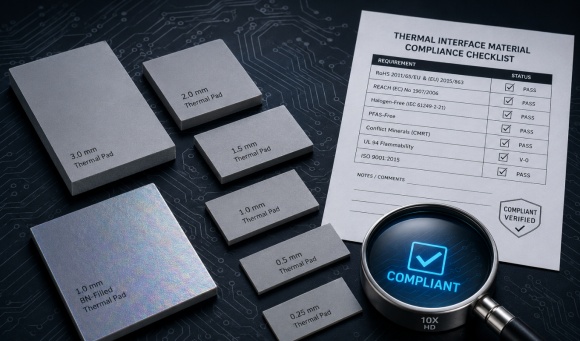
A thermal pad is a flexible, solid sheet typically made of silicone, graphite, or phase change materials (PCMs). It helps fill air gaps between heat-generating parts—like power modules—and heat sinks or casings.
Unlike thermal paste, thermal pads come in pre-cut shapes or rolls and are easy to handle during assembly. They offer consistent thickness and don’t require precise application tools. Some advanced pads include embedded phase change materials (PCMs) that improve thermal performance when the device heats up.
In high-power electronics, thermal pads are often used in LED drivers, battery modules, and inverter systems. They are ideal for situations where components have uneven surfaces or where assembly needs to be quick and clean without mess.
What Is Thermal Paste?
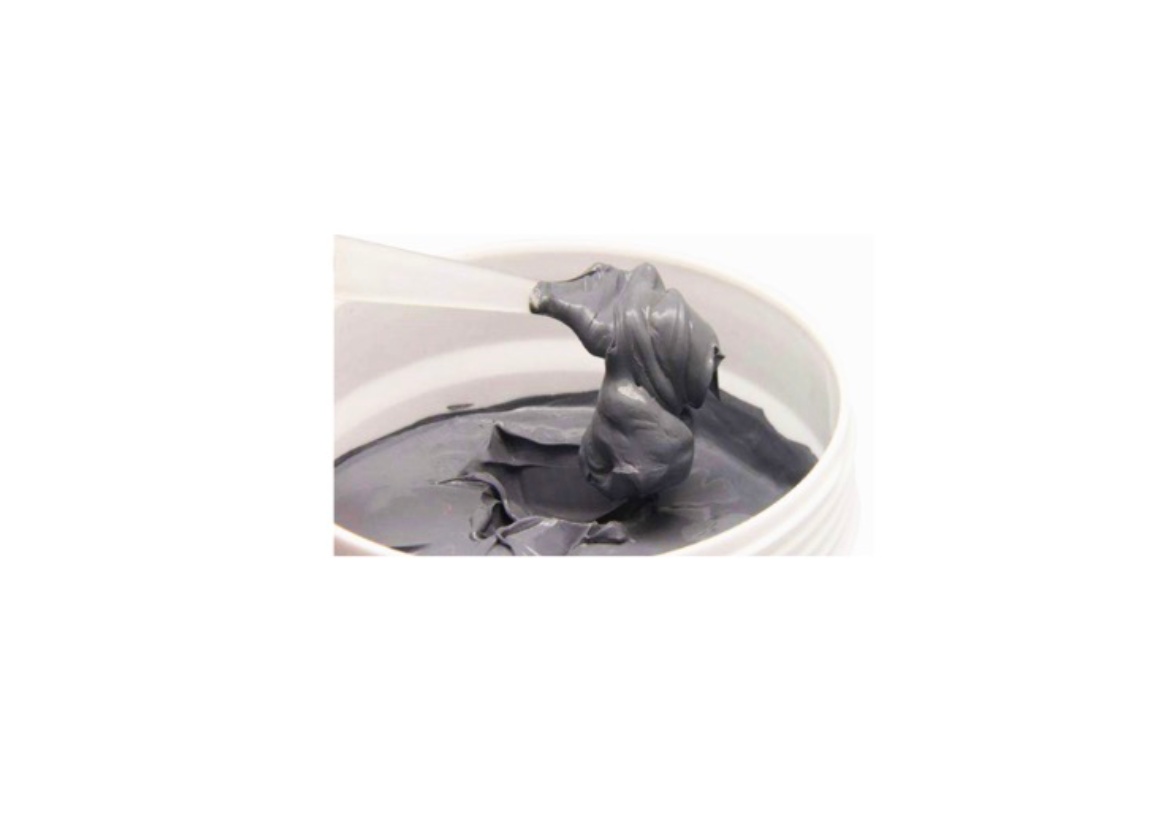
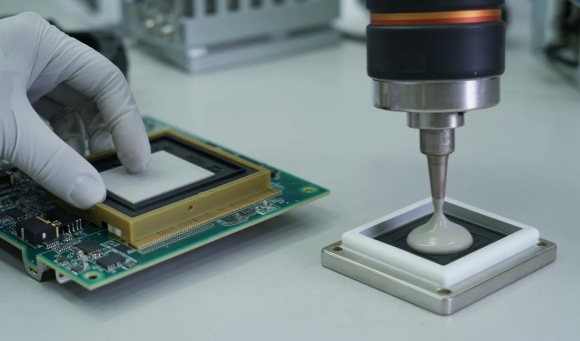
Also called thermal grease or compound, thermal paste is a viscous material designed to enhance heat transfer between contacting surfaces It is usually made from a base of silicone mixed with metal or ceramic particles to boost thermal conductivity.
Because it can flow and spread into tiny surface imperfections, thermal paste is excellent for applications that require maximum thermal contact with minimal thickness.
Typical uses include PCBA (Printed Circuit Board Assembly), CPU and GPU cooling, power modules, and other electronics where precise thermal connections are critical. Unlike thermal pads, thermal paste must be applied carefully and evenly, often during final assembly or maintenance.
Comparing Thermal Paste and Pads: Key Points
Installation
Ready-made thermal pads are easy to position and don’t need complex tools for installation. They simply need to be placed between components—no special tools or skills required. This makes pads well-suited for high-volume production lines and quick assembly needs. In contrast, applying paste demands care—an incorrect amount can lower thermal efficiency. However, paste allows reapplication during maintenance, which can be an advantage for certain designs.
Thermal Performance
In general, thermal paste offers higher thermal conductivity than standard thermal pads because it forms a thinner bond line and fills micro-gaps more completely. However, advanced thermal pads and phase change pads can also achieve excellent performance, especially where gaps are larger or surfaces are uneven.
Durability and Reliability
With repeated heating and cooling, thermal paste may dry or shift out of place, which can weaken its thermal connection over time. Thermal pads tend to have stable performance over longer periods and are less affected by vibration or expansion. This makes them suitable for devices that must run reliably for years without regular servicing.
Cost Factors
Thermal paste is often cheaper per unit than pads, but the total cost of ownership can be higher when you factor in application time, rework, and the need for skilled labor. Thermal pads cost more upfront but can save time during assembly and reduce installation errors, which is valuable for high-volume manufacturing.

Which Option Fits Best?
Deciding on pads or paste comes down to your design details, manufacturing flow, and how long you expect the material to perform reliably.
When to use thermal pads:
Pads are the best choice when you have uneven gaps, large surface areas, or when you need quick, clean assembly on production lines. For example, LED drivers or battery modules with multiple heat-generating parts often use pads to cover bigger gaps and irregular surfaces. Pads also help reduce the risk of mess and contamination during assembly.
When to use thermal paste:
Paste works best when tight contact and high precision are needed. If your design has very small gaps or you need the lowest possible thermal resistance, paste is usually the better option. It’s common in PCBA, CPU/GPU modules, and other high-performance parts that may require reapplication or upgrades during servicing.
When to Consider Hybrid Solutions
In some designs, combining pads and paste can deliver the best results. For example, a thermal pad can cover larger gaps while a small amount of paste fills micro-level voids on critical contact points.
Newer thermal interface materials like thermal gels and phase change materials (PCMs) also offer an alternative to traditional pads and paste. Thermal gels combine the easy application of paste with the gap-filling ability of pads, while PCMs change their state under heat to maximize thermal transfer.
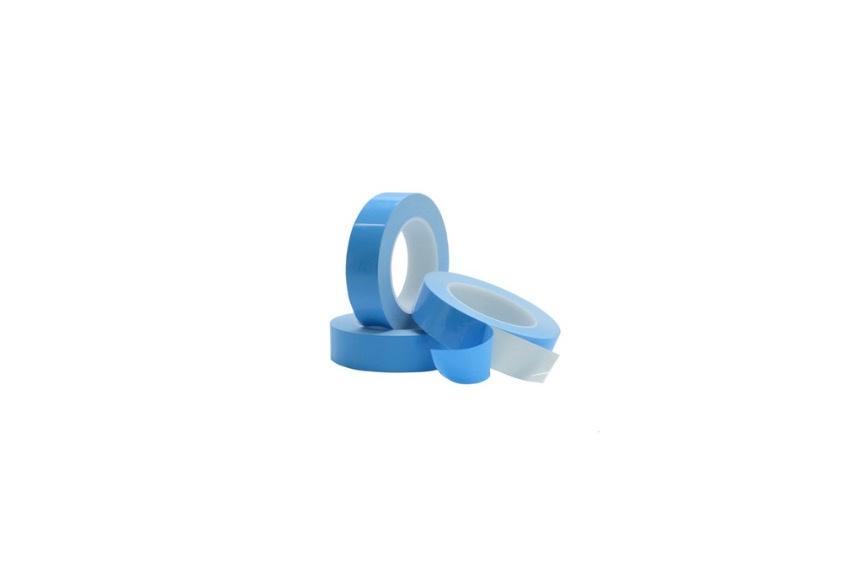
We offer a full range of solutions, including custom thermal pads, pastes, gels, double-sided thermal tapes, and advanced graphite films. By matching the right material to your design, you can achieve better heat dissipation, longer product life, and lower maintenance costs.
Final Notes
No single solution works for every project when comparing thermal pads and paste. The best choice always depends on your product design, thermal performance targets, and total cost considerations.
Using the right thermal interface material can improve your product’s reliability and efficiency while keeping manufacturing simple and clean. This is why partnering with an experienced supplier who knows your sector and provides tailored solutions makes all the difference.
Call to Action
If you’re looking for tailored thermal interface solutions for LED drivers, battery modules, inverters, or PCBA, we’re here to help.
Our specialists can help you select the most suitable material and provide free samples for eligible prototype runs. Reach out to us today to discuss your requirements — we’re ready to help you find the ideal thermal solution.