Welcome to Taxo Tape
What Are Thermal Interface Materials? A Guide for Engineers
What Are Thermal Interface Materials?
Even surfaces that look perfectly flat to the eye are rough at the microscopic level. When two components come together — a chip and a heat sink, a battery cell and a cooling plate — that roughness leaves countless tiny air gaps at the contact point. Air is a poor thermal conductor, so those gaps become the weakest link in an otherwise well-designed thermal path.
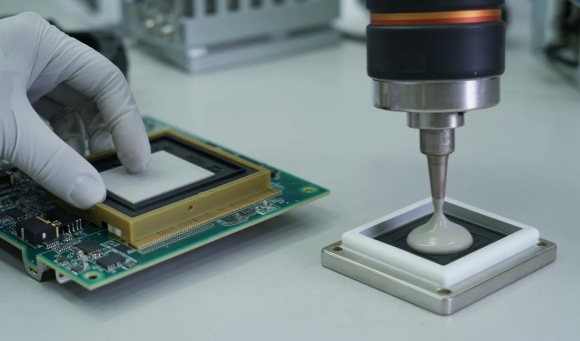
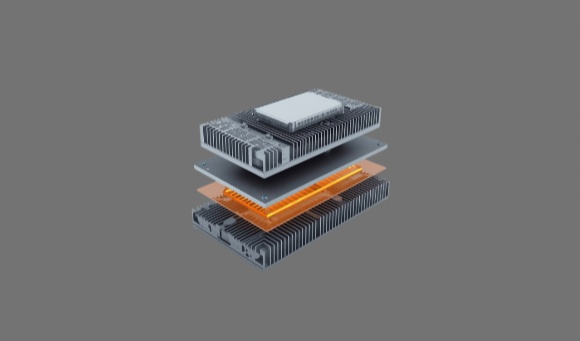
A thermal interface material, or TIM, is engineered specifically to eliminate that weak link. Placed between two mating surfaces, it fills the microscopic gaps that direct contact alone can't close, creating a continuous path for heat to move from a component to whatever is meant to carry that heat away — a heat sink, a cooling plate, an enclosure wall. The result is lower thermal resistance at the interface and more effective heat transfer overall.
Why TIMs Matter: The Cost of Getting Thermal Management Wrong
As electronic systems pack more power into smaller spaces, the margin for thermal error keeps shrinking. A component running a few degrees hotter than intended doesn't always fail outright — but it ages faster, performs less predictably, and pushes Mean Time Between Failures (MTBF) in the wrong direction. Over a product's service life, that gradual effect tends to matter more than any single dramatic failure.
TIM selection sits at the center of this problem because it's one of the few thermal design decisions made directly at the assembly stage, rather than being fixed by chip design or system architecture. Get it right, and a design can meet its thermal targets without resorting to oversized heat sinks or additional forced air cooling. Get it wrong, and even a well-designed cooling system underperforms — because the interface between components and that cooling system was never given adequate attention.
The Main Types of TIMs at a Glance
There's no single best TIM — each type trades off differently between conductivity, mechanical compliance, and ease of assembly.
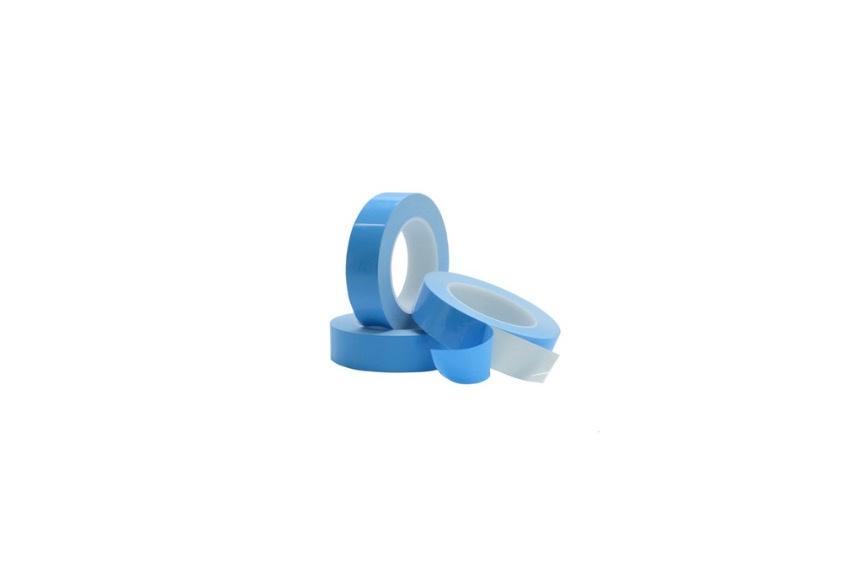
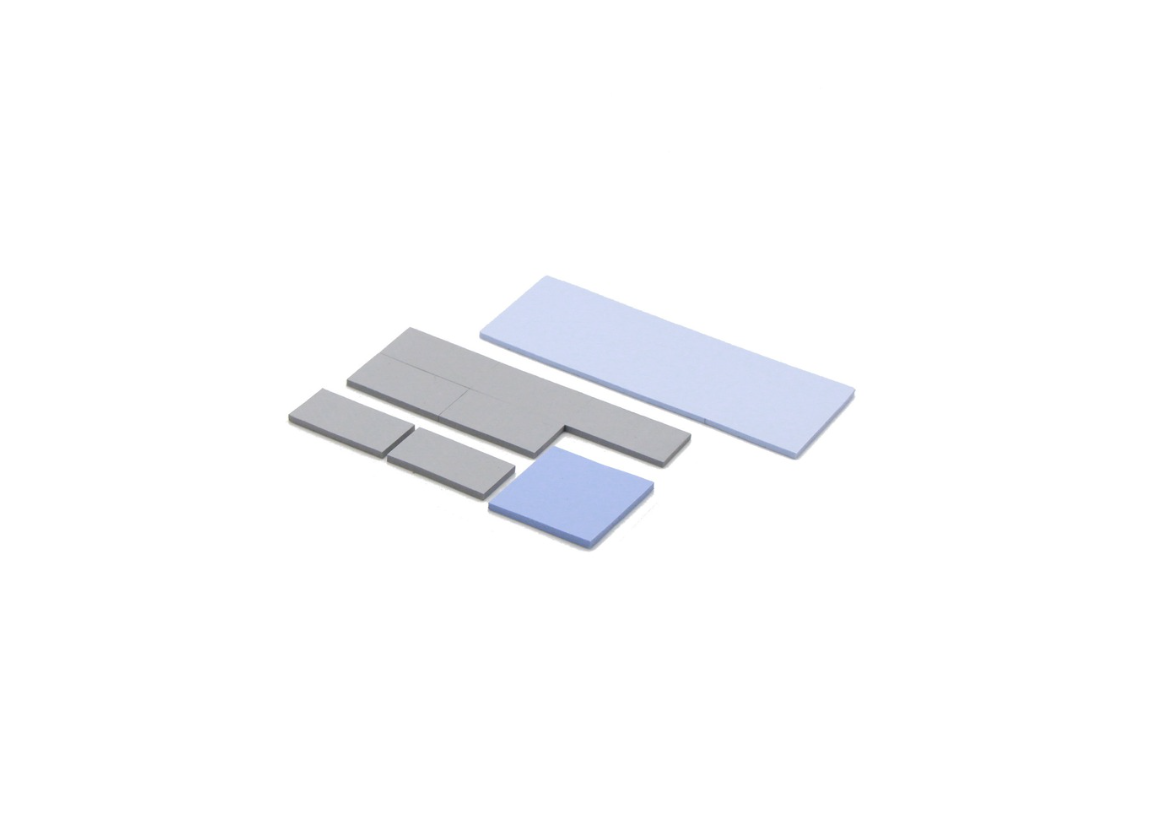
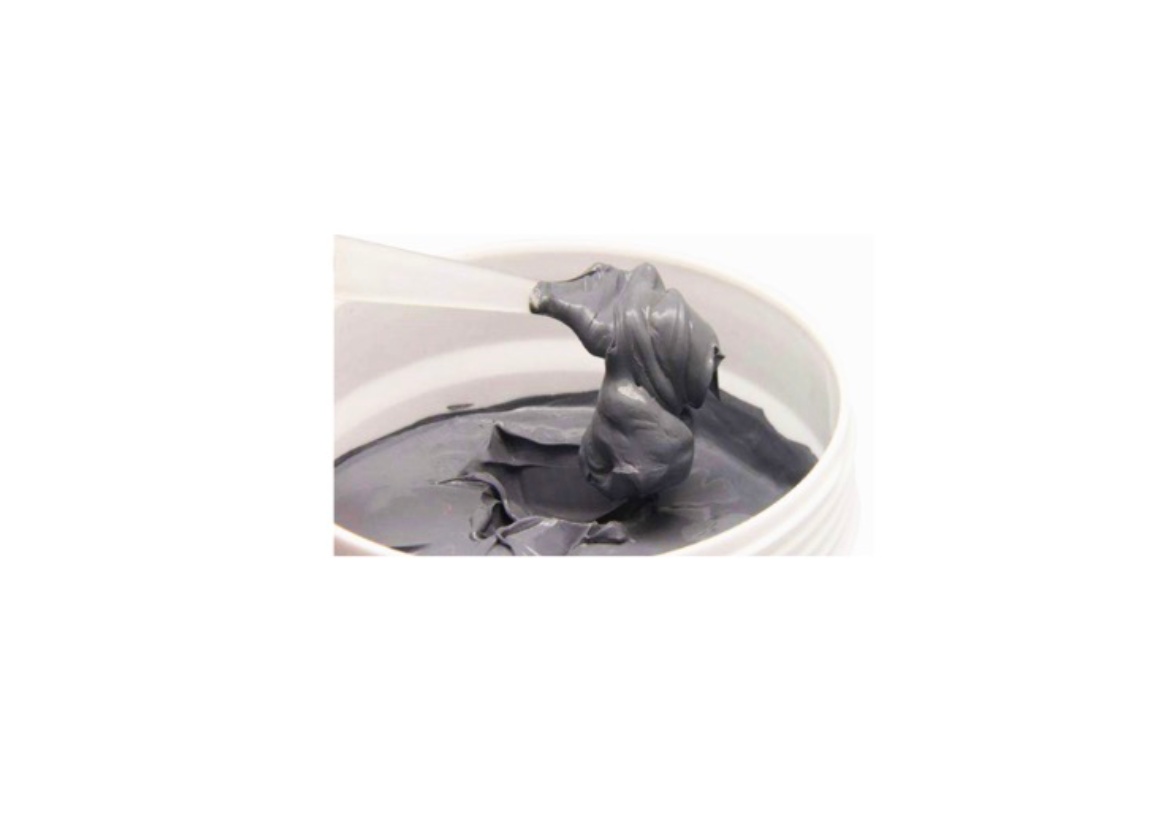
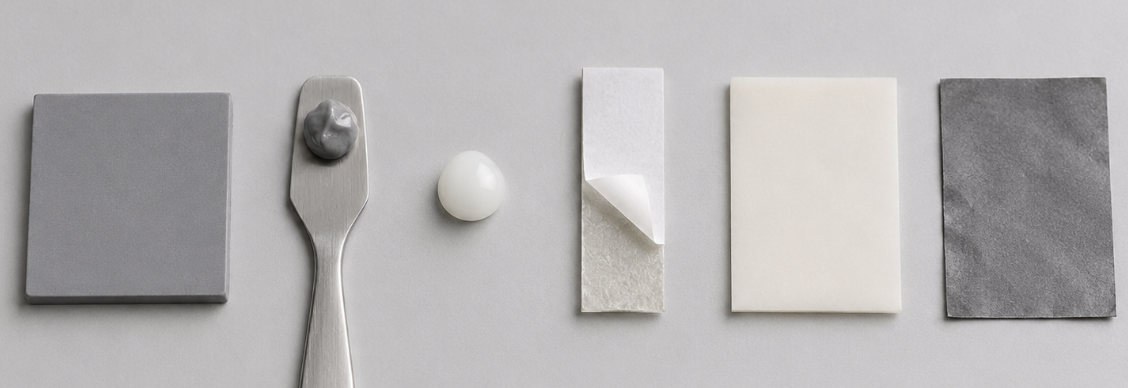
Thermal pads are soft, compressible sheets that conform well under pressure, making them a common choice for gap-filling applications with some dimensional tolerance. Thermal grease or paste achieves very thin bond lines and strong initial surface contact, though it requires careful process control and isn't always well suited to automated high-volume lines. Thermal gels combine much of grease's conformability with better dispensing behavior, making them a common choice for automated production. Thermal adhesive tapes bond components structurally while also conducting heat, useful where mechanical fasteners aren't practical. Phase change materials stay solid at room temperature but soften at operating temperature, improving surface contact once the system is running. Graphite sheets spread heat laterally rather than through their thickness, which makes them useful for moving heat away from a hot spot rather than serving as the primary interface material.
Each of these categories covers a range of formulations and performance levels — a detailed comparison of how they stack up against each other is covered in Top 5 Thermal Interface Materials for EV & ESS Batteries and Phase Change Materials vs. Thermal Grease.
How to Think About TIM Selection
Choosing a TIM comes down to a handful of questions that apply across nearly every application. Thermal conductivity matters, but it should be matched to the actual thermal load rather than maximized for its own sake — a material with excellent surface conformity often outperforms a higher-conductivity material that doesn't make full contact. Thickness and compression requirements differ by application: gap-filling calls for softer, thicker materials like pads or gels, while tightly assembled components favor thinner options like paste or PCM. Electrical insulation becomes a hard requirement wherever the TIM sits across a voltage boundary, which rules out otherwise well-performing materials that lack dielectric properties. And production volume and application method shape which materials are practical — dispensable gels and pre-cut pads suit automated lines, while grease and tape offer more flexibility for prototyping or manual assembly.
These questions apply broadly, but the right answer depends heavily on the specific application — see How to Select Thermal Interface Materials for Power Inverter Designs for a worked example of this selection process in a specific context.
Common Misconceptions
A few assumptions about TIMs persist despite being unreliable guides to actual performance.
"Higher thermal conductivity is always better." Conductivity is one input among several — bond line thickness, surface roughness, and how well the material conforms under compression often matter more to real-world thermal resistance than the number on a datasheet. A lower-conductivity material with excellent surface contact can outperform a higher-conductivity one that doesn't fill the interface completely.
"One product fits all applications." Different designs bring different mechanical stresses, gap sizes, and mounting pressures, and a material that performs well in one context can be the wrong choice in another — regardless of how strong its specifications look in isolation.
"TIMs are only necessary for extreme heat." Even systems that never approach thermal limits benefit from proper TIM selection, since gradual heat buildup at moderate levels still shortens component life and shifts performance over time. Thermal management isn't a concern reserved for the most demanding applications — it affects long-term reliability across the board.
Where TIMs Are Used
TIM selection logic looks a little different depending on the application, though the underlying principles stay the same.
LED drivers and lighting systems typically call for thermal pads or PCM to fill the gap between the board and heat sink while providing electrical insulation — see Thermal Interface Materials for LED Drivers for the specific parameters that matter in these designs. Battery packs commonly use thermal pads or adhesive tapes to bond cells while maintaining safe heat dissipation across the pack — covered in more depth in Thermal Interface Materials in Battery Thermal Management. Power inverters often favor thermal gels for their compliance and long-term reliability under sustained load, a topic explored further in How to Select Thermal Interface Materials for Power Inverter Designs. PCBA and EMS projects may call for thermal paste or graphite sheets depending on board layout and component density, particularly in compact, high-density designs where space for a thicker interface material isn't available.
Emerging Trends
TIM formulations continue to evolve alongside the electronics they support. There's growing demand for softer, low-stress materials that reduce mechanical strain on delicate components during thermal cycling, particularly in advanced PCBs and sensor assemblies. Designers are also pushing toward thinner bond lines, which requires materials with better surface wetting behavior to maintain low thermal resistance without adding thickness or cost.
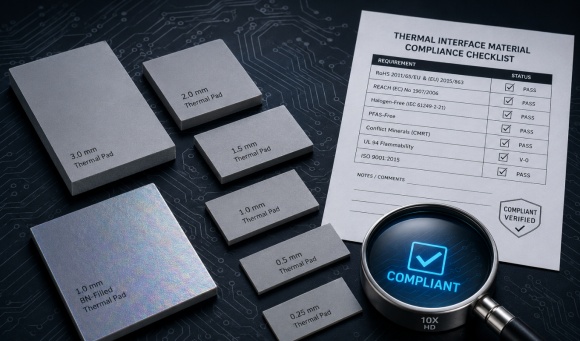
Environmental compliance has become a baseline expectation rather than a differentiator — RoHS and REACH-compliant, halogen-free, low-VOC formulations are increasingly standard across the industry. And as production shifts further toward automation, demand continues to grow for automation-friendly formats: dispensable gels, custom die-cut pads, and tapes designed to reduce labor time and placement variability on high-volume lines.
A Starting Point for Your TIM Research
This guide is meant as a starting point, not the full picture — TIM selection gets more specific the moment you're working with an actual application, and the details that matter most tend to be application-specific rather than universal.
A few places to go deeper depending on what you're working on: Common TIM Application Mistakes in Power Electronics covers the selection errors that show up most often in the field, Phase Change Materials vs. Thermal Grease and Silicone-Based vs. Non-Silicone TIMs walk through direct comparisons between material types, and Thermal Aging and Pump-Out in Thermal Grease Applications covers what happens to grease-based TIMs over a multi-year service life. — a consideration that matters more than initial performance data alone for long-lifecycle applications.
Working with a TIM Supplier
Getting useful guidance from a TIM supplier starts with having your application parameters defined before that first conversation. At minimum, it helps to know your gap dimension and tolerance, the operating temperature range your design needs to cover, whether electrical isolation is required at the interface, and your expected production volume and application method.
With that information in hand, a supplier can typically narrow the field to two or three specific material grades worth evaluating, rather than sending a generic sample kit that requires internal screening to sort through. How to Validate a TIM Supplier covers this qualification process in more detail, including what technical documentation to request and how to structure a sample evaluation sequence.
FAQ
Q: What's the difference between thermal paste and a thermal pad?
Thermal paste is a flowable compound that achieves very thin bond lines and strong initial contact, but it requires careful application and isn't reworkable once applied. A thermal pad is a solid, pre-formed sheet that's easier to handle and position consistently, though it typically results in a somewhat thicker bond line than paste. The right choice depends on your gap size, assembly process, and whether rework capability matters for your application.
Q: Do I need a TIM if my components aren't running especially hot?
Generally yes. TIM selection isn't only about preventing extreme overheating — even moderate, sustained heat buildup affects component life and long-term performance stability. The thermal margin a good TIM provides tends to matter over the full service life of a product, not just at peak load conditions.
Q: Can I select a TIM based on its thermal conductivity rating alone?
Not reliably. Conductivity is one factor among several — surface conformity, bond line thickness, and how well the material compresses against your specific mating surfaces often have a bigger effect on actual thermal resistance than the conductivity number by itself. A full evaluation should account for how the material performs in your specific assembly, not just its datasheet specification.
Conclusion
Thermal interface materials are a small part of any electronic system by volume, but they have an outsized effect on reliability, performance, and cost of ownership over a product's lifespan. For engineers and procurement teams evaluating options, the material that looks best on a datasheet isn't always the one that performs best in your specific assembly — actual surface contact, bond line thickness, and long-term stability under your operating conditions matter as much as the headline conductivity number.
Testing under representative conditions, rather than relying solely on datasheet values, remains the most reliable way to confirm a TIM will perform as expected once it's in production. From here, the guides linked throughout this article go deeper into the specific applications and comparisons most relevant to your design.
Contact TaxoTape® to discuss TIM selection for your application →