Welcome to Taxo Tape
A Comprehensive Guide to Thermal Management Systems
Introduction: Understanding Thermal Management Systems
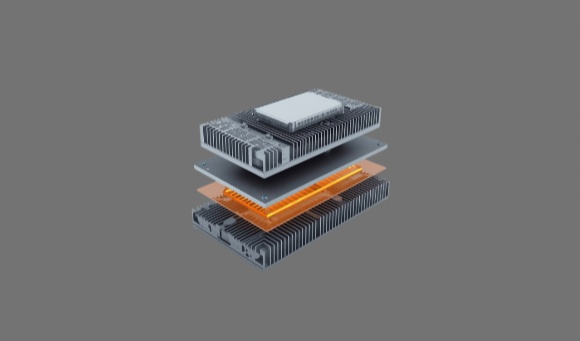
A thermal management system is the collective set of strategies, components, and materials designed to regulate and control the temperature of electronic or mechanical assemblies. Its purpose is to keep devices operating within safe thermal limits, ensuring they perform reliably over their intended lifespan. In electronics, this involves not only dissipating excess heat but also preventing uneven temperature distribution that can lead to localized failures.
Temperature control is vital across both electronics and industrial applications. In high-power electronics—such as LED drivers, battery packs, or inverters—excess heat can degrade performance, shorten component life, and increase safety risks. In industrial machinery, poor heat control can cause mechanical wear, lubricant breakdown, or even complete system shutdowns.
A well-designed thermal management system influences far more than just temperature—it impacts performance, by allowing components to function at optimal efficiency; safety, by preventing dangerous overheating; and lifecycle cost, by reducing maintenance needs, downtime, and premature replacement of parts.
Fundamentals of Heat in Electronics
All electronic devices generate heat when electrical energy is converted into other forms during operation, primarily due to resistive losses in conductive paths and semiconductor junctions. In processors, LEDs, battery cells, and power modules, this heat is a natural byproduct of current flow, switching activity, and even chemical reactions in energy storage systems.
Heat moves through three main mechanisms:
Conduction – Direct transfer of heat through solid materials, such as from a semiconductor to its heat sink.
Convection – Heat carried away by a moving fluid, typically air or liquid coolants.
Radiation – Emission of thermal energy as electromagnetic waves, which can be significant at higher temperatures.
Modern product designs intensify these thermal challenges. As devices become smaller and more powerful, the same or greater amount of heat is concentrated into tighter spaces. This higher power density limits the available surface area for heat dissipation, increasing the need for advanced materials and smarter thermal designs to maintain stable operating conditions.
Core Components of a Thermal Management System
Effective thermal management begins with understanding the heat sources within a device. Common culprits include semiconductors, which can generate significant heat under high loads; batteries, particularly in electric vehicles and portable electronics; LED modules, which lose efficiency as temperatures rise; and power modules, which drive heavy currents.
Once heat is generated, it follows specific transfer paths—through circuit boards, enclosures, and connecting components—often encountering barriers such as low-conductivity materials, air gaps, or mechanical interfaces. Managing these paths requires a strategic approach to ensure heat flows toward a cooling mechanism rather than accumulating in sensitive areas.
The final stage involves cooling elements and supporting materials. These can range from thermal interface materials (TIMs) that reduce resistance between surfaces, to heat spreaders and phase change materials that stabilize temperatures. Each component plays a role in keeping devices within safe operating limits.
Types of Thermal Management Systems
Passive Cooling Systems
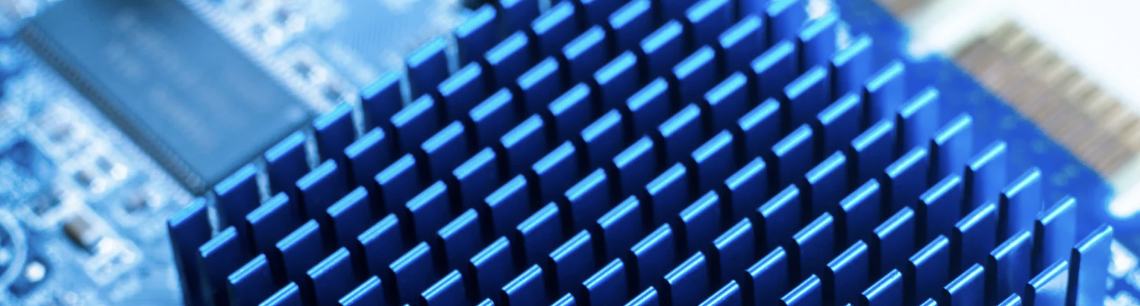
Passive cooling relies on design and material properties rather than powered components. Examples include heat sinks that draw heat away from chips, thermal spreaders that distribute heat evenly across a surface, and optimized chassis designs that naturally encourage airflow. These solutions are low-maintenance and energy-efficient but may have limitations in high-power applications.
Active Cooling Systems
Active cooling uses powered elements to accelerate heat removal. Fans increase airflow across hot surfaces, liquid cooling systems transfer heat through circulating fluids, and thermoelectric coolers (Peltier devices) provide precise temperature control. While highly effective, active systems add complexity, require energy input, and may need more maintenance.
Hybrid Systems
Many modern designs combine passive and active methods for optimal results. For instance, a high-performance inverter might use a heat sink (passive) alongside a fan (active) to handle both steady and peak loads. Hybrid systems balance efficiency, reliability, and performance, making them common in demanding applications.
Types of Thermal Management Systems
Passive Cooling Systems
Passive cooling relies on design and material properties rather than powered components. Examples include heat sinks that draw heat away from chips, thermal spreaders that distribute heat evenly across a surface, and optimized chassis designs that naturally encourage airflow. These solutions are low-maintenance and energy-efficient but may have limitations in high-power applications.
Active Cooling Systems
Active cooling uses powered elements to accelerate heat removal. Fans increase airflow across hot surfaces, liquid cooling systems transfer heat through circulating fluids, and thermoelectric coolers (Peltier devices) provide precise temperature control. While highly effective, active systems add complexity, require energy input, and may need more maintenance.
Hybrid Systems
Many modern designs combine passive and active methods for optimal results. For instance, a high-performance inverter might use a heat sink (passive) alongside a fan (active) to handle both steady and peak loads. Hybrid systems balance efficiency, reliability, and performance, making them common in demanding applications.
Role of Thermal Interface Materials (TIMs)
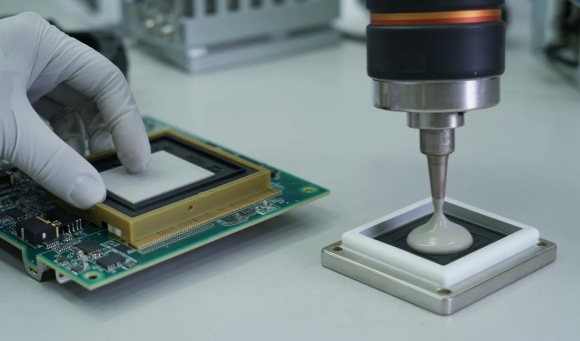
Thermal Interface Materials (TIMs) are essential components in any thermal management system, bridging the microscopic gaps between heat-generating components and heat-dissipating surfaces. Without TIMs, air pockets and uneven contact can significantly increase thermal resistance, leading to overheating and reduced device performance.
Common TIM types include:
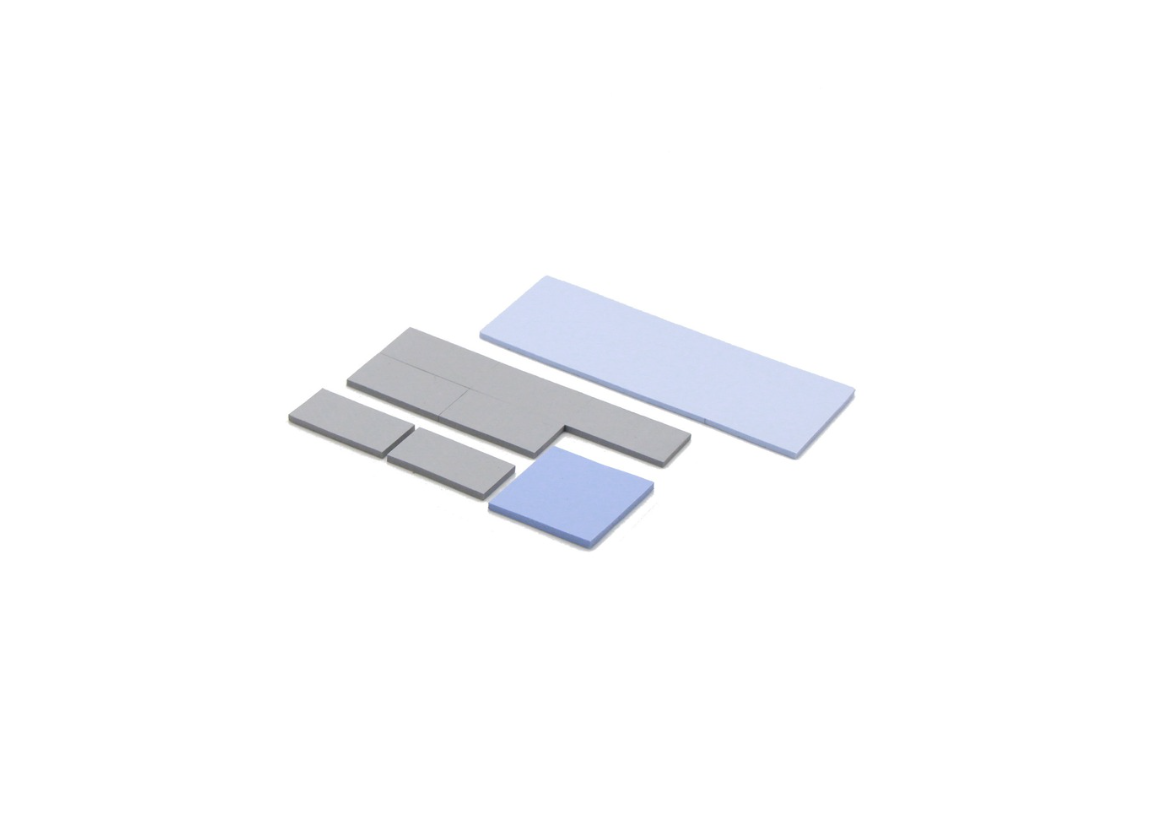
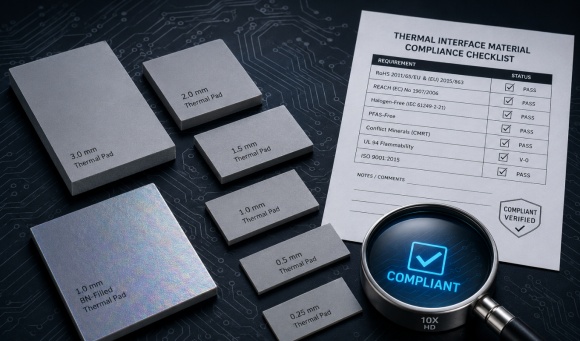
Thermal pads – easy to apply, ideal for mass production and moderate heat transfer needs.
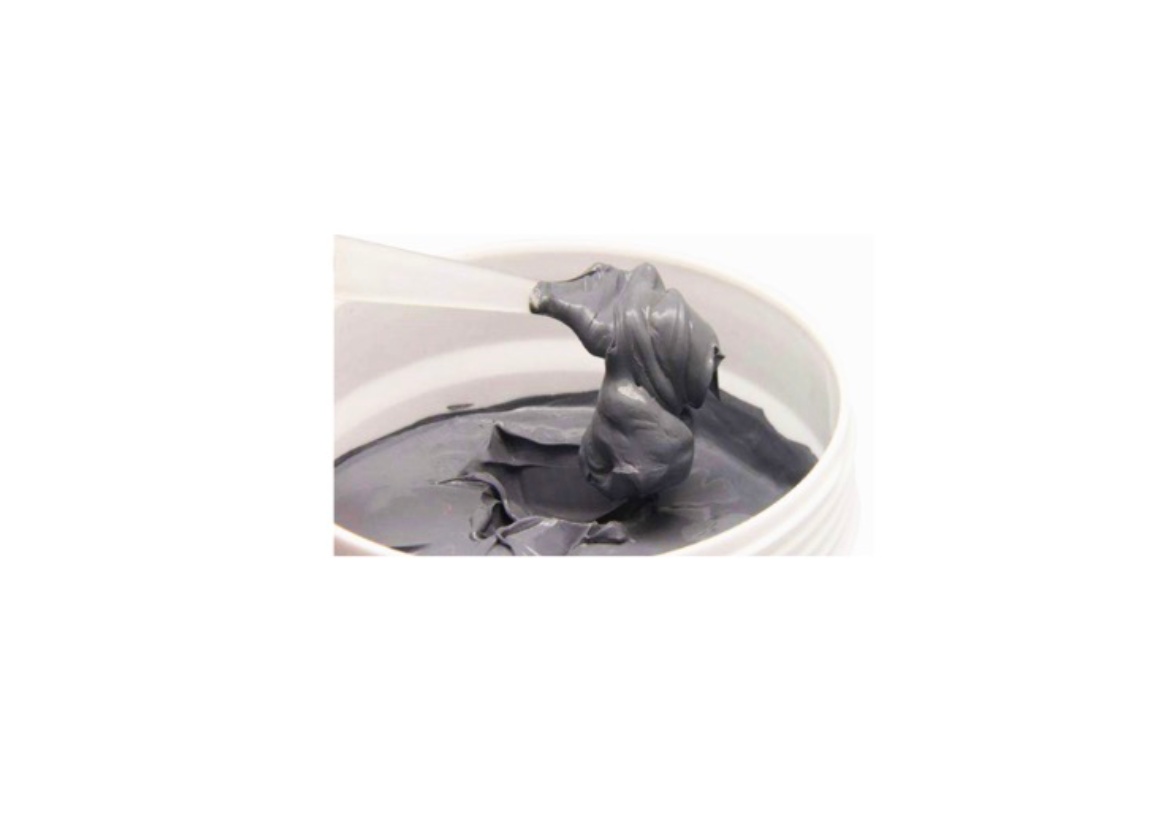
Thermal greases and pastes – high thermal conductivity, suitable for irregular surfaces but require careful application.
Thermal gels – conformable and reworkable, used in applications requiring serviceability.
Phase change materials (PCMs) – solid at room temperature, become highly conductive when heated, offering consistent performance over time.
Graphite sheets – excellent lateral heat spreading in compact devices.
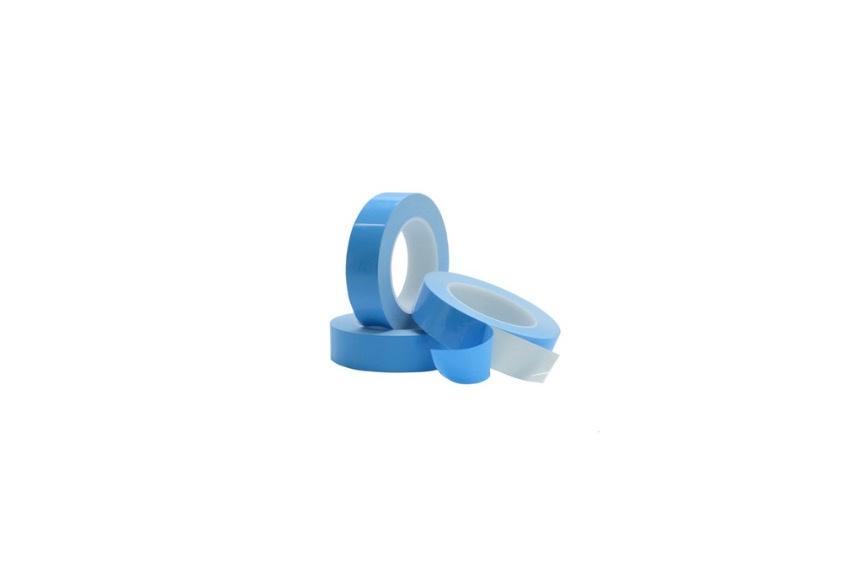
Thermally conductive tapes – combine bonding strength with heat transfer, useful in lightweight or vibration-prone designs.
Selecting the right TIM depends on factors such as thermal conductivity, compressibility, ease of assembly, rework requirements, and environmental durability. Matching the material to the device’s specific thermal and mechanical needs is critical for optimal results.
Industry Applications of Thermal Management Systems
Thermal management systems are deployed across multiple industries to ensure reliability, efficiency, and longevity:
LED Lighting
High-power LEDs generate significant heat, which must be dissipated to maintain brightness, color stability, and lifespan. TIMs and heat sinks are often paired to achieve efficient cooling.
Battery Packs & EV Modules
Lithium-ion batteries are sensitive to temperature extremes; precise thermal control prevents capacity loss, extends lifespan, and improves safety. Advanced cooling systems and TIMs help regulate cell temperatures during charging and discharge.
Power Inverters & Converters
High-frequency switching and large current flows generate concentrated heat. Effective thermal solutions keep power electronics operating within safe limits.
Industrial Control Systems & Automation
Controllers, drives, and PLCs require stable operation in demanding environments; thermal solutions prevent downtime and ensure compliance with safety standards.
Consumer Electronics & Wearables
Compact devices demand lightweight, flexible materials to maintain comfort, performance, and safety without adding bulk.
Emerging Trends and Innovations
Thermal management is evolving alongside advancements in materials science, electronics miniaturization, and sustainability goals. Next-generation TIMs are leveraging high-conductivity fillers and advanced composites to achieve better heat transfer while maintaining electrical insulation and mechanical flexibility. AI-driven thermal simulations are enabling engineers to optimize heat dissipation strategies before prototypes are built, saving both time and cost. Lightweight, flexible materials are opening possibilities for compact, wearable, and portable electronics where traditional solutions may be too bulky. In addition, eco-friendly initiatives are driving the use of recyclable substrates and low-VOC adhesives, ensuring thermal performance without compromising environmental responsibility.
Best Practices for Designing an Effective Thermal Management System
A high-performance thermal management system starts with early-stage thermal planning during product design. Waiting until late development can limit options and increase redesign costs. While thermal conductivity is important, material selection should also consider mechanical compliance, dielectric strength, chemical resistance, and ease of assembly. For high-reliability applications, real-world testing under varied operating conditions—such as fluctuating loads, high humidity, or vibration—is critical to ensure long-term stability. A combination of simulation, material science expertise, and practical validation leads to the most robust and cost-effective thermal solutions.
Conclusion: The Path to Reliable, Long-Lasting Systems
Thermal management is more than just keeping components cool—it’s about safeguarding performance, safety, and product lifespan. By understanding heat generation, selecting the right materials, and integrating solutions early in the design process, engineers can create systems that run efficiently and reliably for years. Companies that take a proactive approach to thermal design gain a competitive advantage, avoiding costly failures and delivering higher customer satisfaction. For projects requiring tailored solutions, collaborating with a thermal materials specialist ensures the best balance between performance, cost, and sustainability.